

TJ Norris
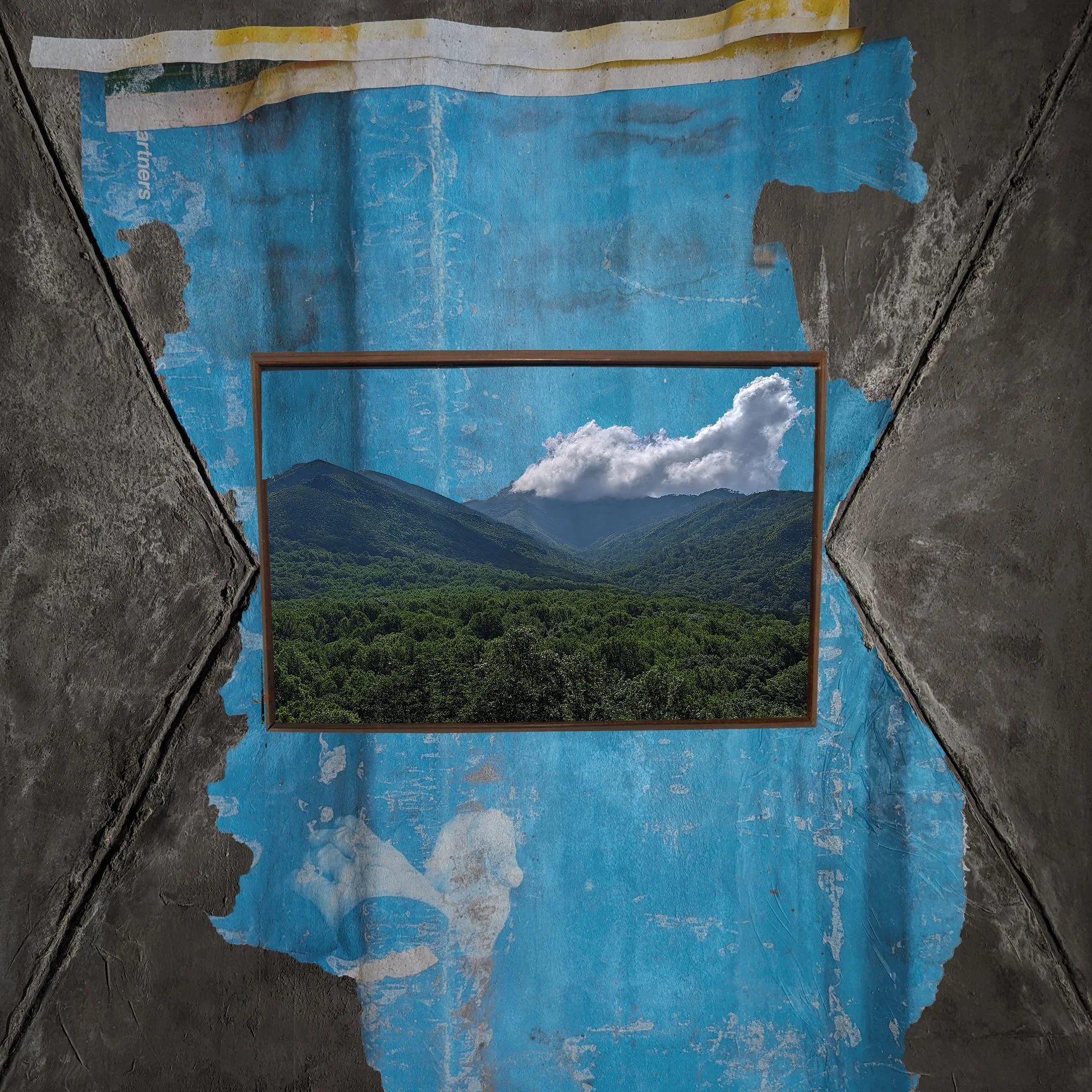
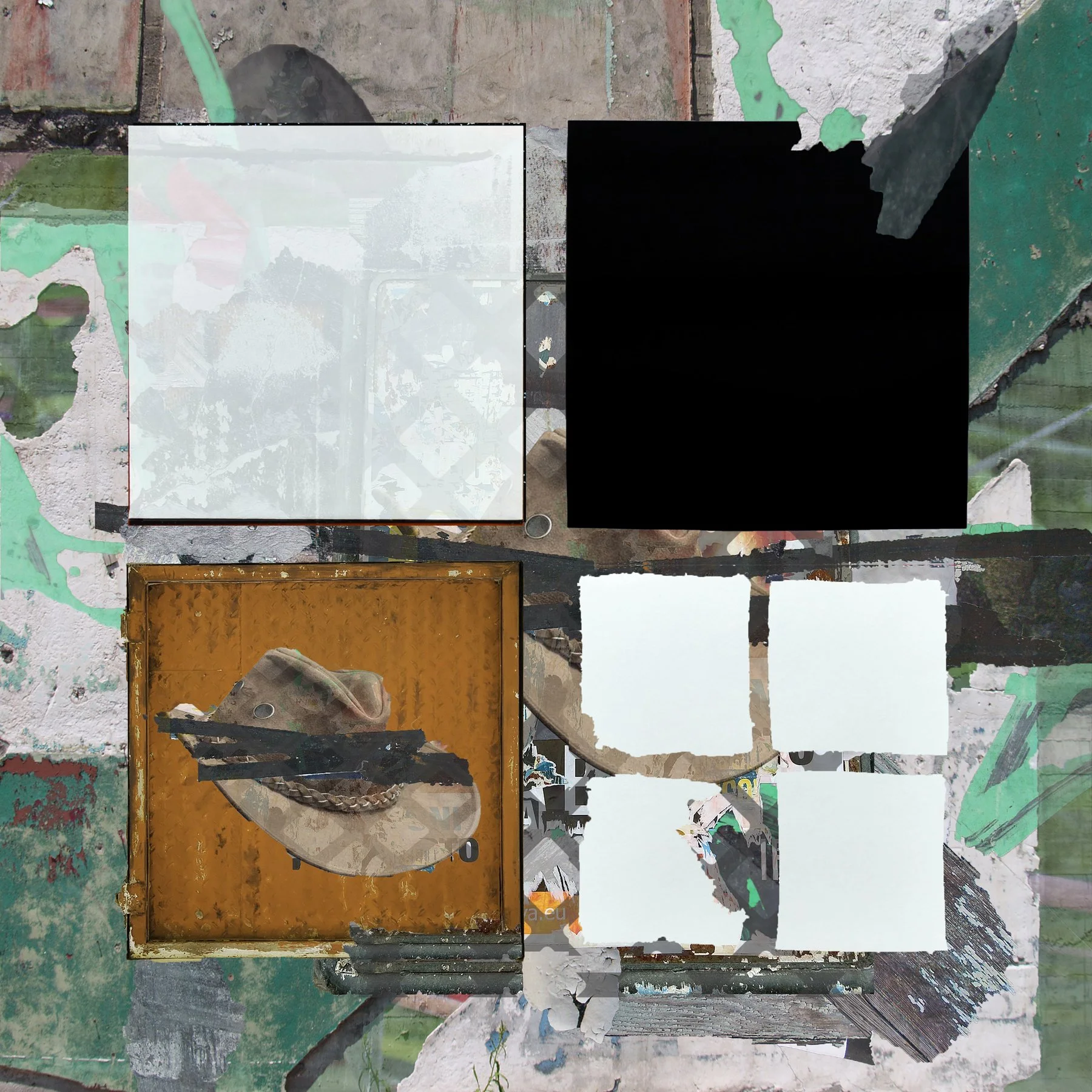
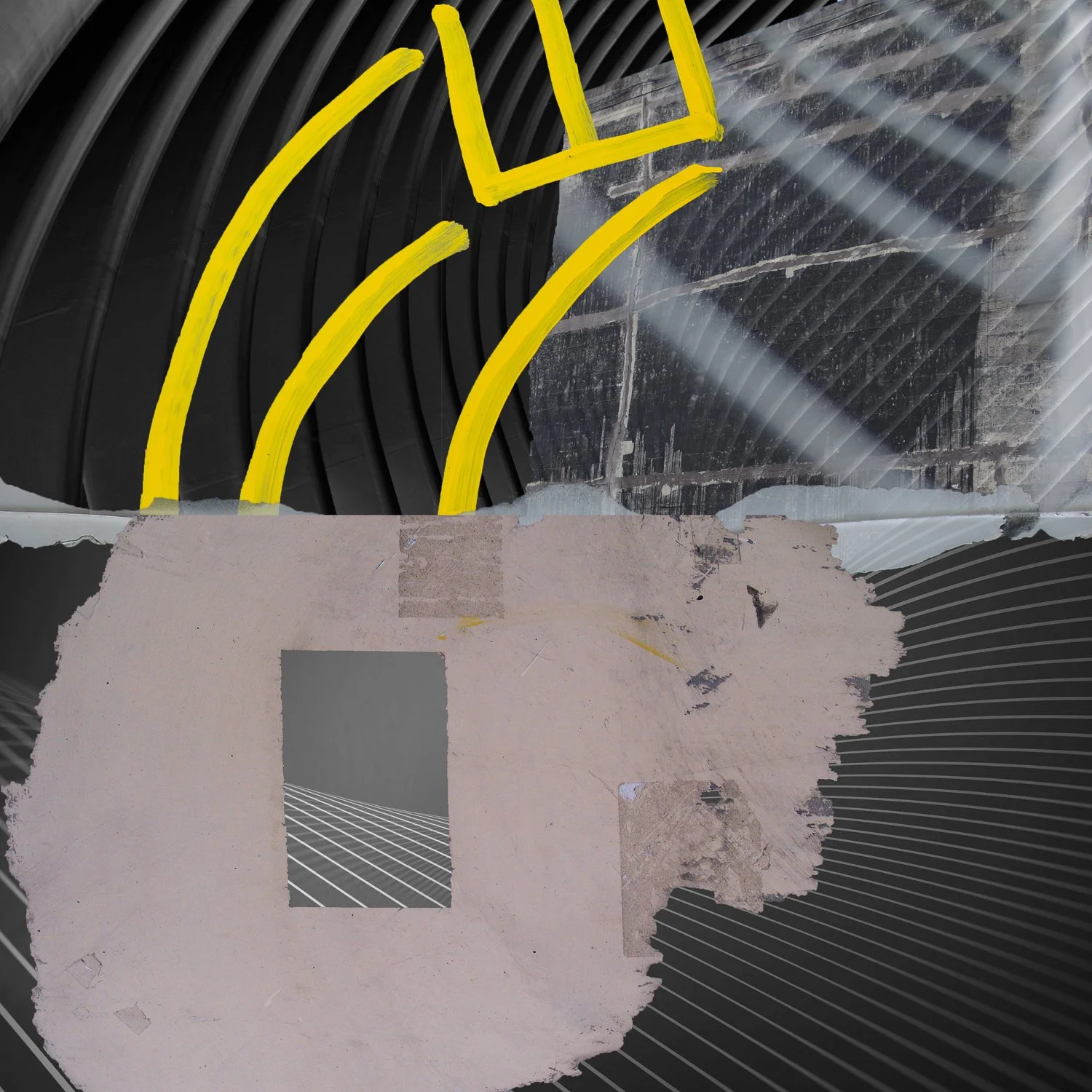
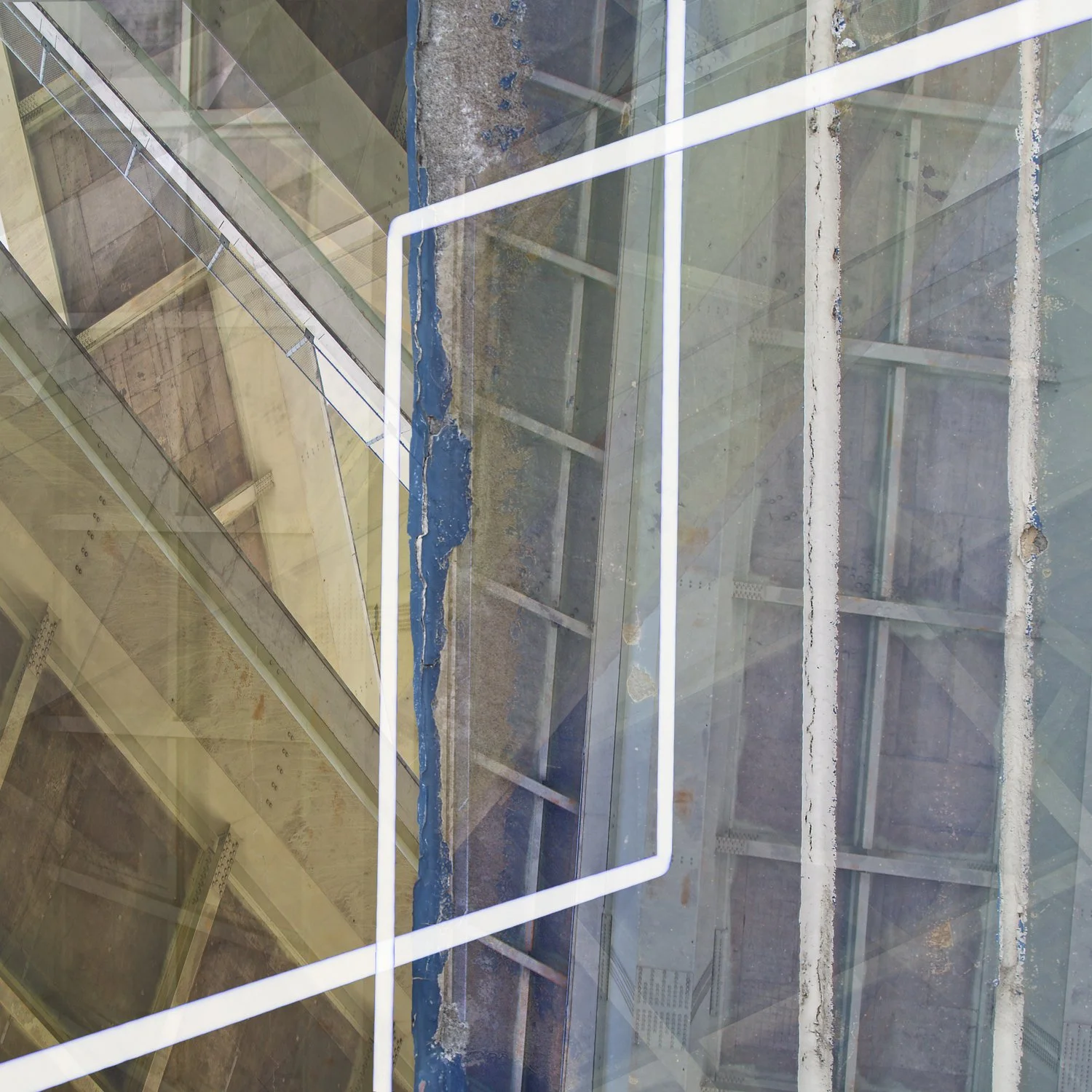
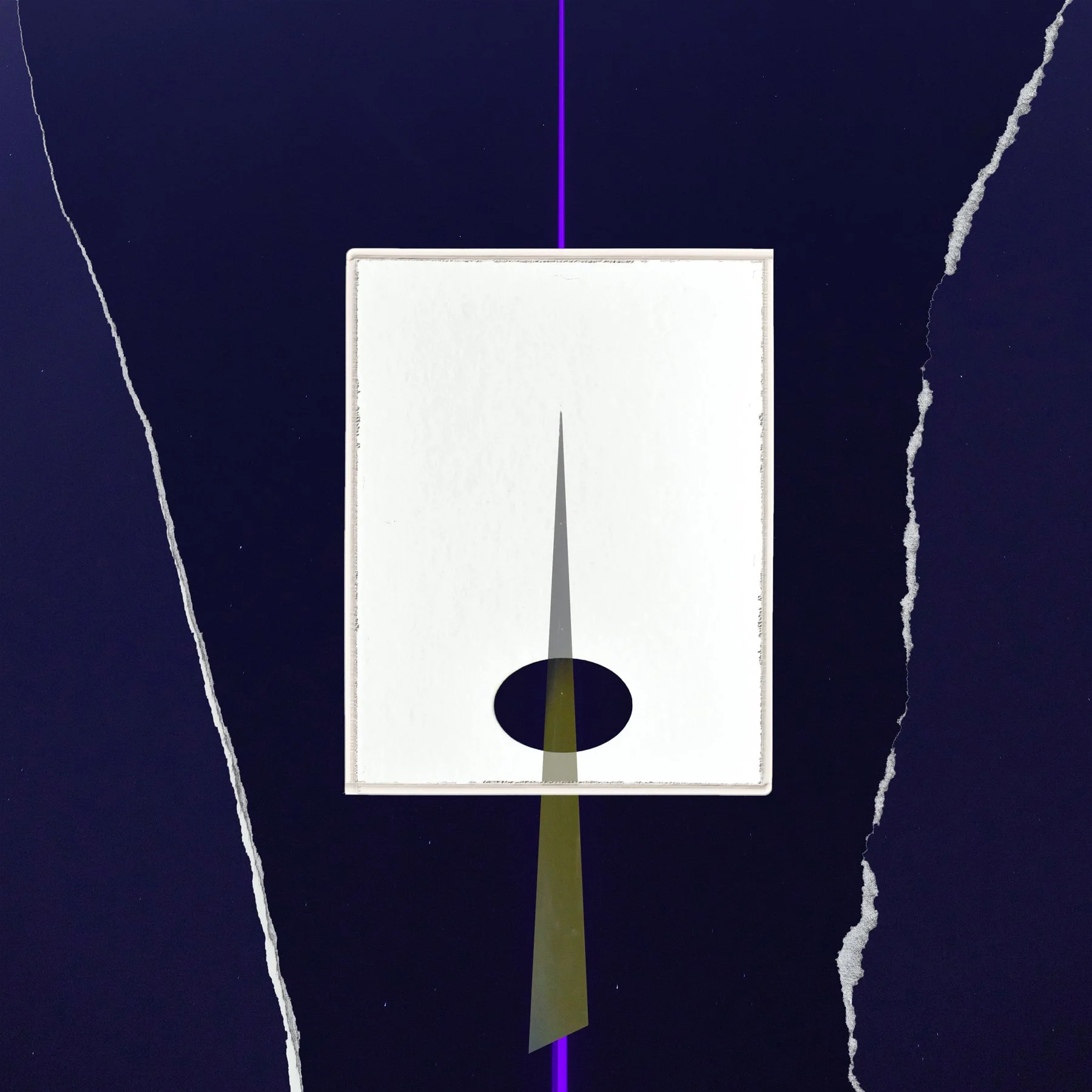
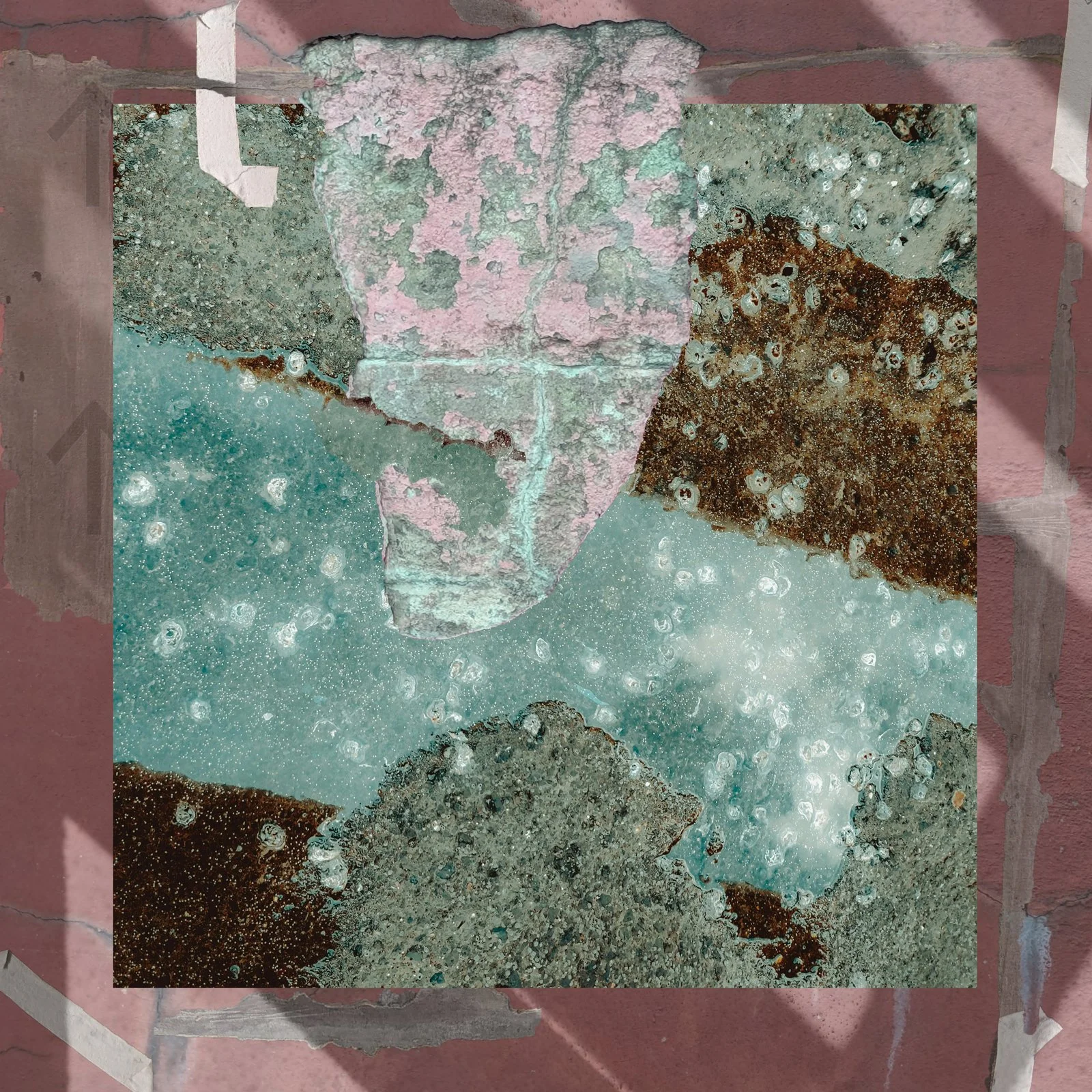
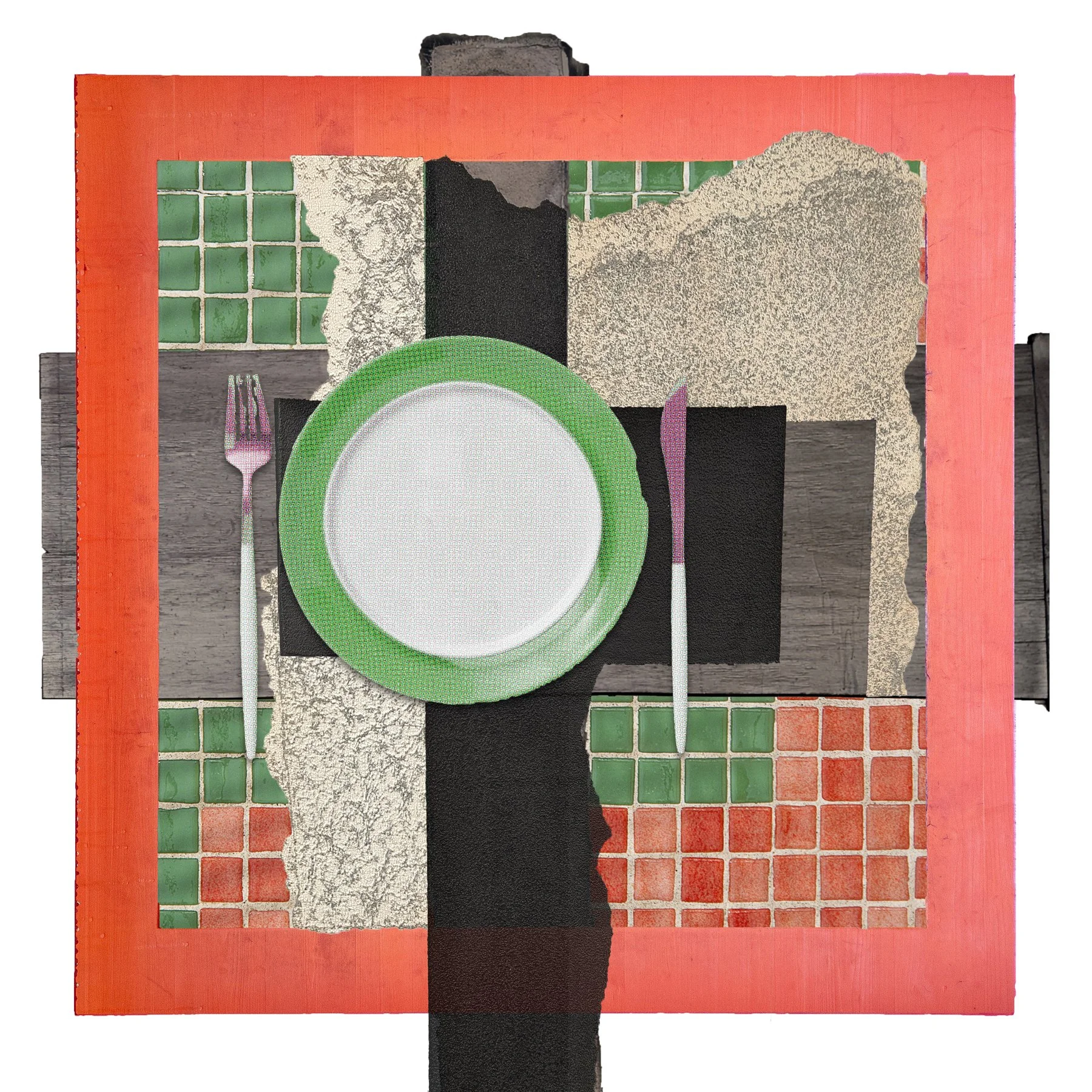
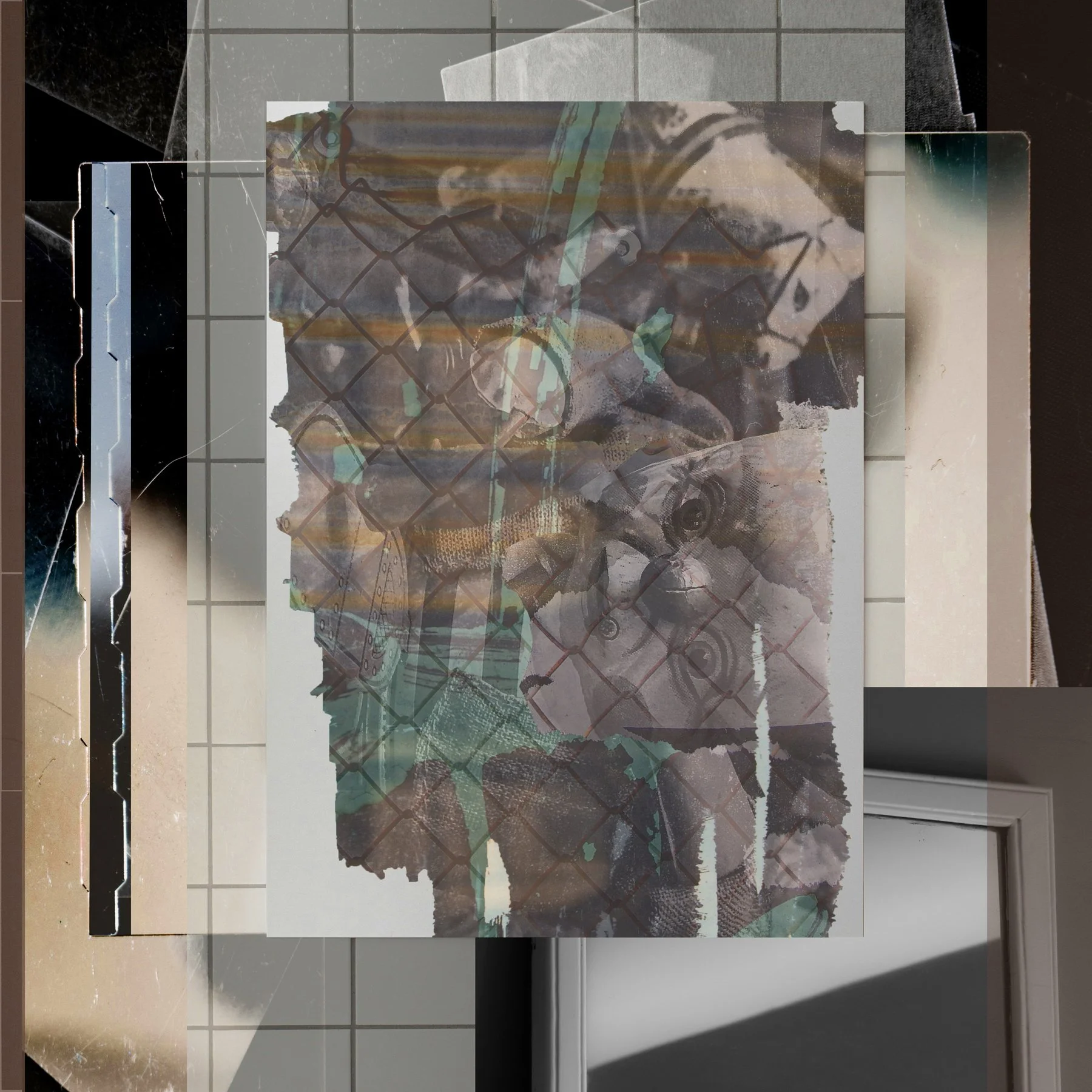
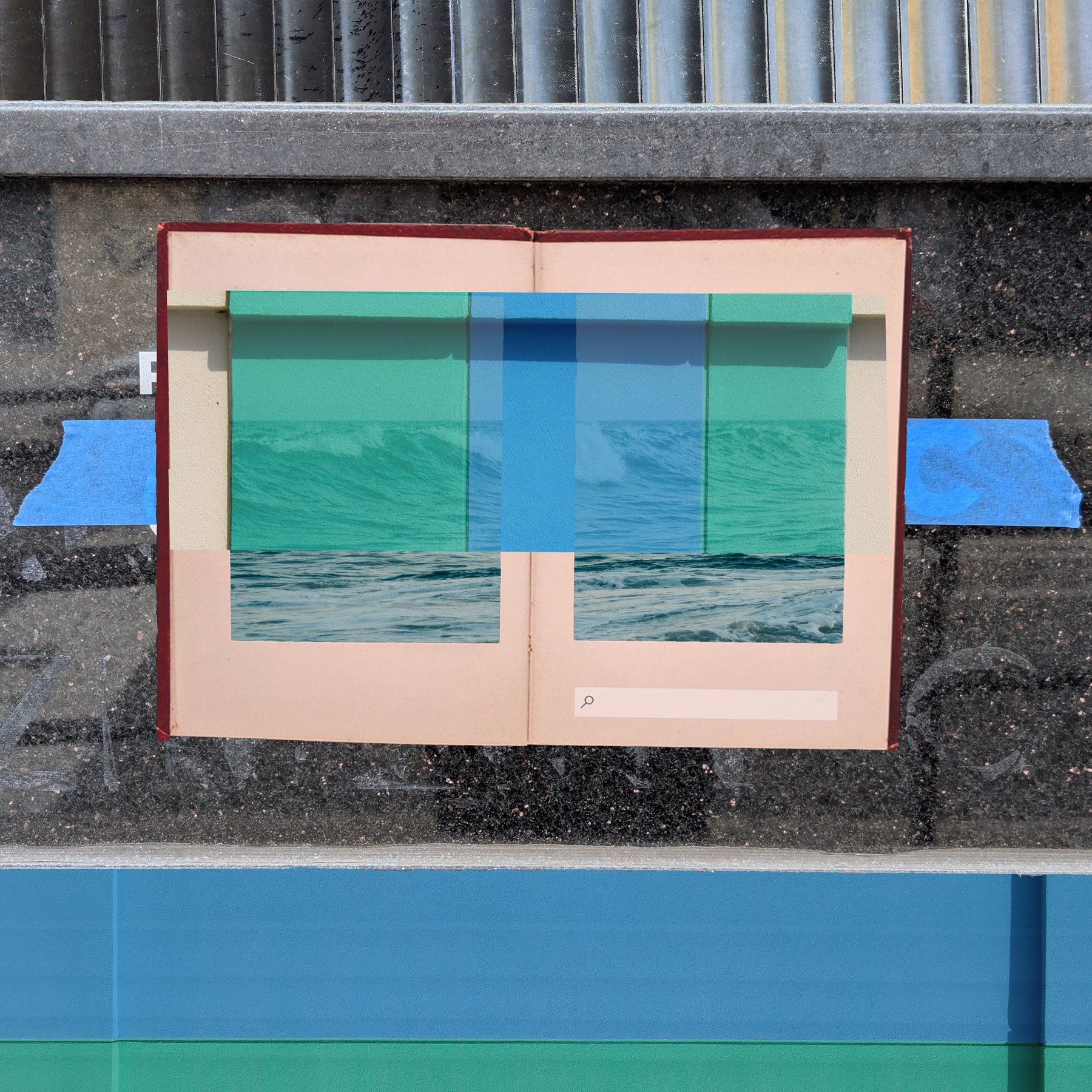
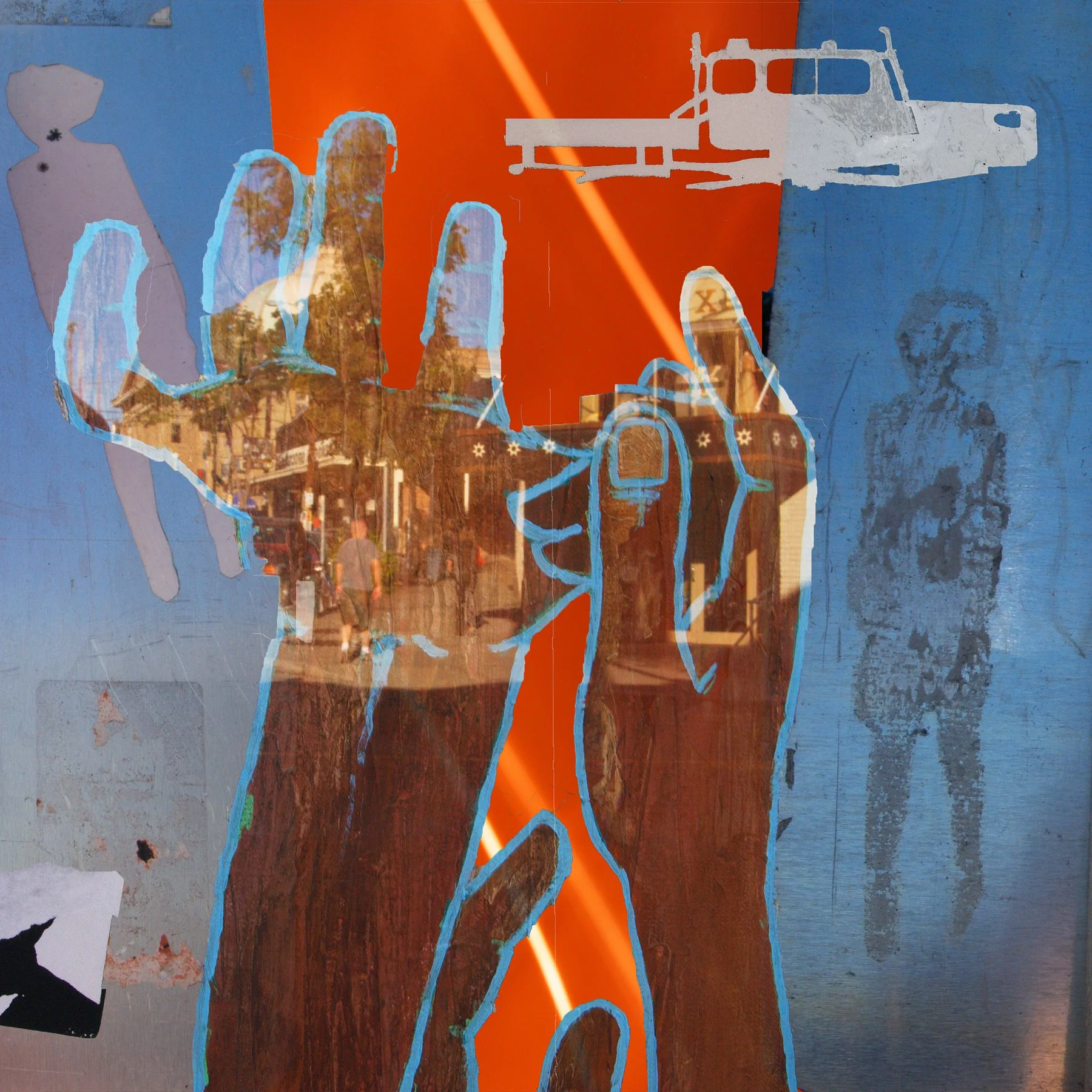
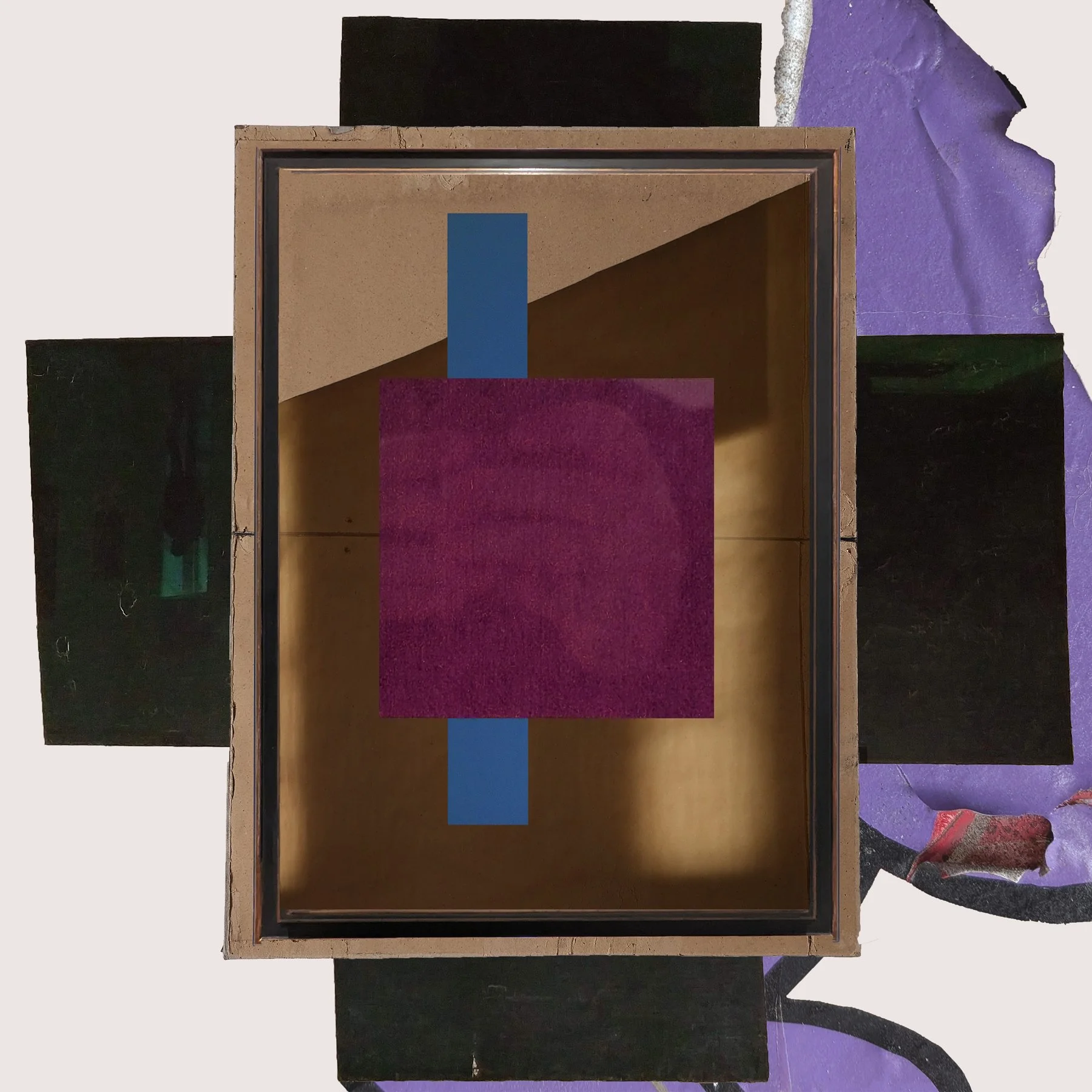
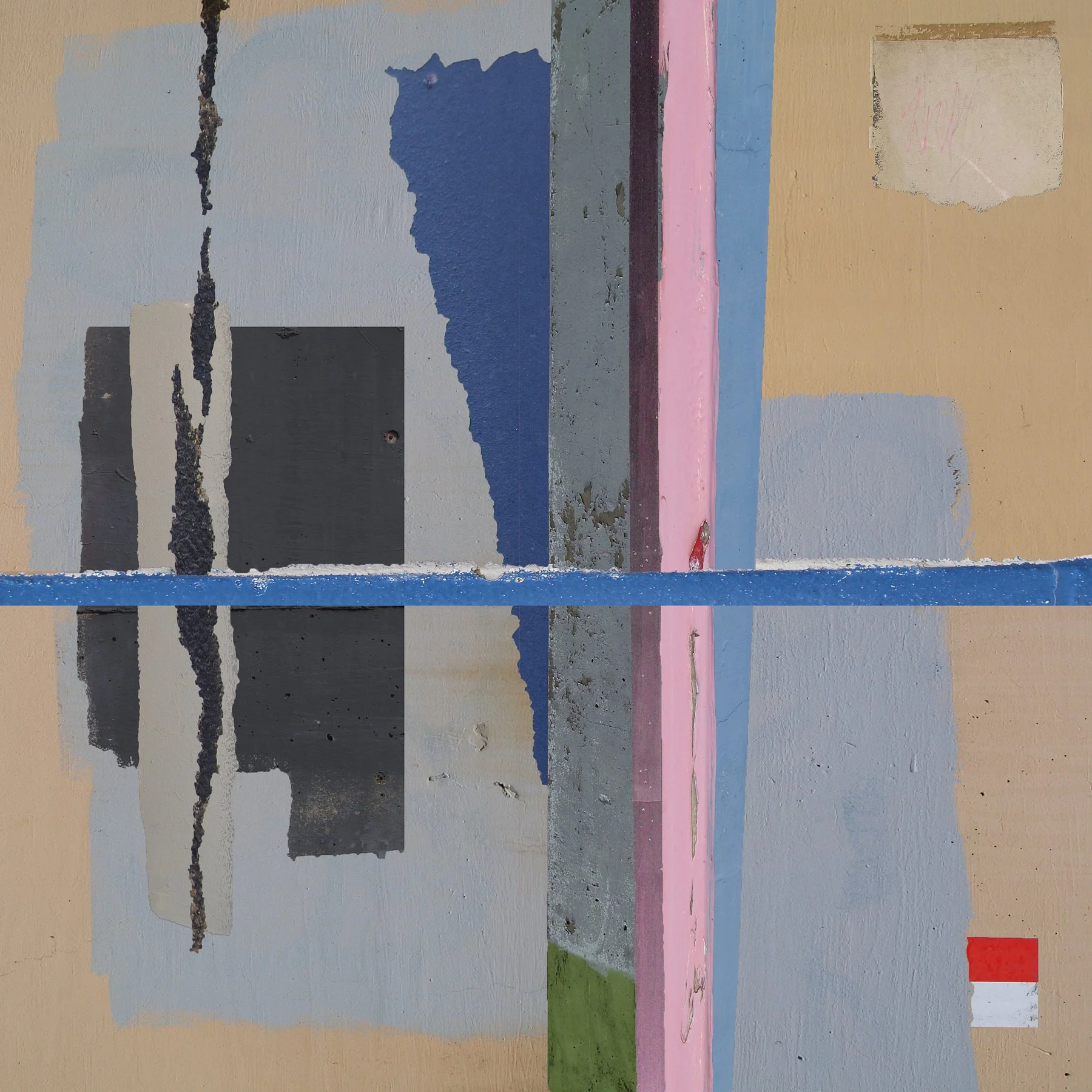
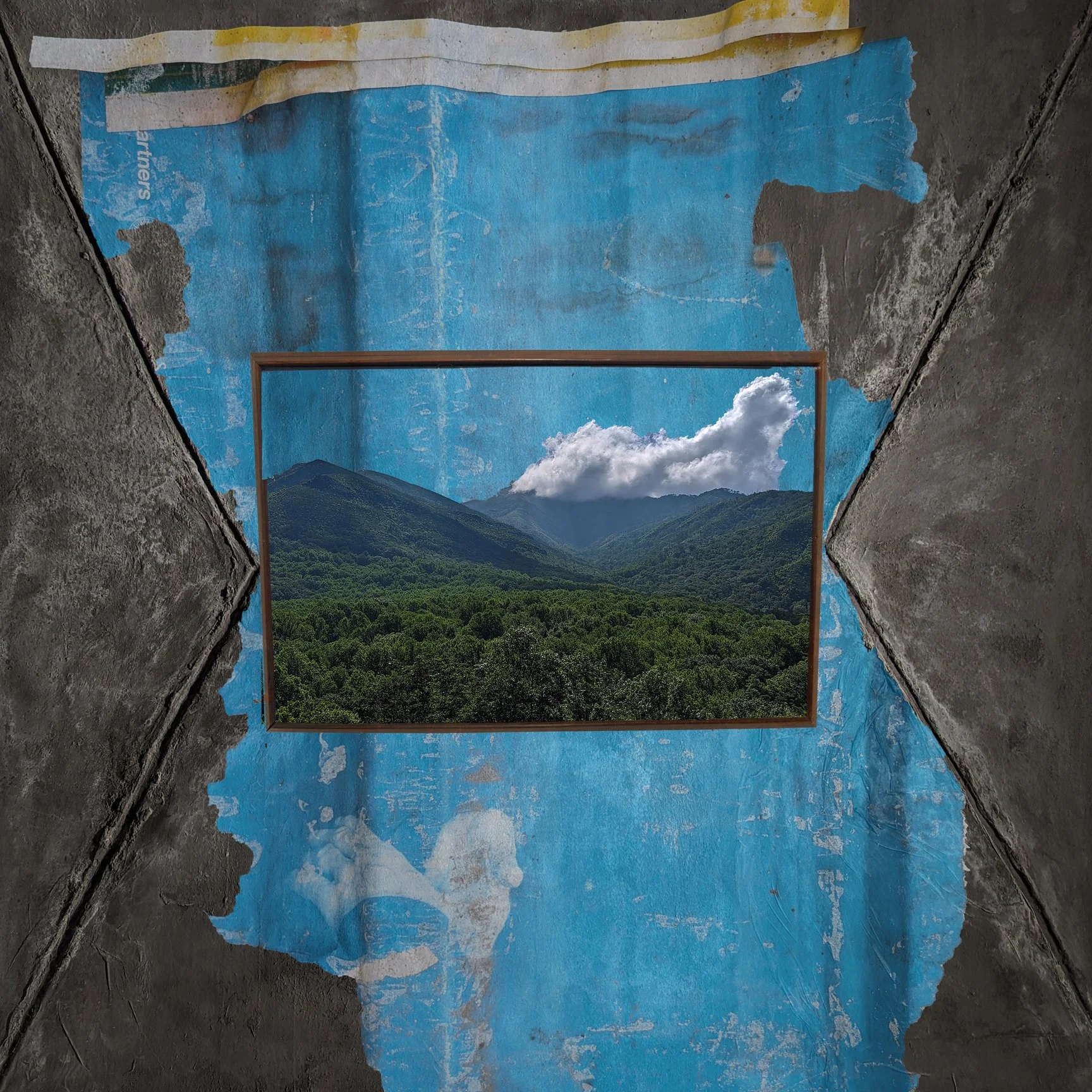
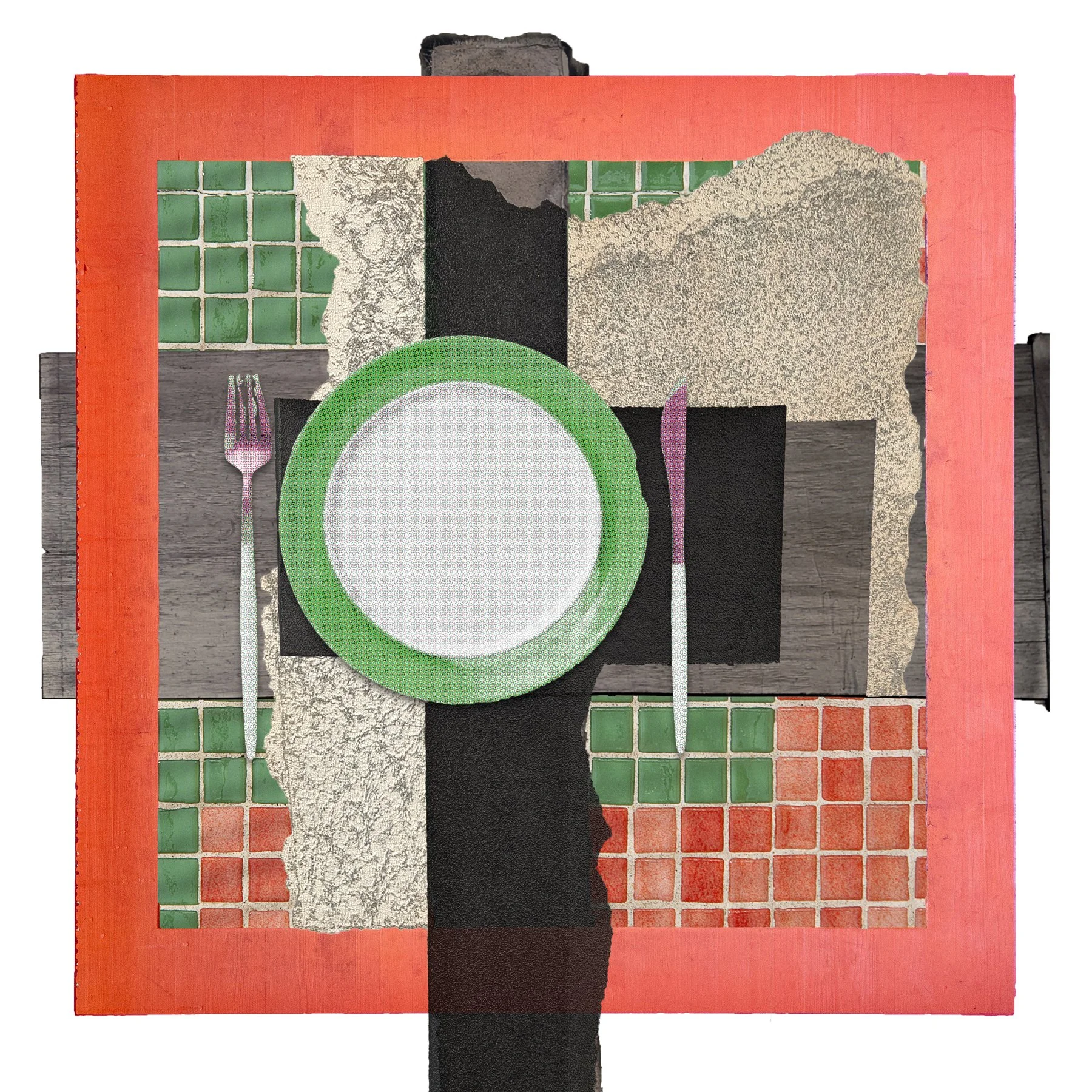
Cathartic Dissonance (an urban allegory) | Cathartic Dissonance (an urban allegory) represents a seismic shift in TJ Norris's creative trajectory, departing entirely from the pursuit of the traditional "decisive moment" in favor of a method of deliberate deconstruction. Comprising more than one hundred square-format composites, this expansive body of work functions as a visual autopsy of the photographic medium itself. By drawing on an extensive personal archive of images gathered over several decades, Norris treats his own history as raw material—sandwiching, layering, and digitally tearing files to disrupt the traditional contract of the lens. The result is a profound materiality paradox: these works exist entirely as flat, digital configurations, yet they pulse with a gritty, hyper-tactile depth, creating a trompe-l'œil for the digital age.
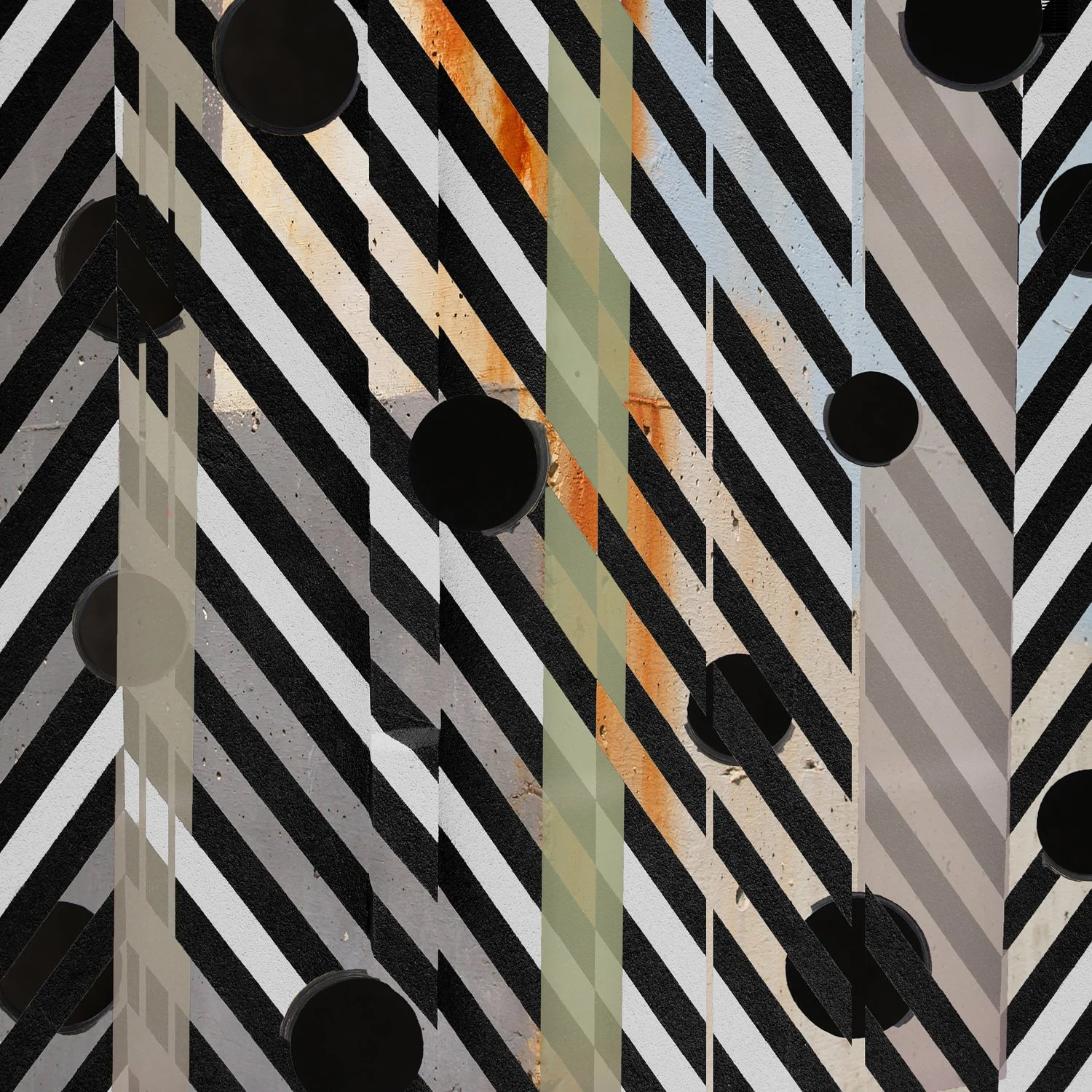
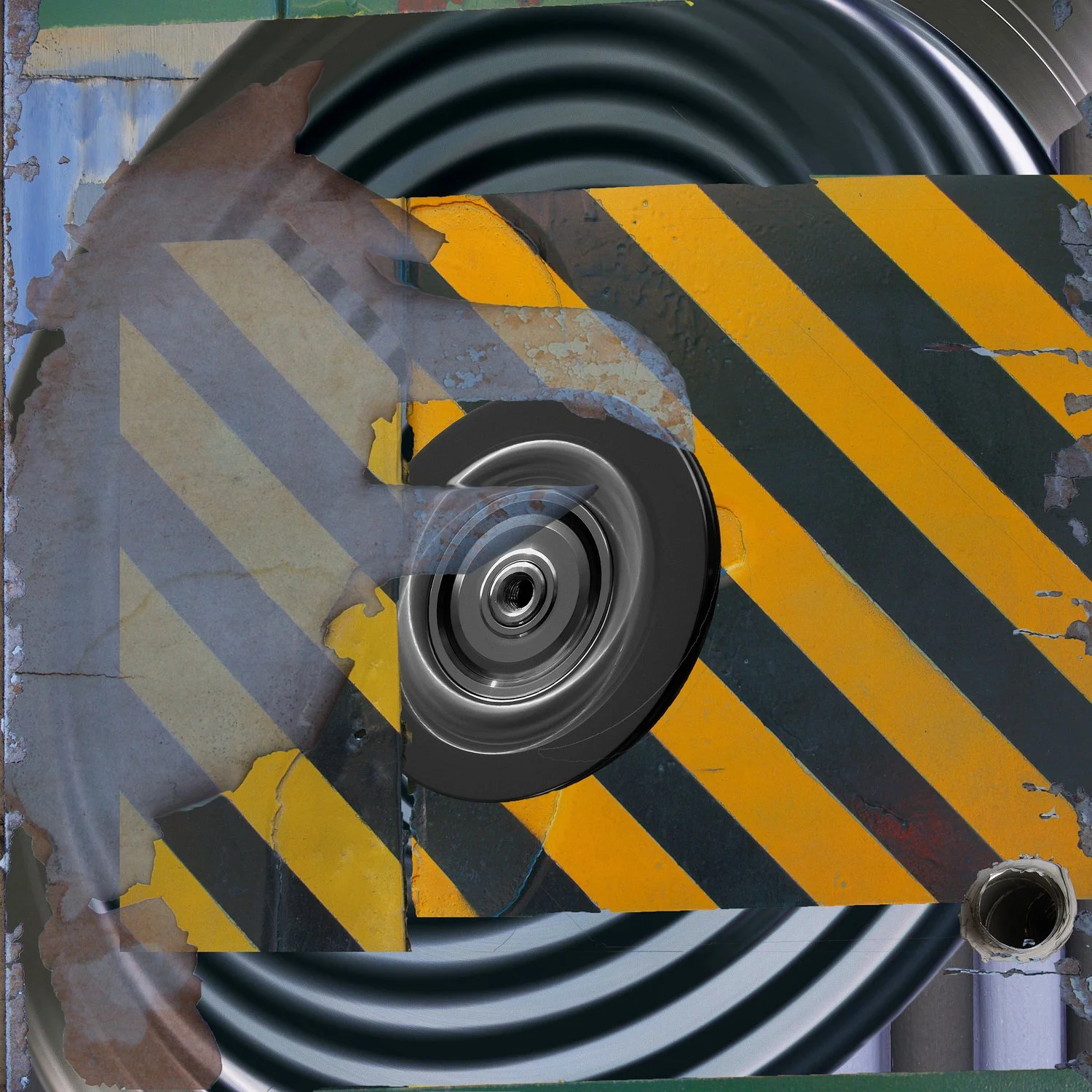
The visual language of the series is defined by a rigorous use of geometric abstraction and unstable layering. Strong diagonal vectors, repetition, and high-contrast patterning generate a sense of mechanical vibration and perceptual drift, while architectural fragments, caution-strip logic, gridded surfaces, and industrial textures tether these abstractions directly to the physical city. Structural grids enforce a decentered perspective, deliberately denying the viewer a singular focal point. The eye is forced to scan the perimeters of these high-contrast mazes, mimicking the hyper-vigilance and sensory overload required to navigate changing, gentrified, or hostile urban environments. Clean geometric planes are split by jagged, organic tears and textured, earth-toned sediment. This is not pure formalism, but a calculated tension between structure and rupture, where image-making becomes a mode of excavation as much as composition.
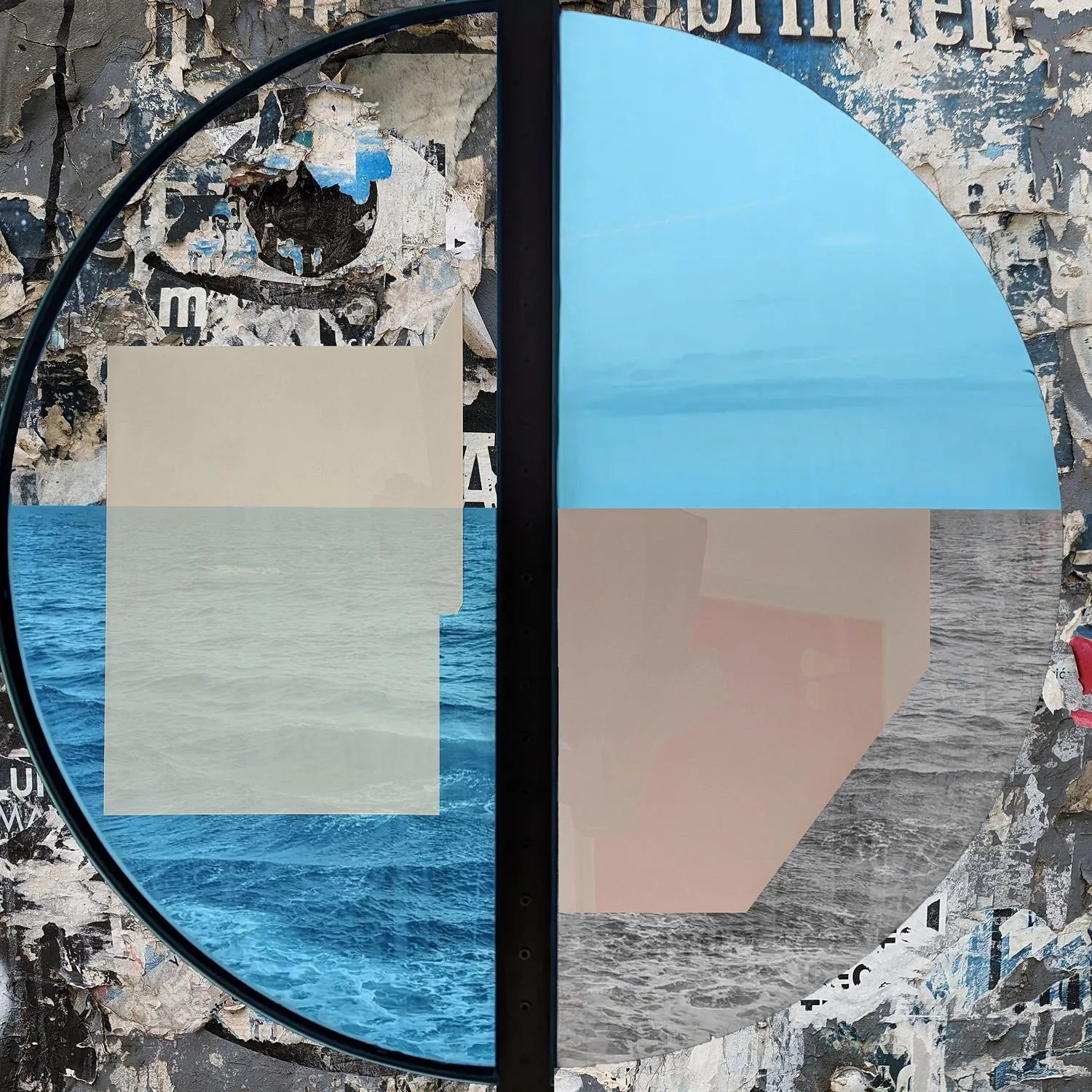
This approach resonates with the Surrealist logic of the exquisite corpse, filtered through a contemporary digital sensibility. Disparate fragments are sutured into provisional wholes, producing a language built from interruption, adjacency, and visual misregistration. Tryptychs and fractured viewpoints break and misalign the physical horizon line across vertical columns, echoing the psychological displacement of the modern flâneur. Crucially, this digital sutureship allows the series to collapse linear time. Because Norris mines an archive spanning several decades, a texture captured twenty years ago is forced into a shotgun marriage with a geometric vector generated today. The square frame becomes a non-linear pressure cooker of memory, compressing the historical erosion of the city and the artist's personal biography into a single, flattened plane. The work also carries a strong synaesthetic charge, translating urban pressure, memory distortion, and ambient noise into rhythm, color, and spatial interference.
At the same time, the project is deeply rooted in the friction of modern existence, especially the dislocations produced by rapid gentrification, skewed urban planning, and social erasure. Norris finds source material in the overlooked cracks of the city—alleys, industrial by-ways, and marginal sites where weathered surfaces and distressed textures carry both formal richness and historical residue. Surface roughness becomes a kind of visual evidence: not merely backdrop, but witness. The work treats the digital screen not as a clean window, but as a site of physical decay, where technology acts as an archaeological sediment tracking the way a city buries its own history.
The resulting compositions balance monochromatic starkness with muted, earthy tones and occasional flashes of saturated color, creating a rhythmic pacing that invites repeated looking and a literal double-take. Moving between intimacy and abstraction, between familial loss and cosmic speculation—evoked through celestial rings, lens flares, and floating circular orbs—Cathartic Dissonance transcends documentation and enters the register of abstract painting, collage, and psycho-geography. It breathes new life into a long photographic practice by turning accumulation, fracture, and reassembly into its central expressive logic, charting the full emotional arc from the overload of sensation through displacement, drift, and finally, the stripped-back clarity of aftermath. tjnorrisart.com