

Rich-Joseph Facun
Rich-Joseph Facun
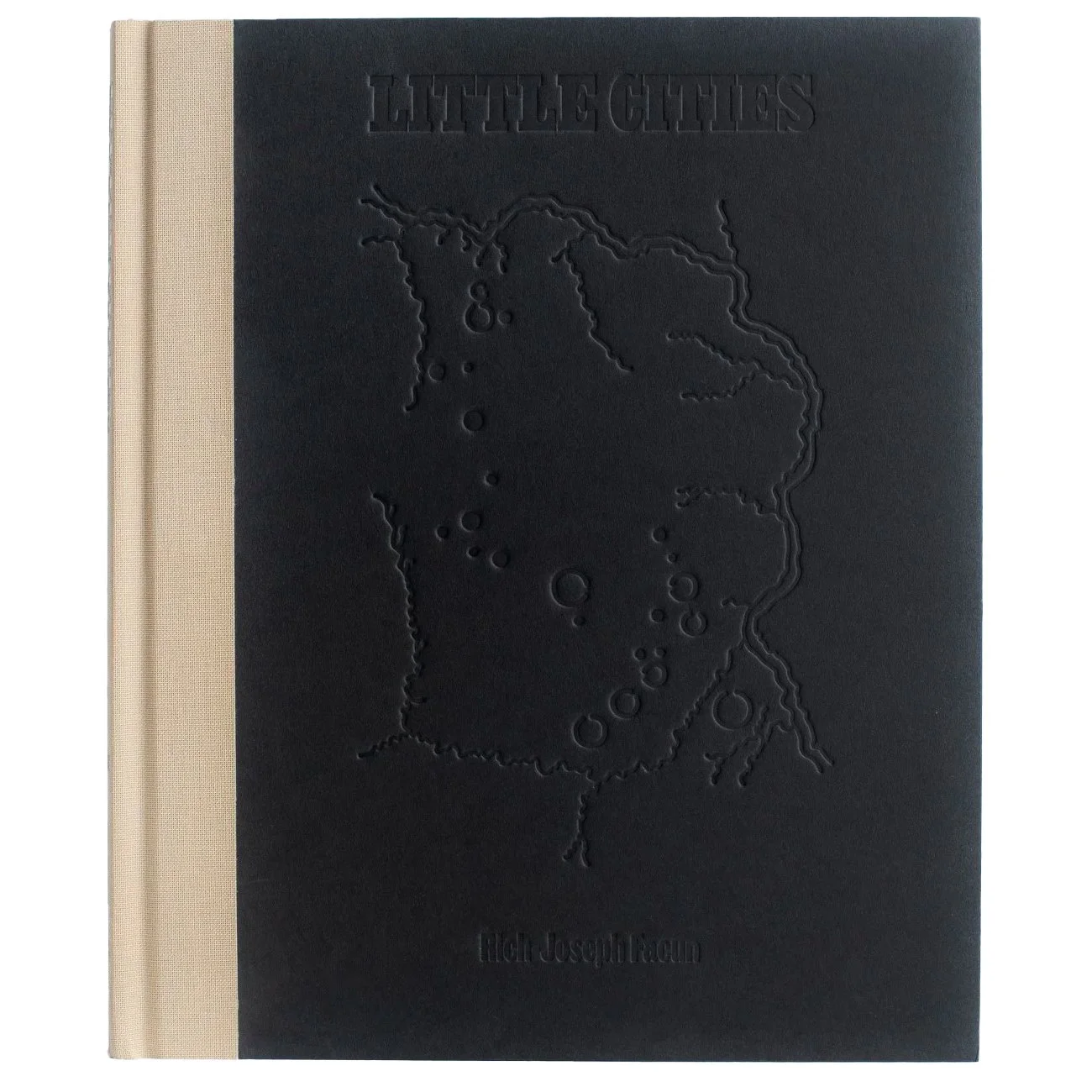
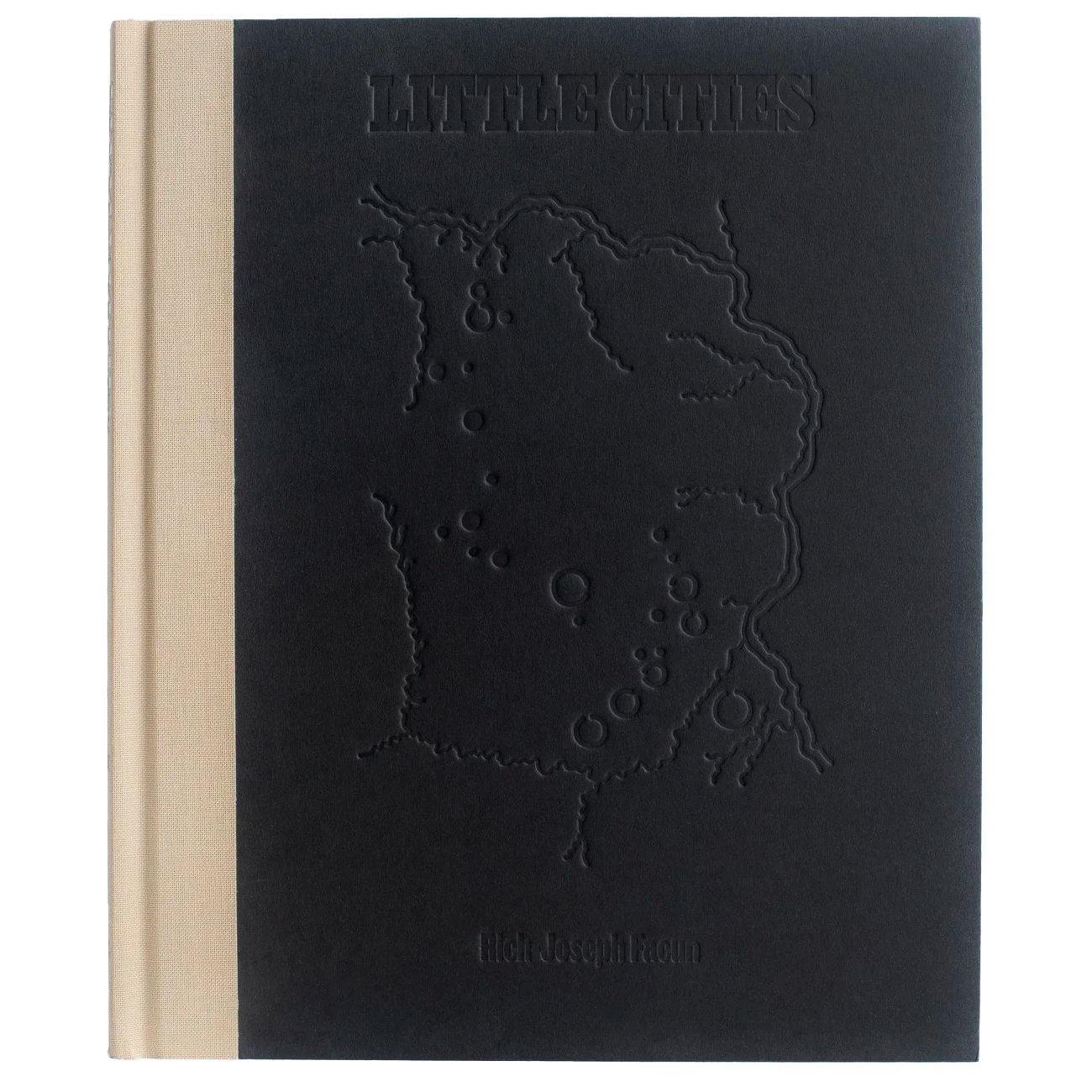
Little Cities
59 color photographs
Hardcover
7.5 x 9.25 inches
128 pages
About the Book:
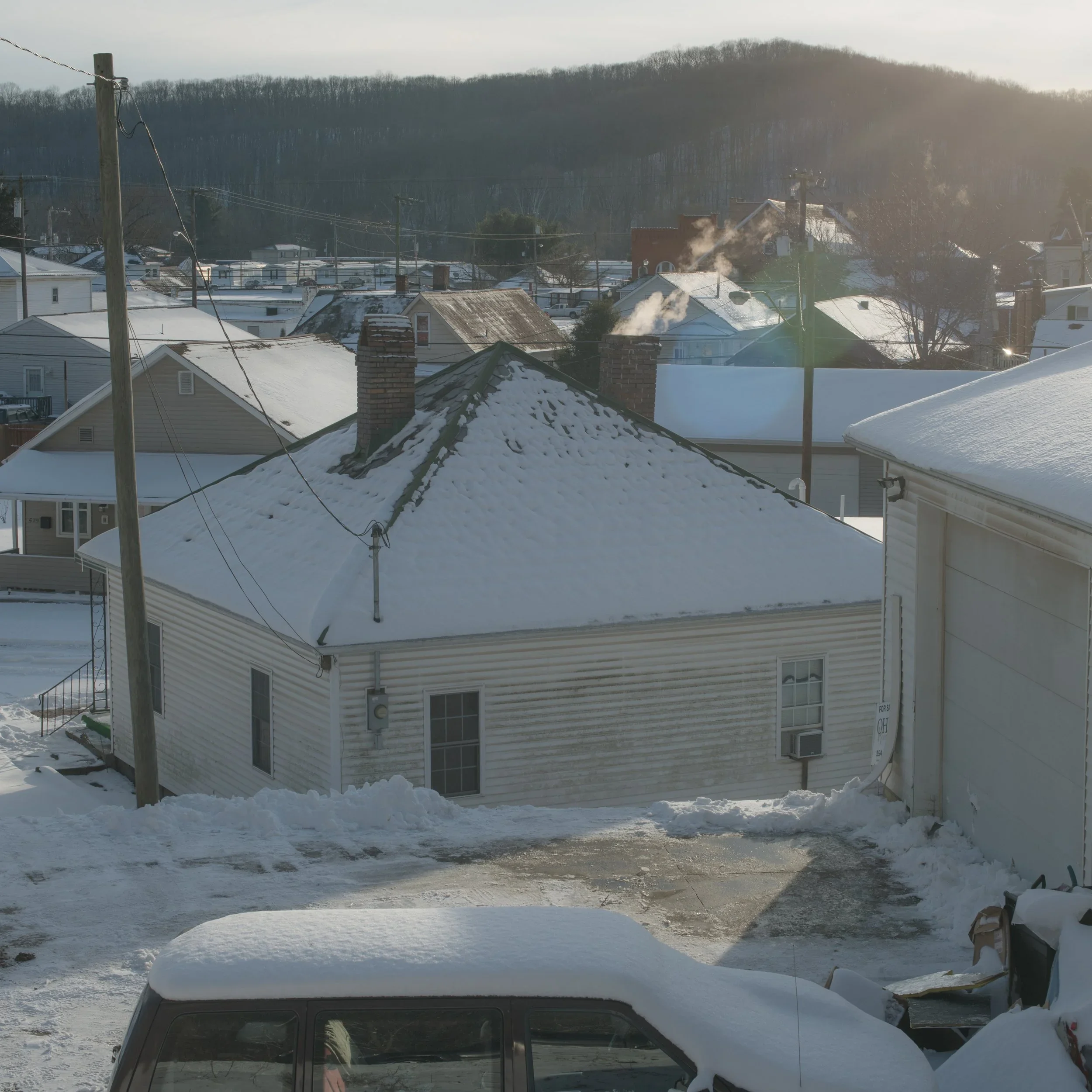
In his second monograph, Little Cities, Rich-Joseph Facun guides viewers on a meandering meditation through Southeastern Ohio by depicting the vernacular post-industrial landscape. In their quiet formality, the images call to mind past dreams, present disillusionment, and gently nudge us to look beyond what can be seen on the surface.
Through recurring motifs, Facun excavates remaining signs of the Indigenous communities who once called this region home. In mankind’s hubris, we want to believe we shape the land we live on. Facun’s photographs remind us that the landscape contains memory, and it is witness to our misdeeds.
(Text taken from press release)
Images courtesy of Rich-Joseph Facun
Book review by Jeff Smudde |
From Cahokia to Hopewell and beyond, the Midwest has a deep rooted history of indigenous memory. In Rich-Joseph Facun’s Little Cities, we are guided between the contemporary Ohio landscape and the memories of the past before European settlers. His images flow between photographs of neighborhoods and urban sprawl, and move back to photographs of mounds and reminders of the indigenous people who once lived here. The land, as many in photography know, has a long memory.
Facun’s photographs examine the landscape of Southeast Ohio, often photographs of houses and notes of lived-in places. Appalachian Ohio bears a resemblance to the Northeast, a dense, forested landscape that I currently call home. This book becomes more than a portrait of contemporary Southeast Ohio, but an analogy for much of the United States. We are conducted to think of the landscape’s use and the sprawl of European influence on the land, as the past bears its head to remind us where we are.
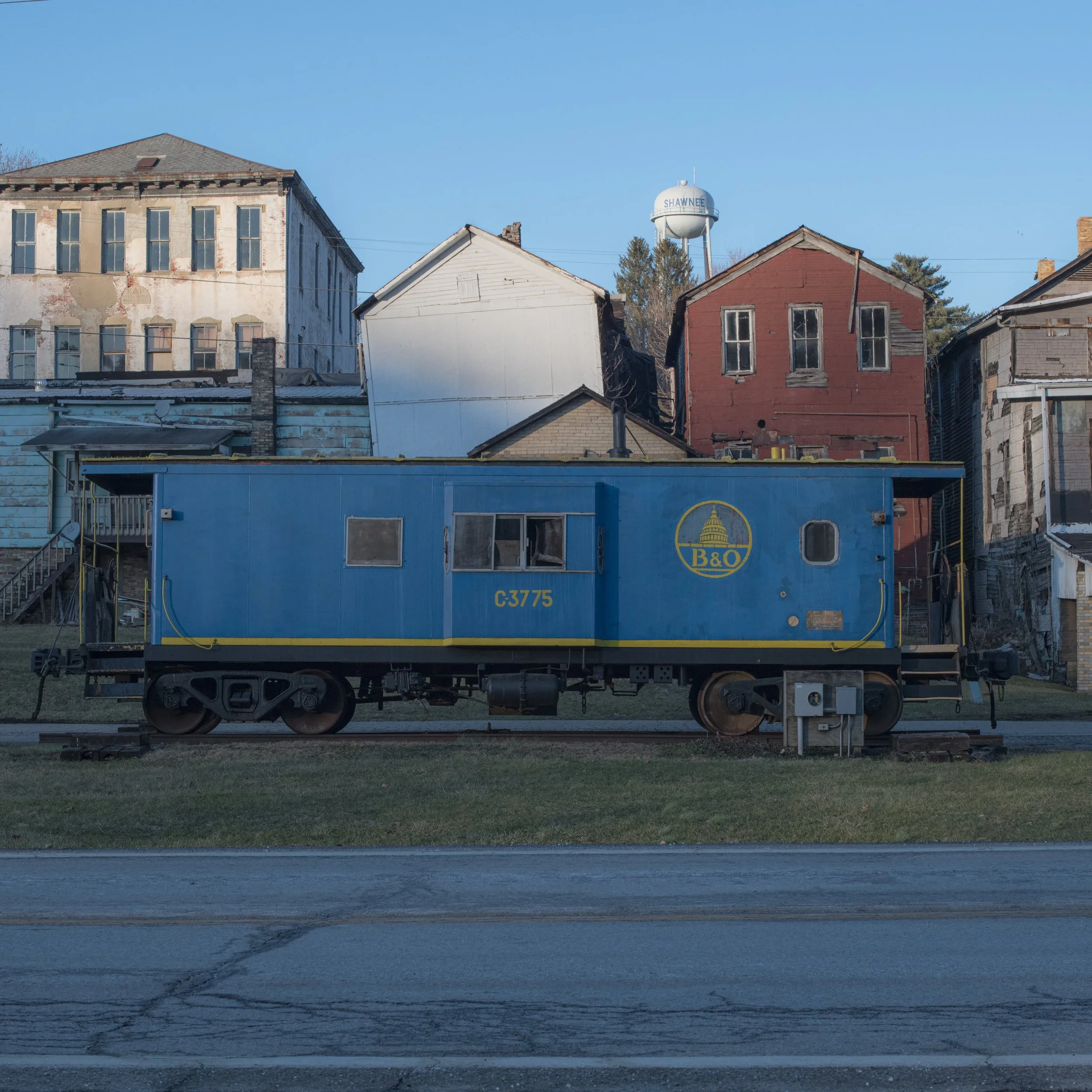
Images courtesy of Rich-Joseph Facun

Images courtesy of Rich-Joseph Facun
The burial mounds in Facun’s photographs act as punctuation as well as rumination. Their presence is quiet and contemplative, living next to younger neighbors of houses, cemeteries, parks, and other more modern sprawl. The people who lived in this land centuries ago may only find the mounds to be the only recognizable part of this place. From unremarkable utilitarian buildings to ornate Victorian houses, the landscape of Ohio, and the country at large, has vastly changed in only a matter of a few hundred years.
This work brings to mind another one of Ohio’s indigenous landscape – the Hopewell Ceremonial Earthworks. Also a historic and significant place for the indigenous people of Ohio, the Hopewell earthworks exist within Newark, just outside of Columbus, and have recently been granted the status of a UNESCO World Heritage Site. Upon learning about this site and its significance for indigenous people across North America layers further complexity and awe at the societies that lived and thrived here long before colonization, a feeling that is poetically emphasized in Facun’s work.

Images courtesy of Rich-Joseph Facun
This book feels less like a search, but more like a reconciliation. From images of foggy urban and industrial sites to golden light on the burial mounds behind a suburban neighborhood, Facun walks us into a place to imagine and remember the stories below our feet, printed on these pages.
The work that Facun has put together in this book cements this reminder that the earth we walk on, the places we move through, have memories themselves. The land we from the United States call home was not ours to begin with, and the development of this land has only left traces of what once was a rich culture of indigenous societies. As time continues and us contemporary residents live, we, too, will become part of the land’s memory, etched into stone and dirt.
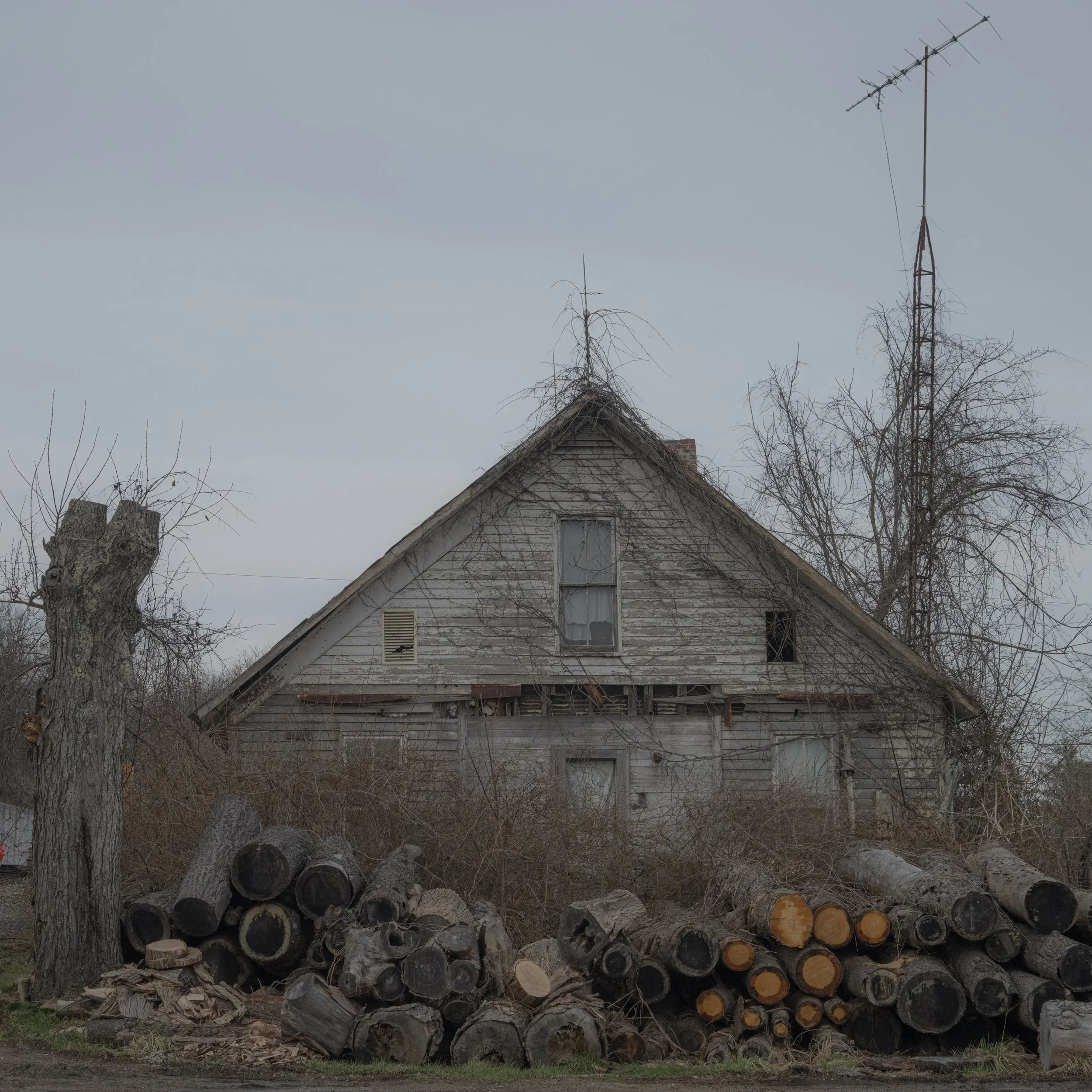
Images courtesy of Rich-Joseph Facun