

Re:collection
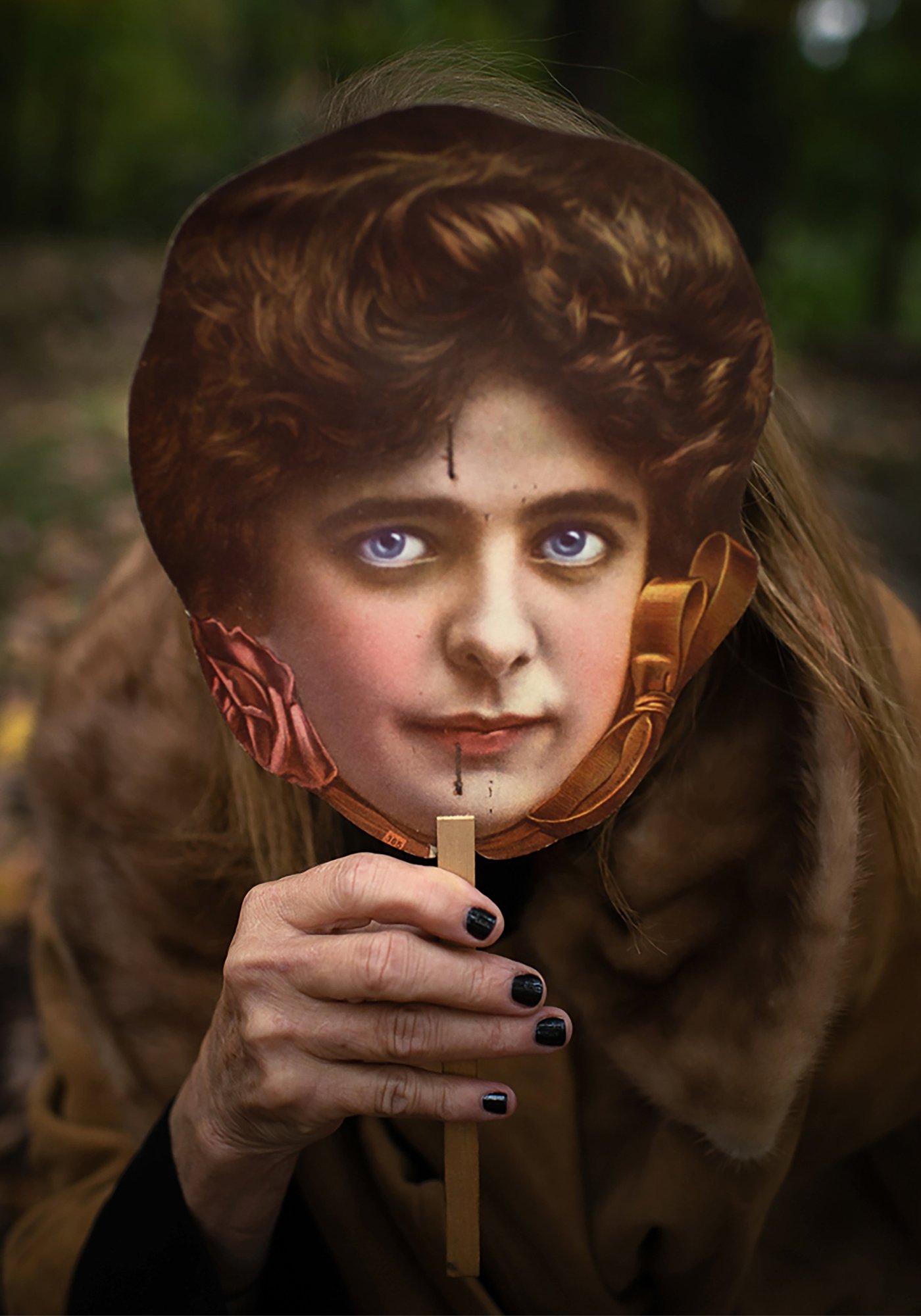

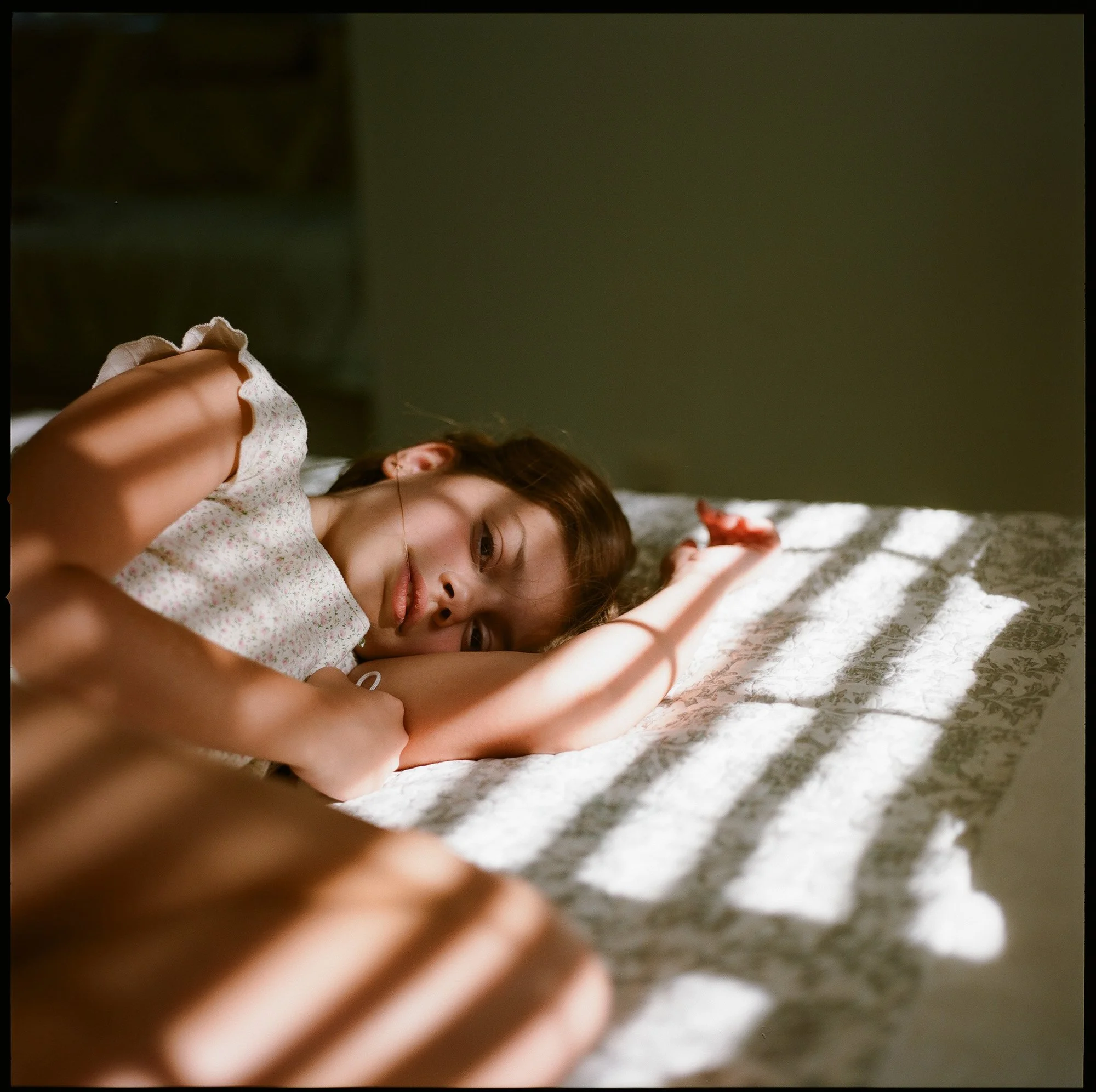
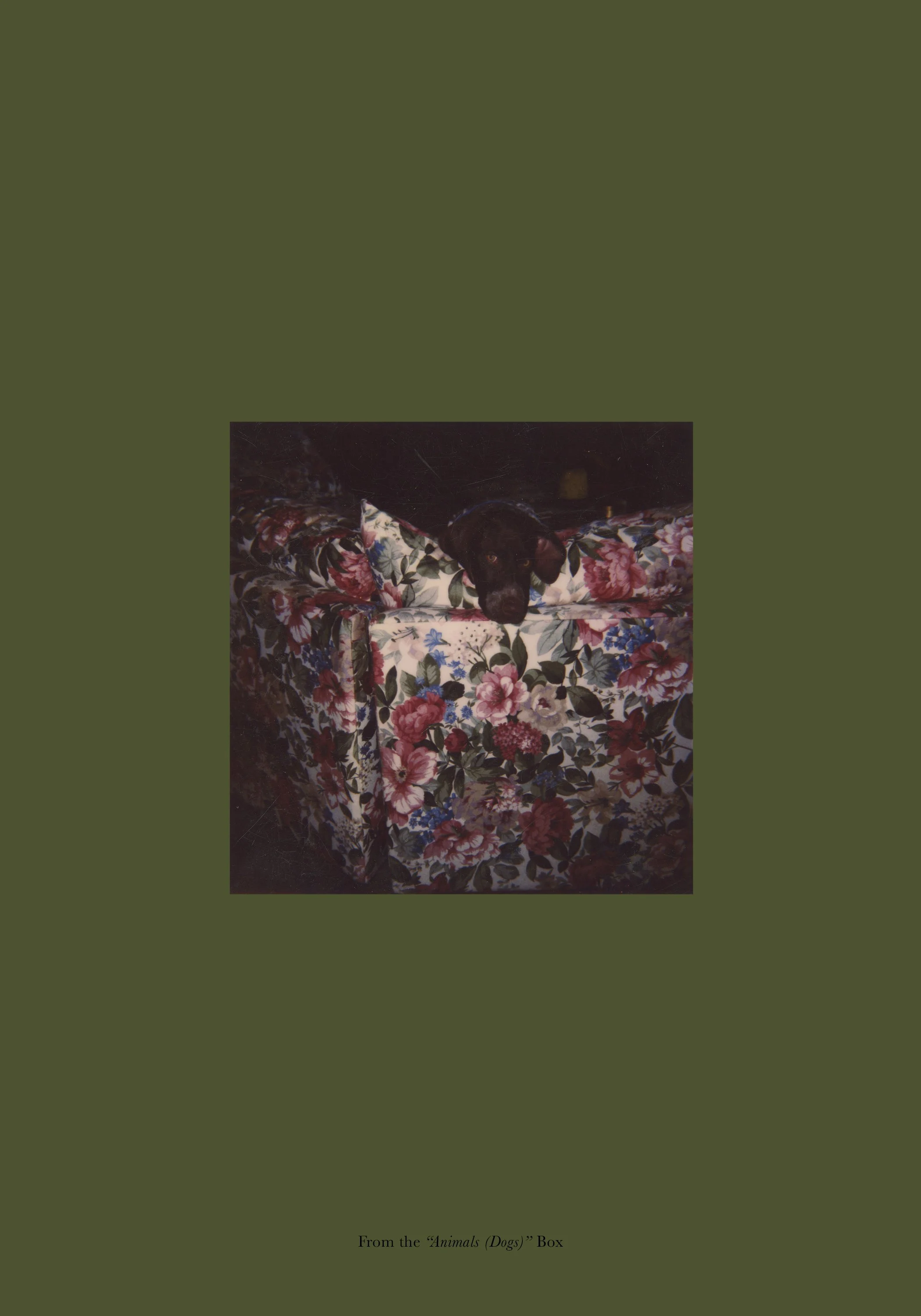
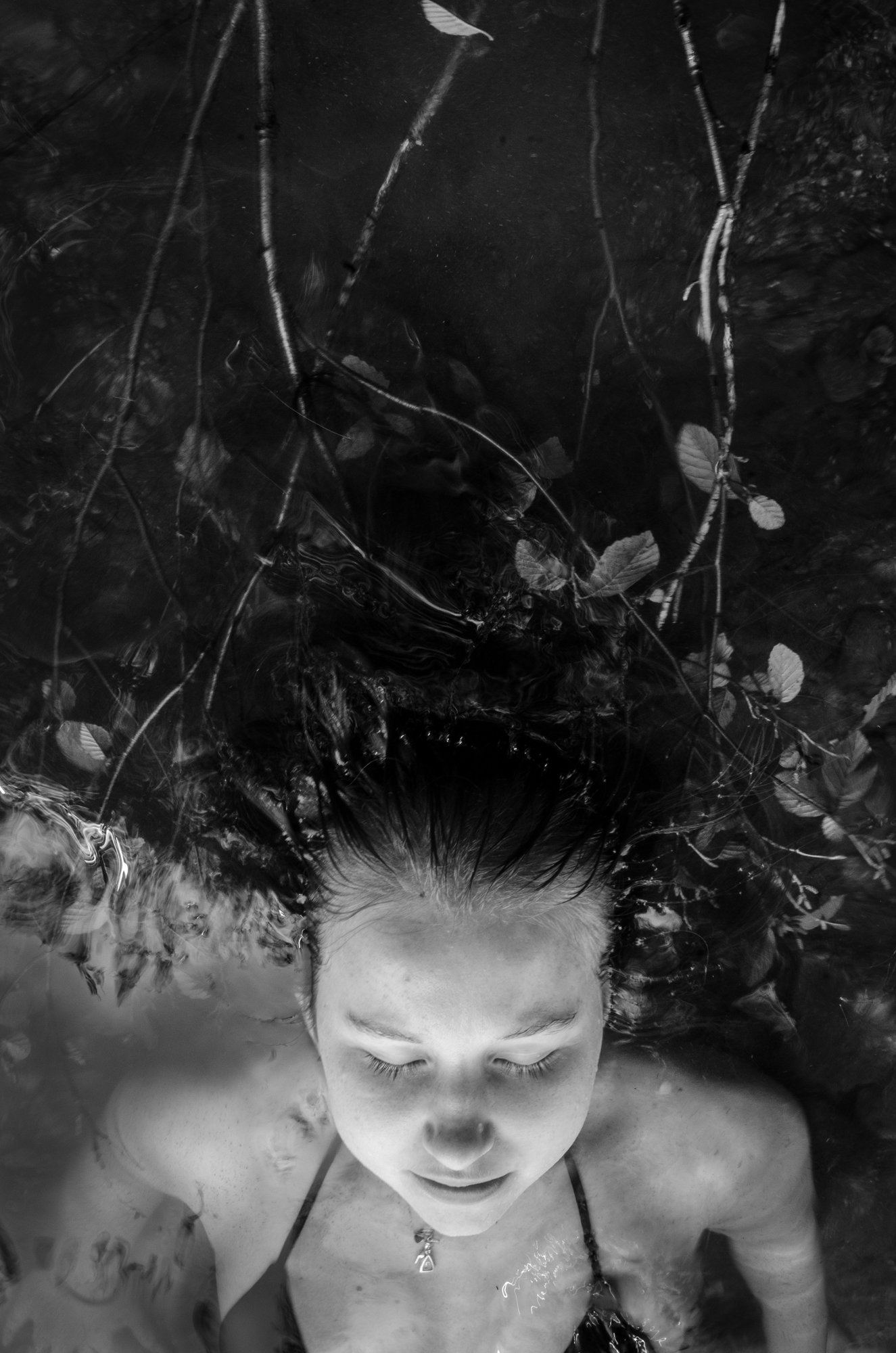
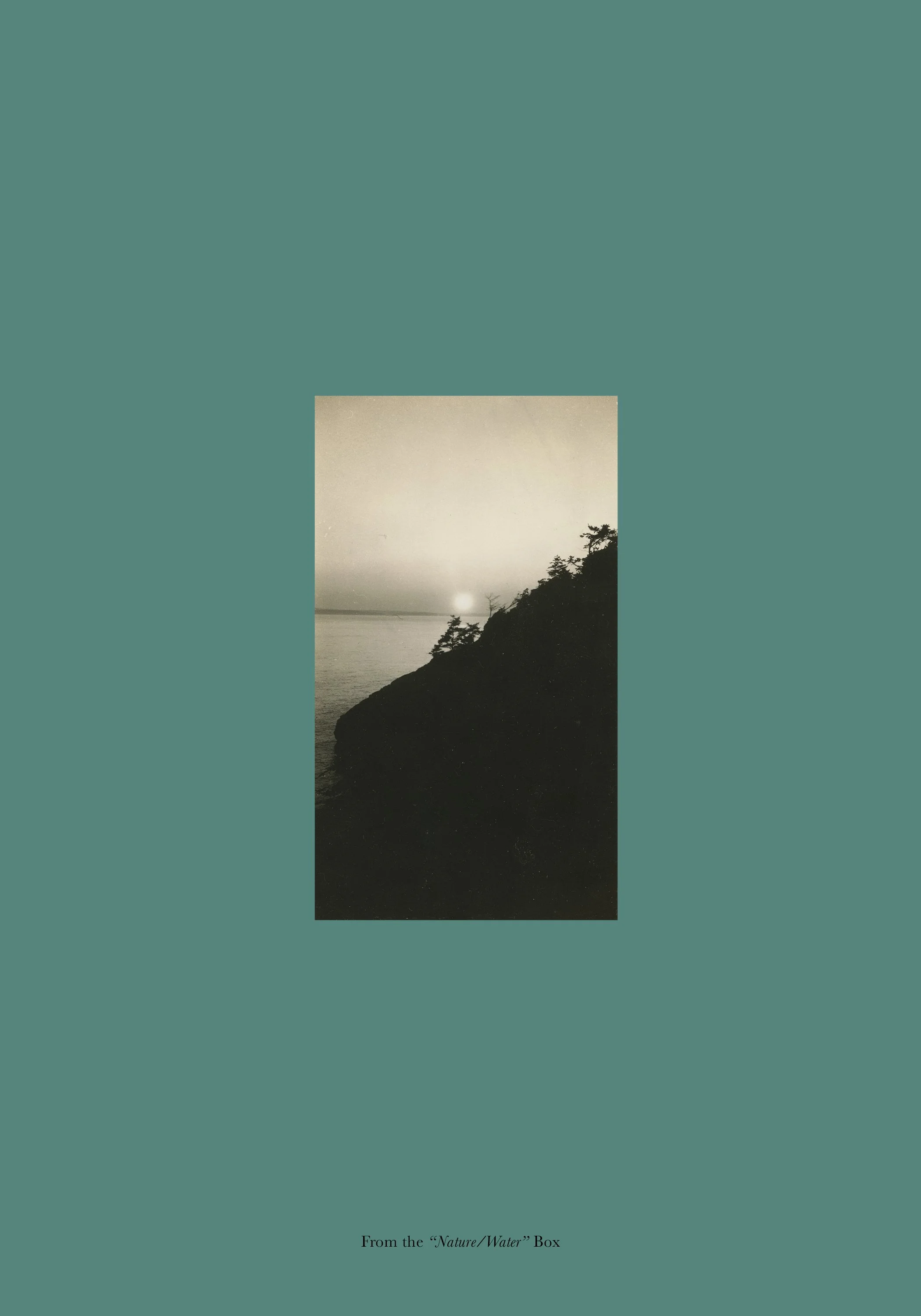
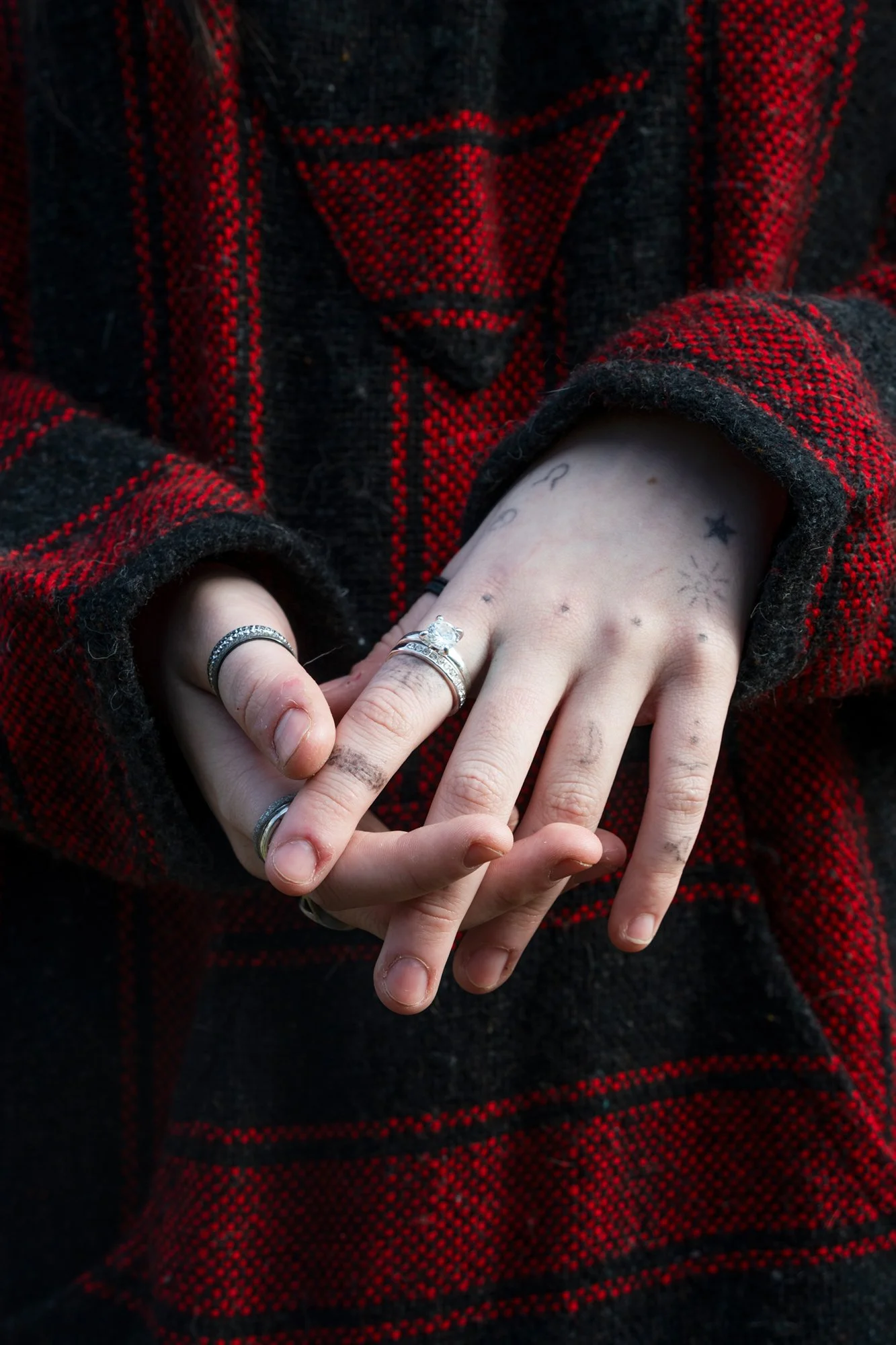
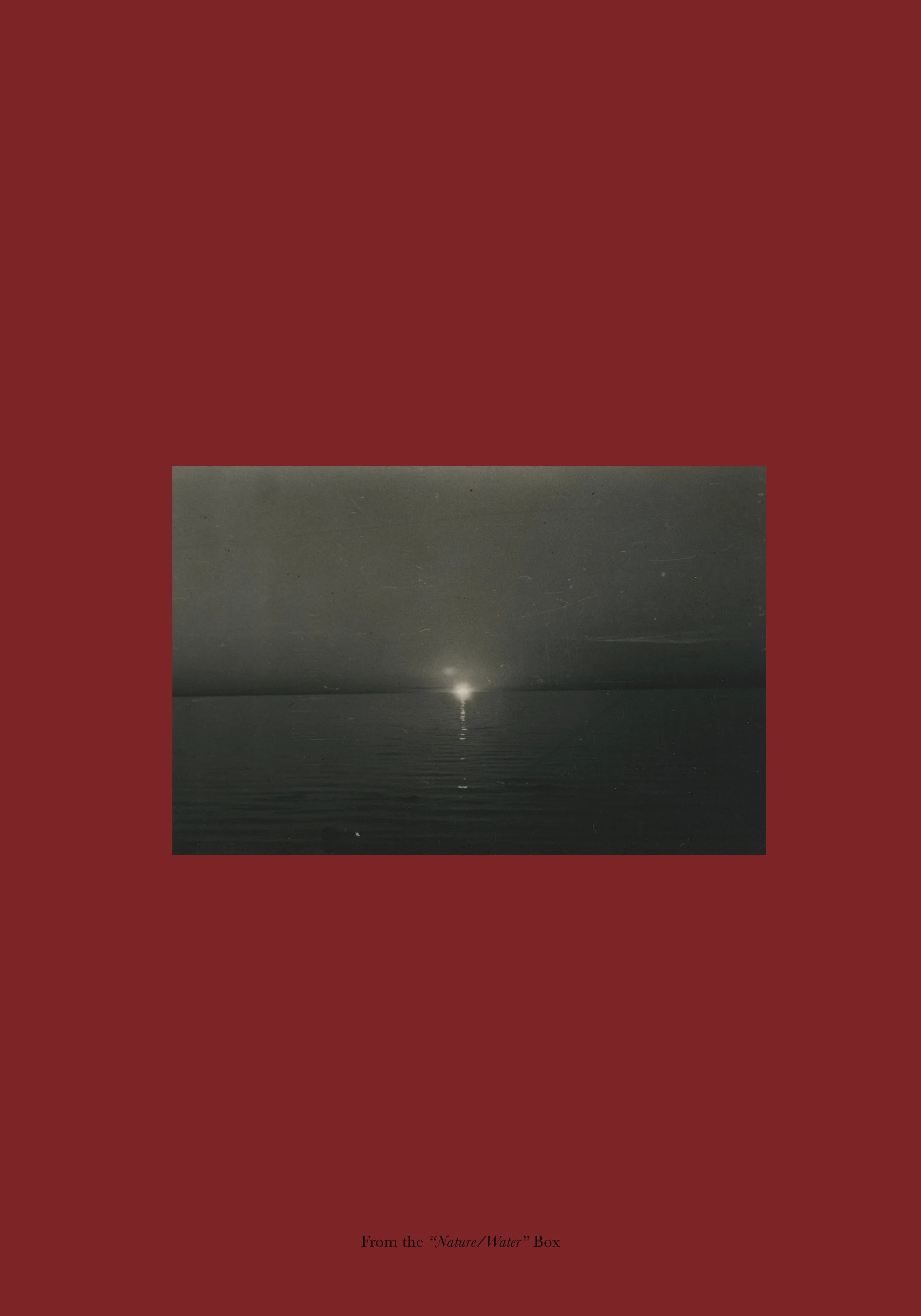
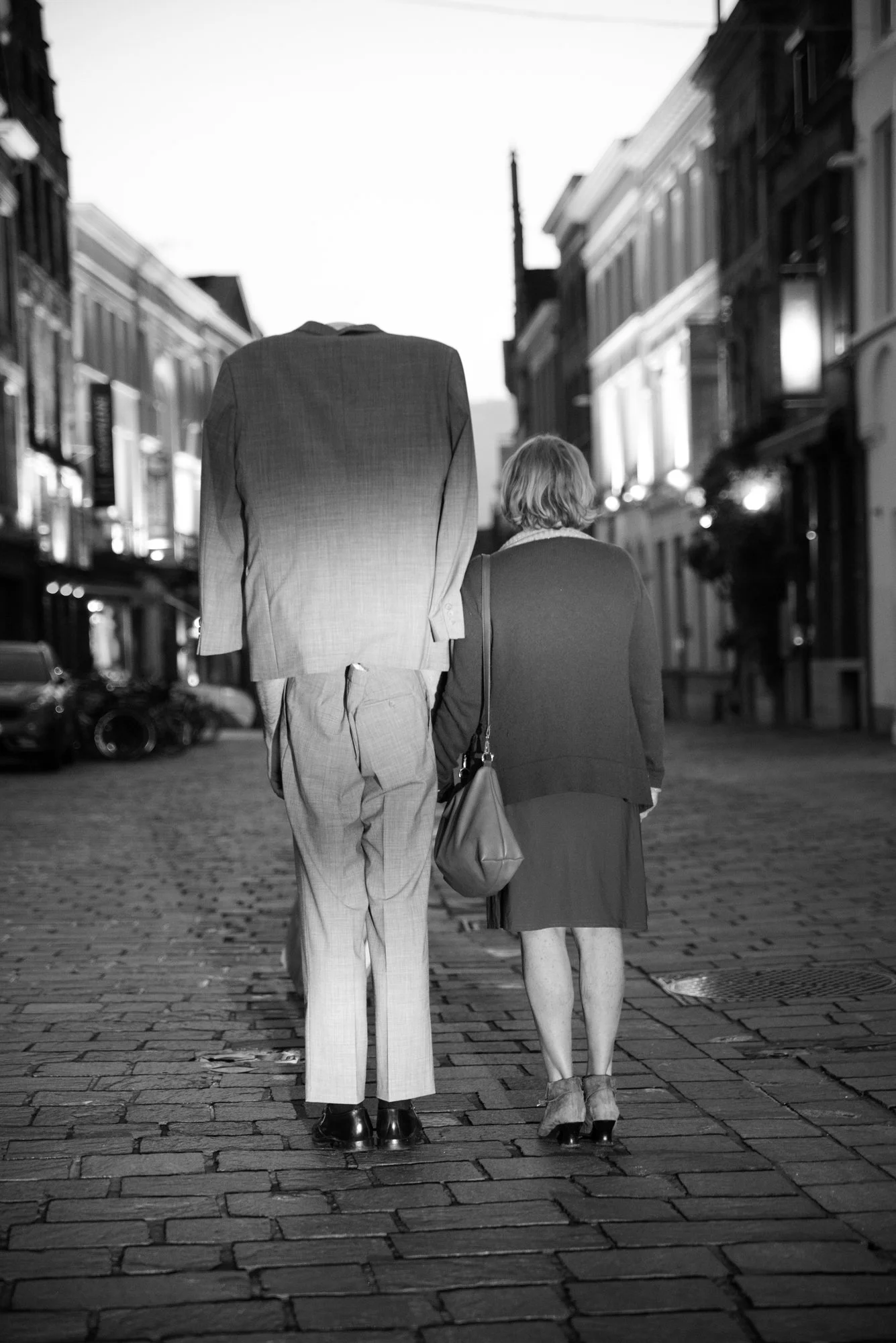
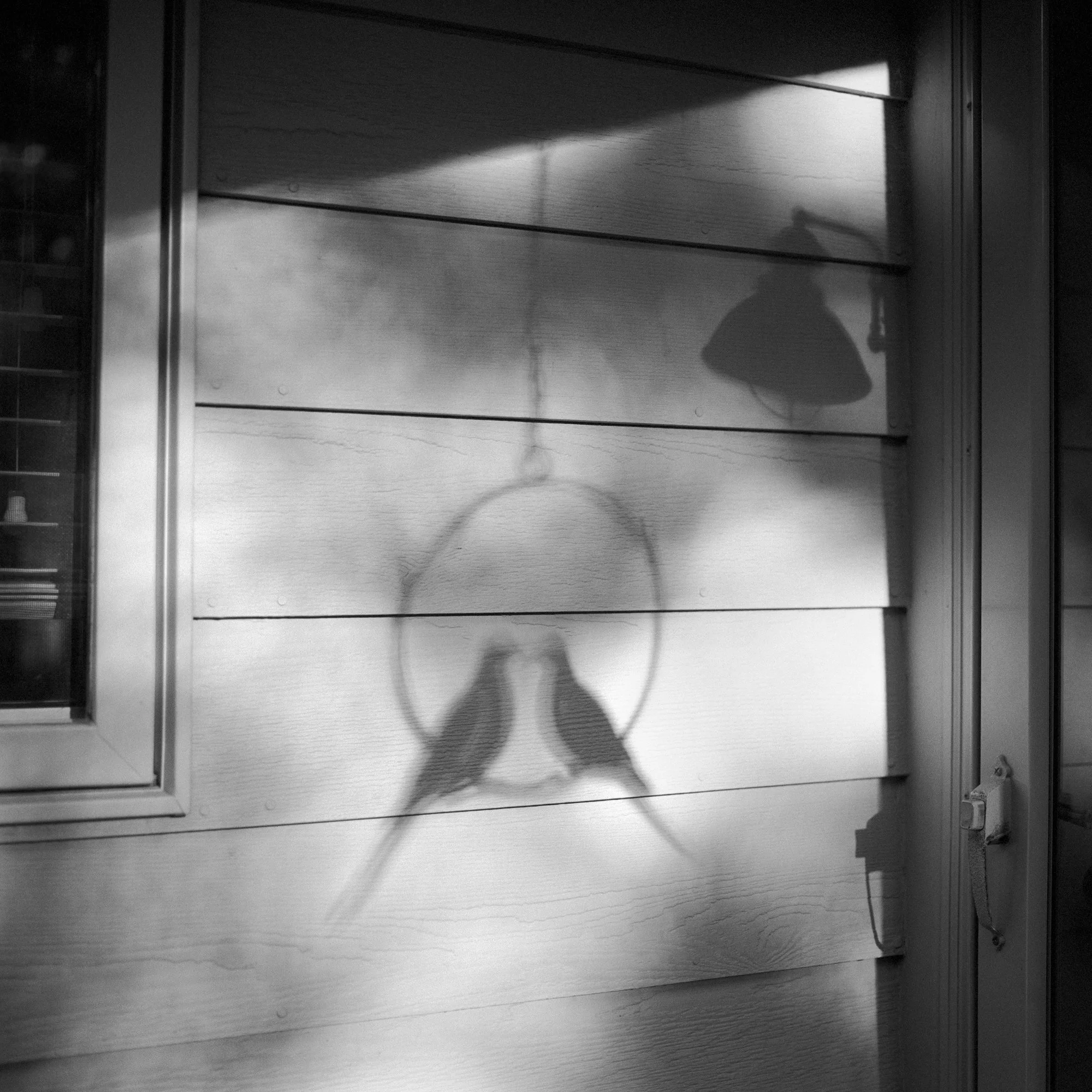
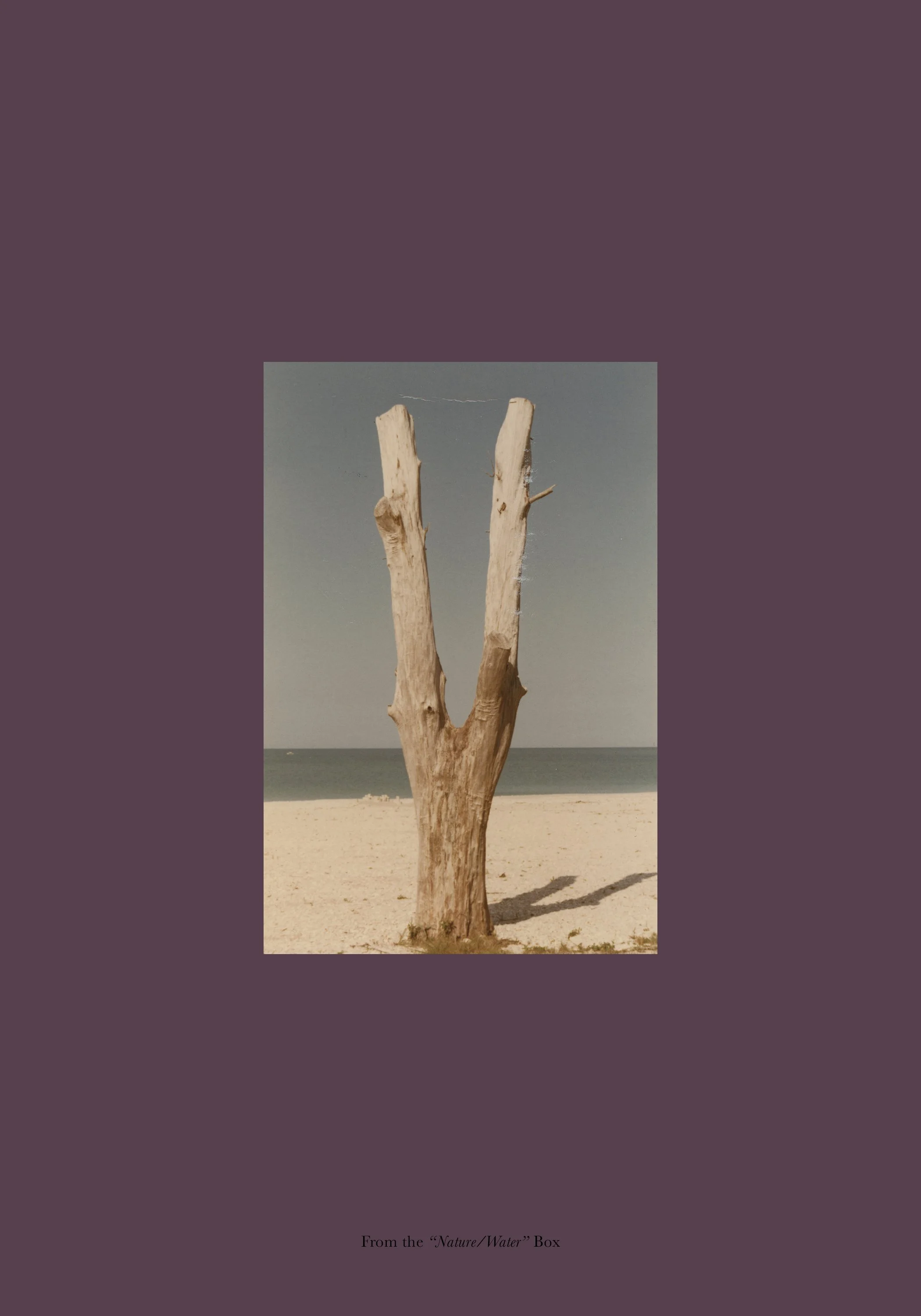
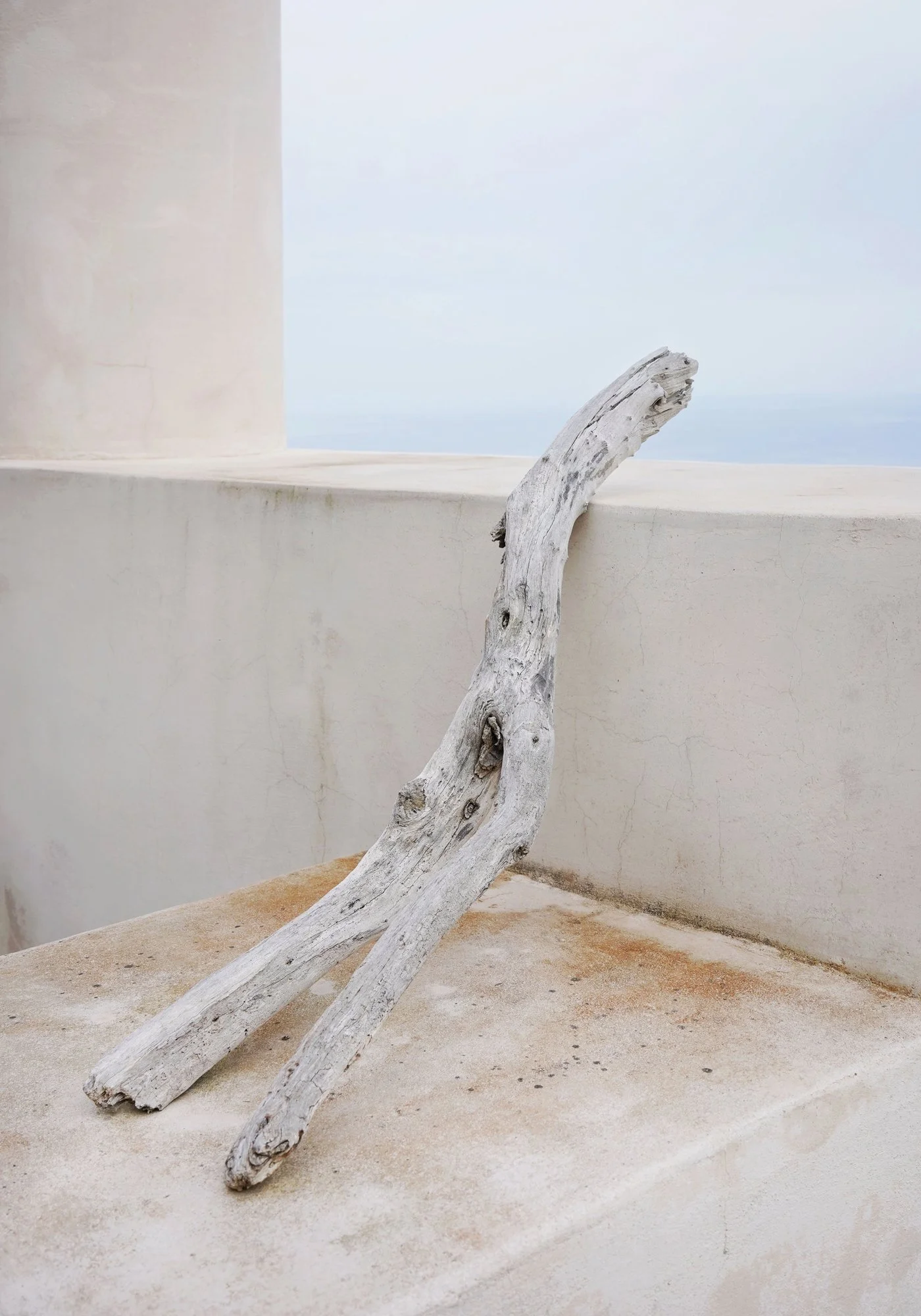
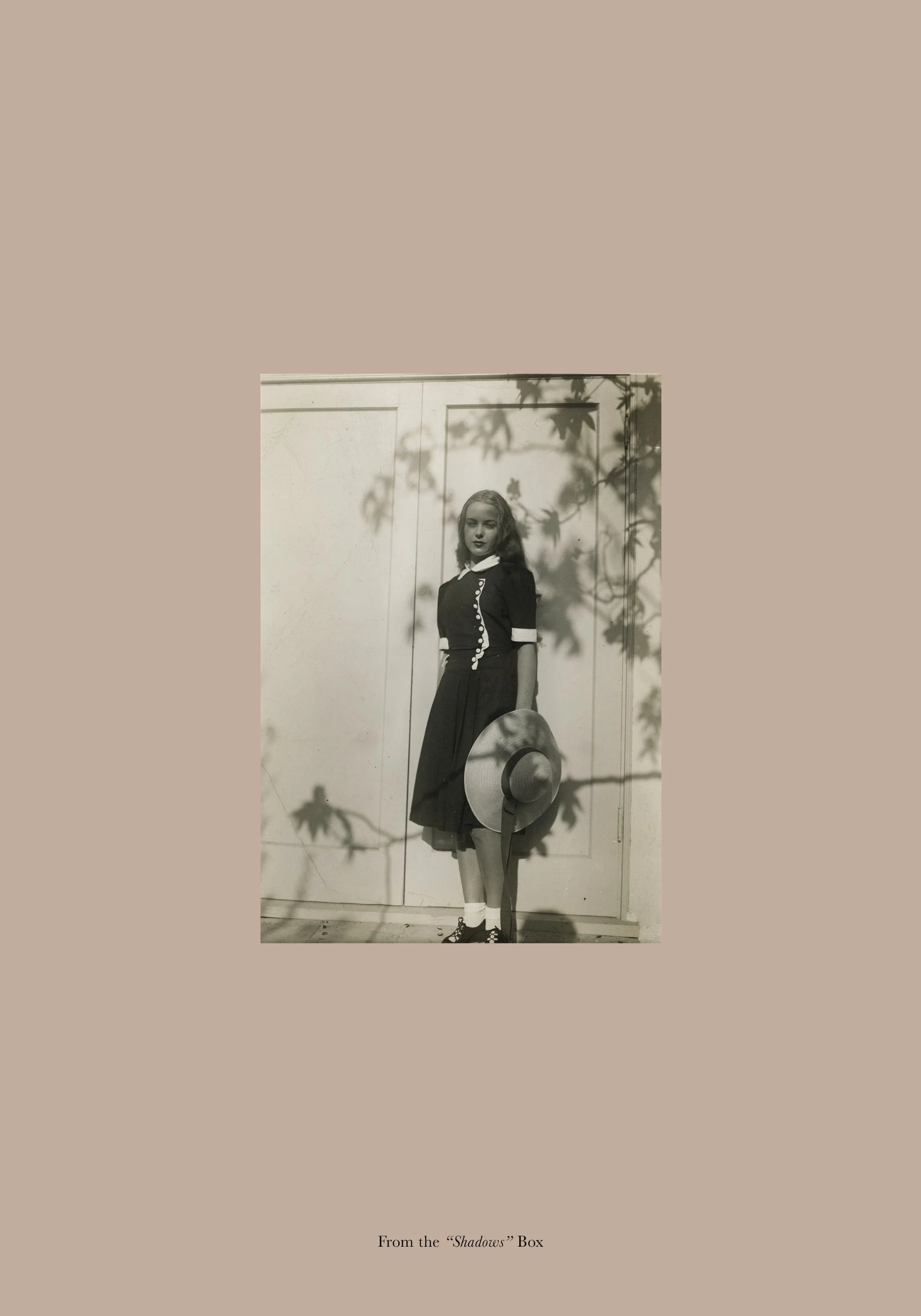
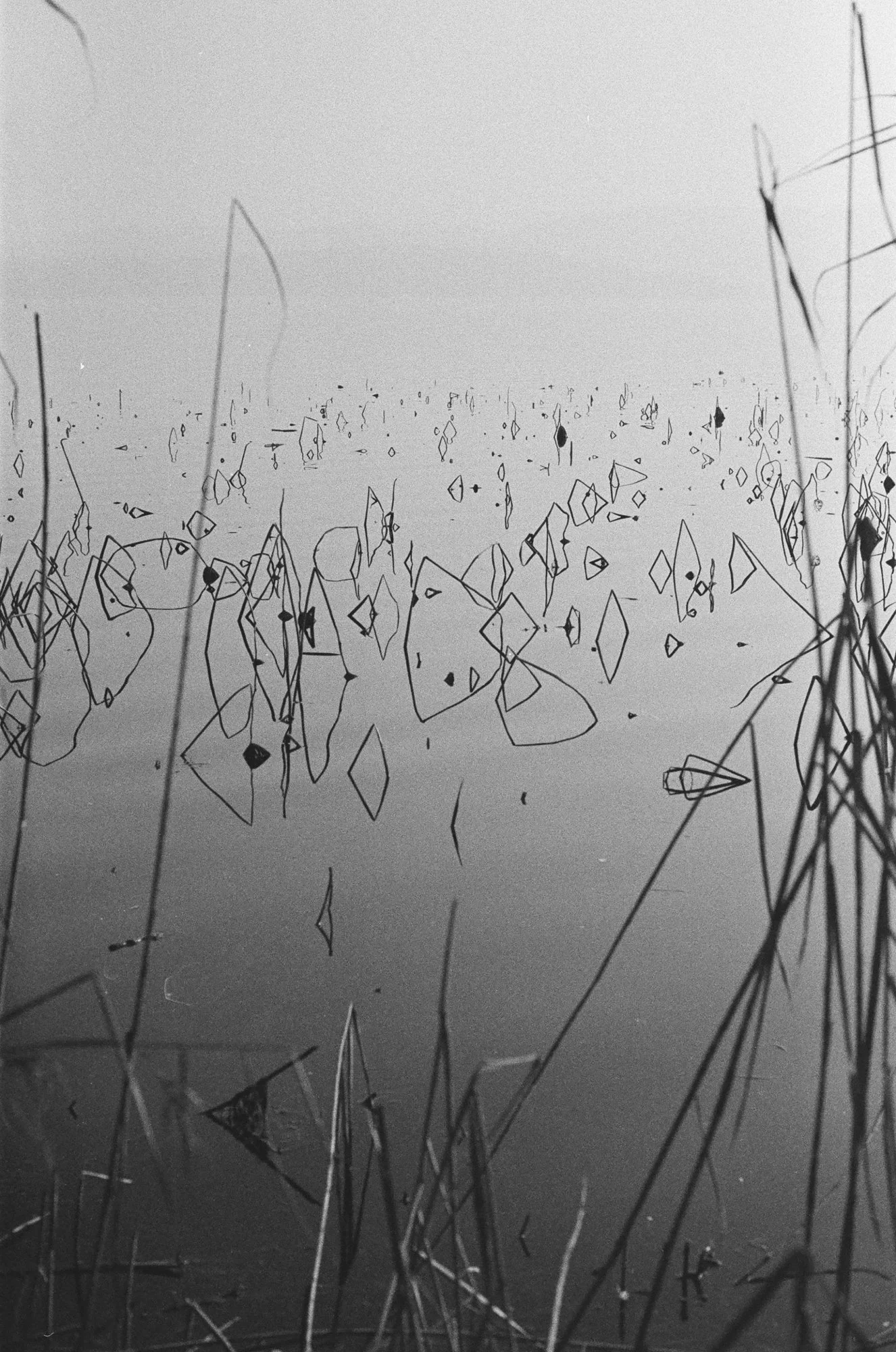
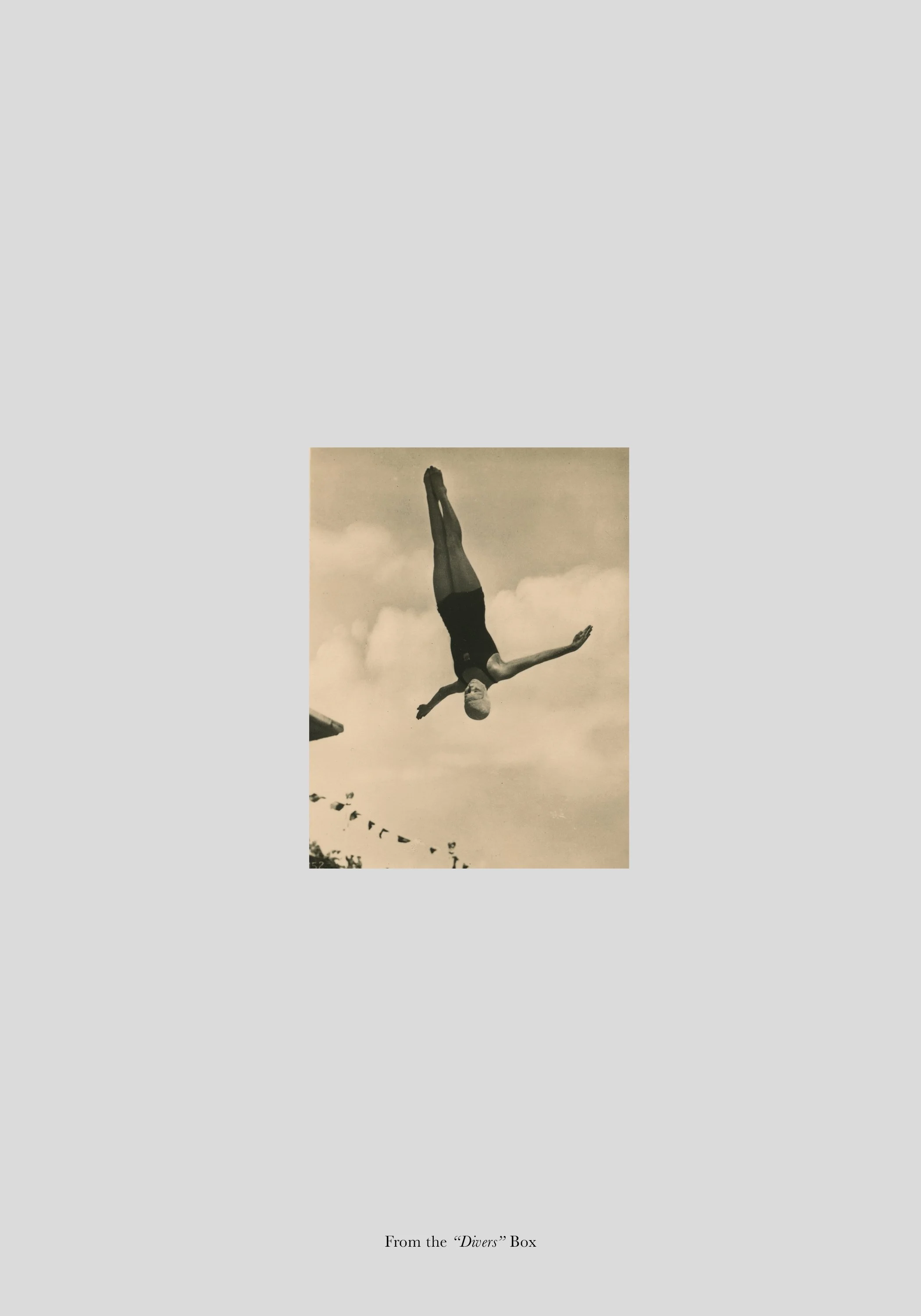
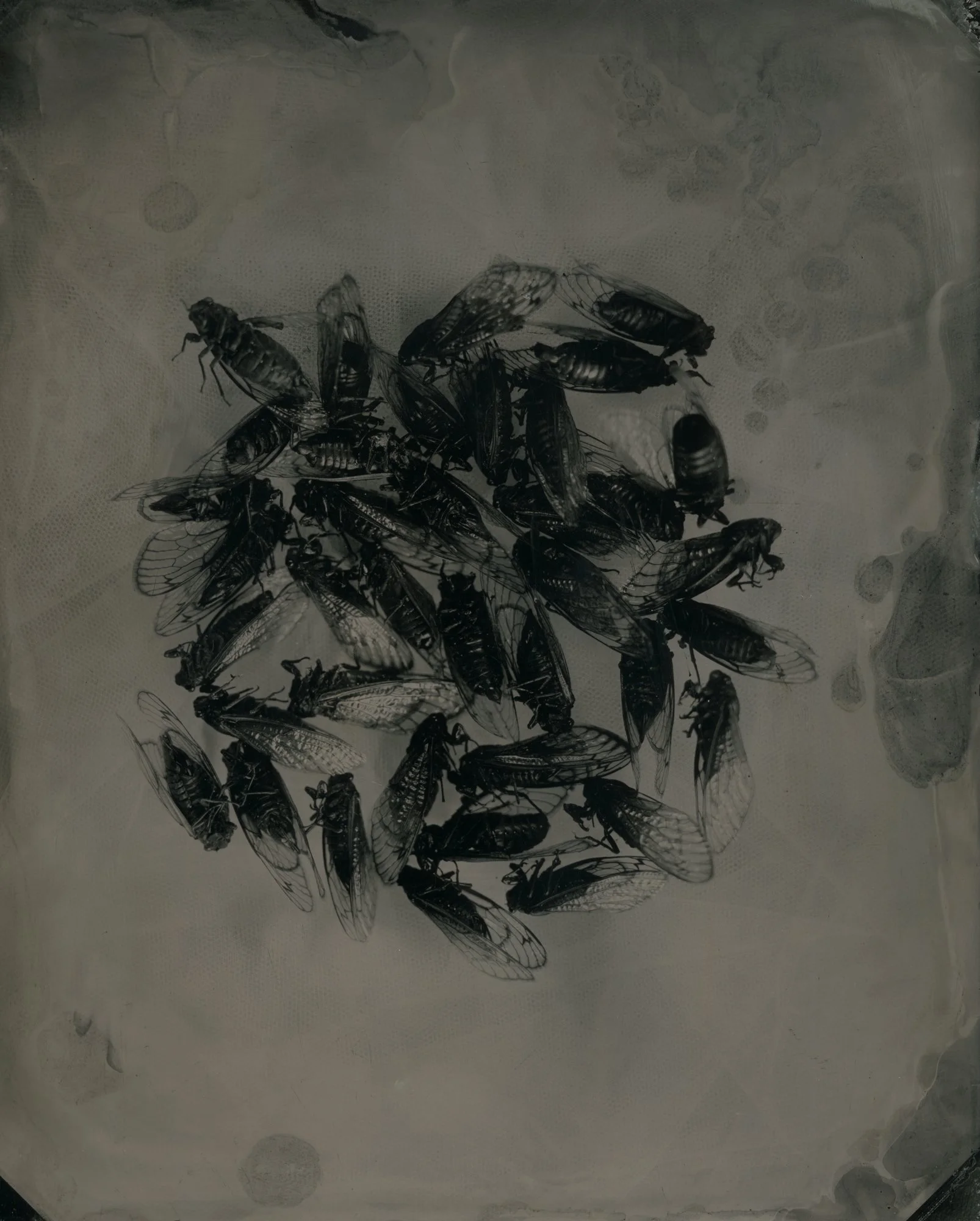
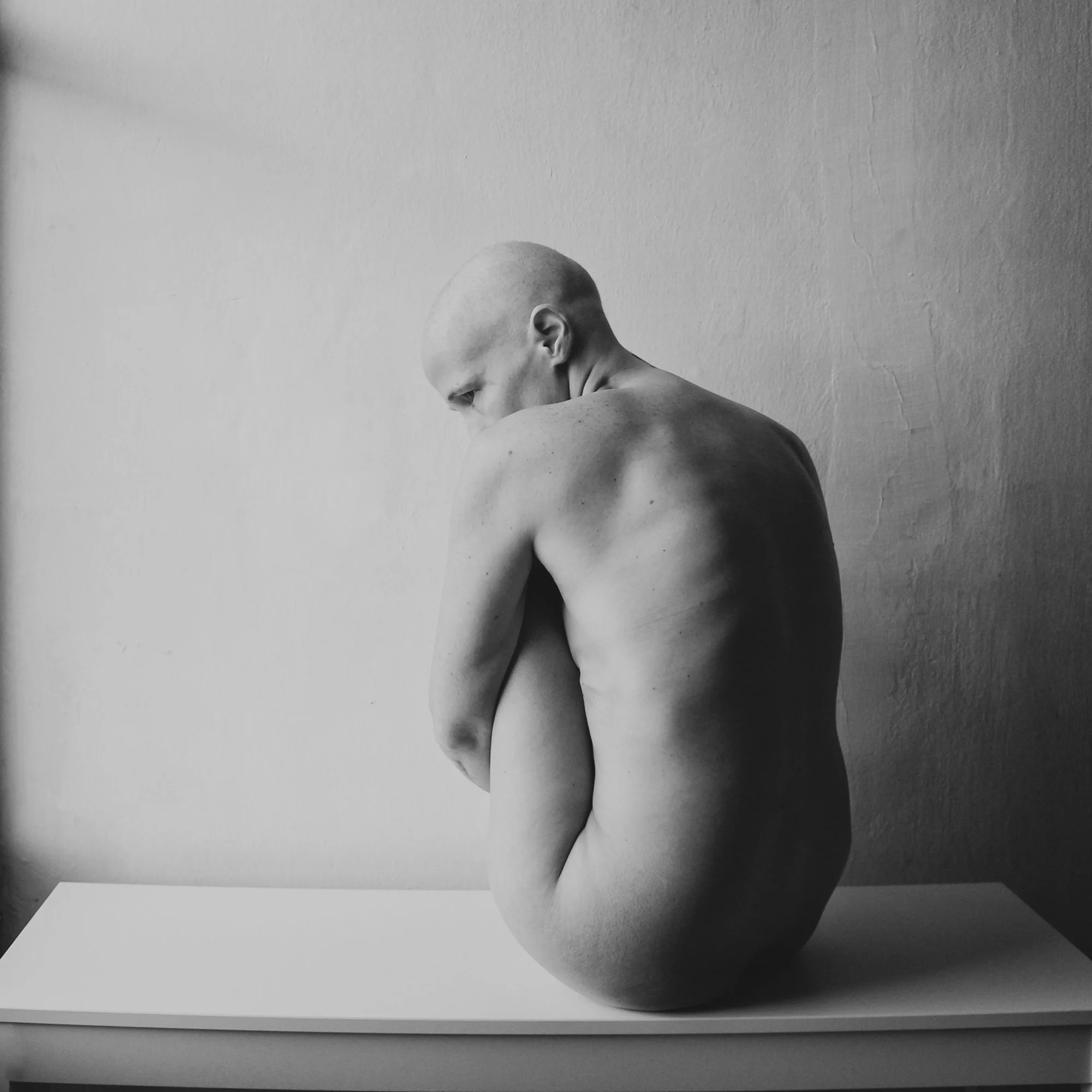
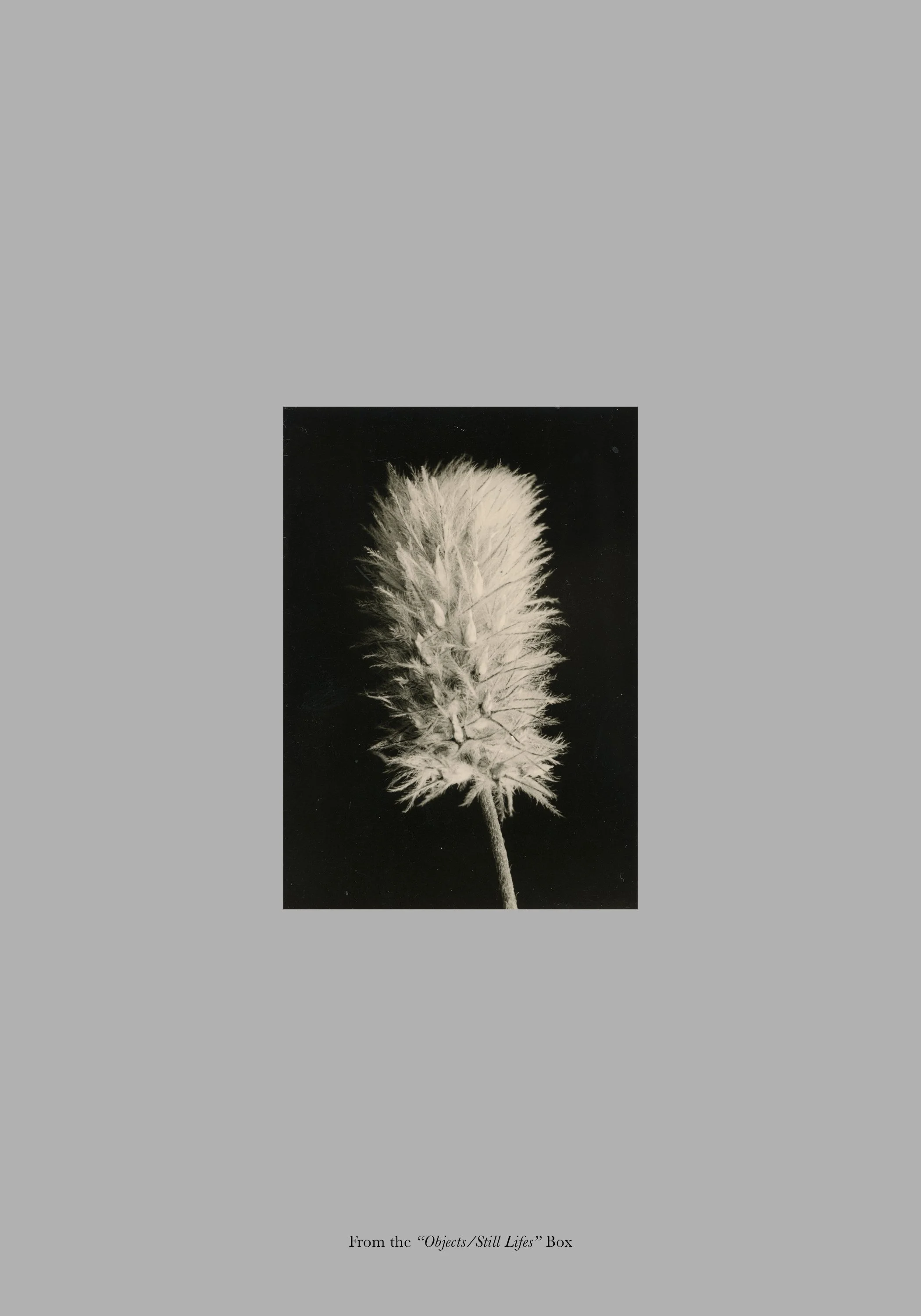
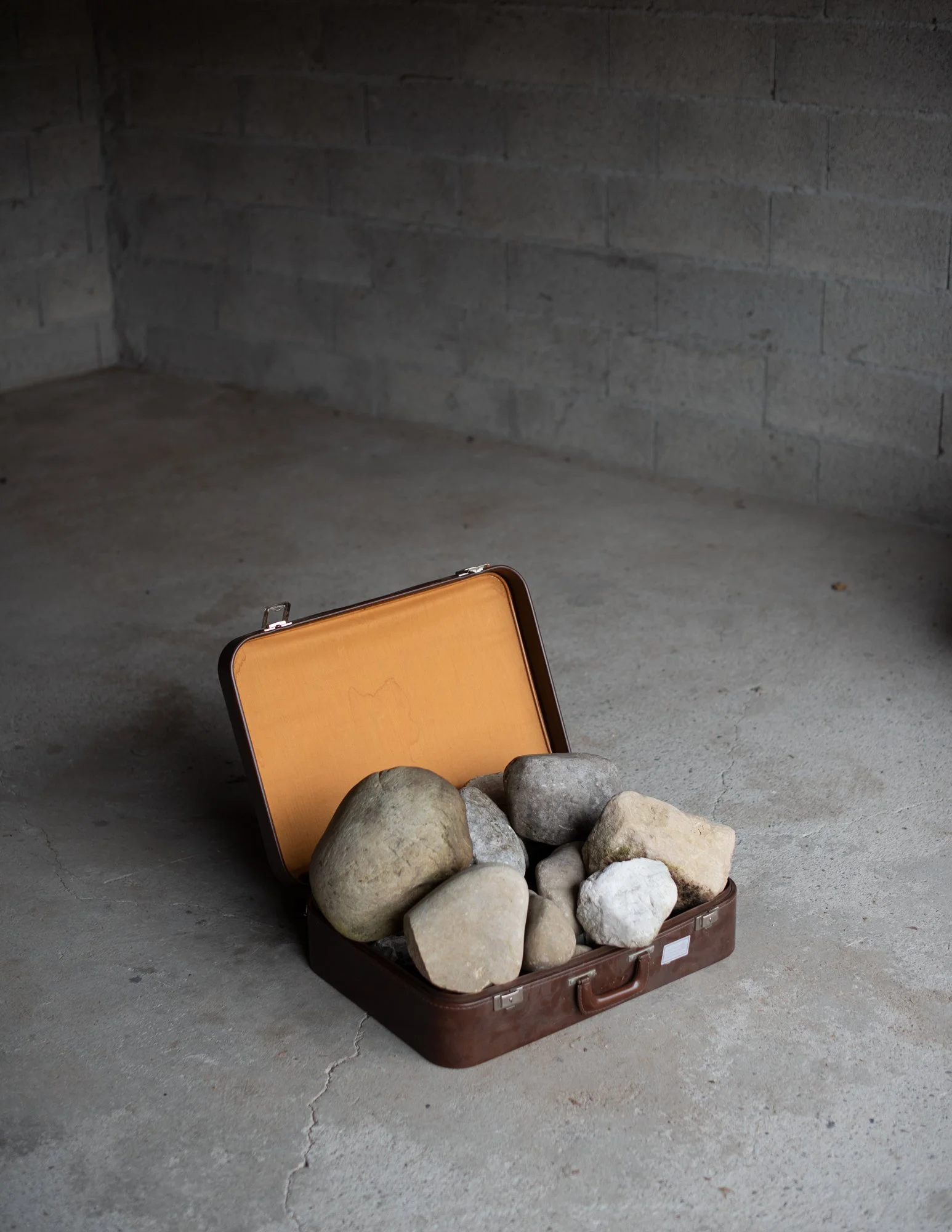

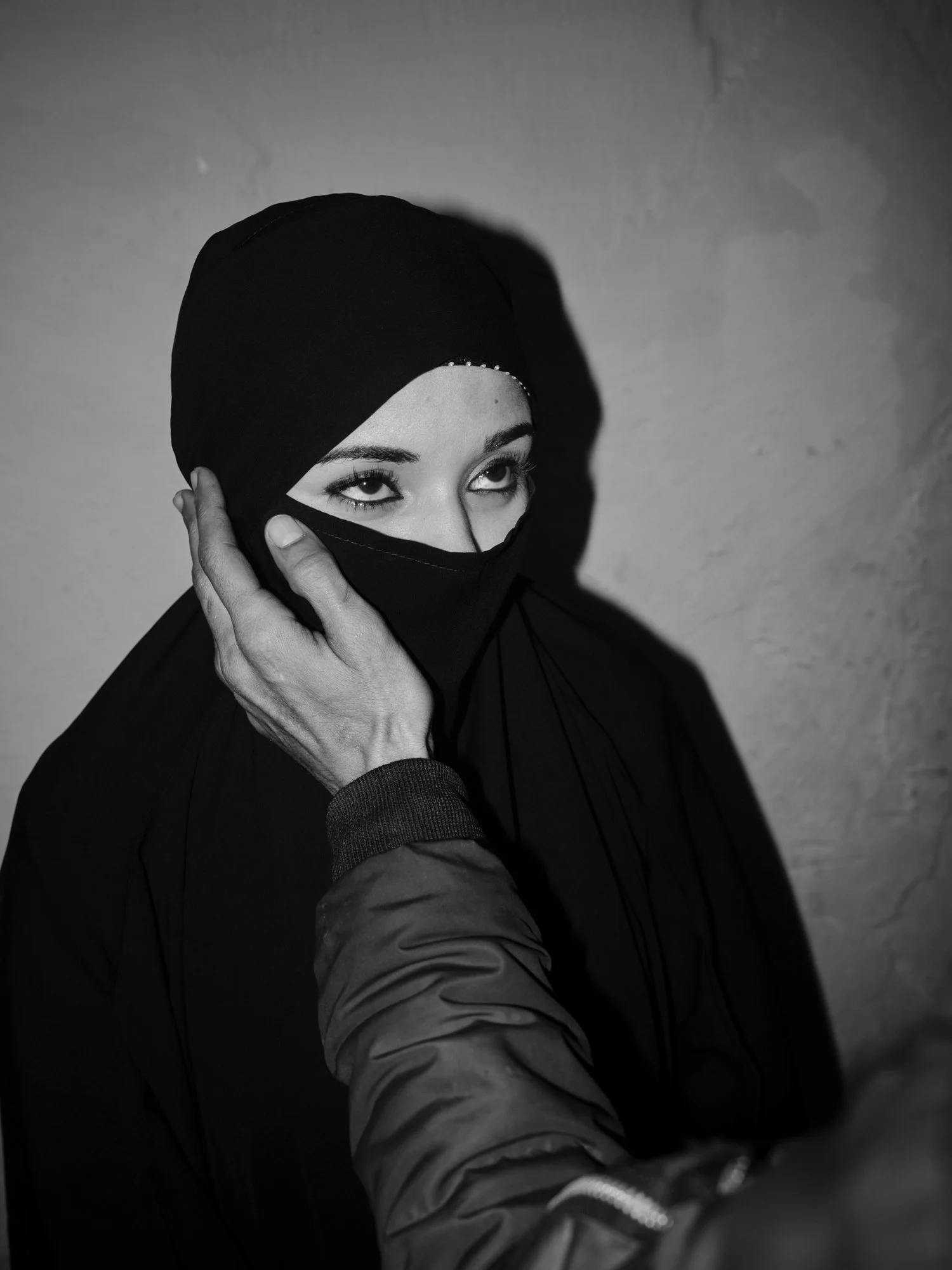
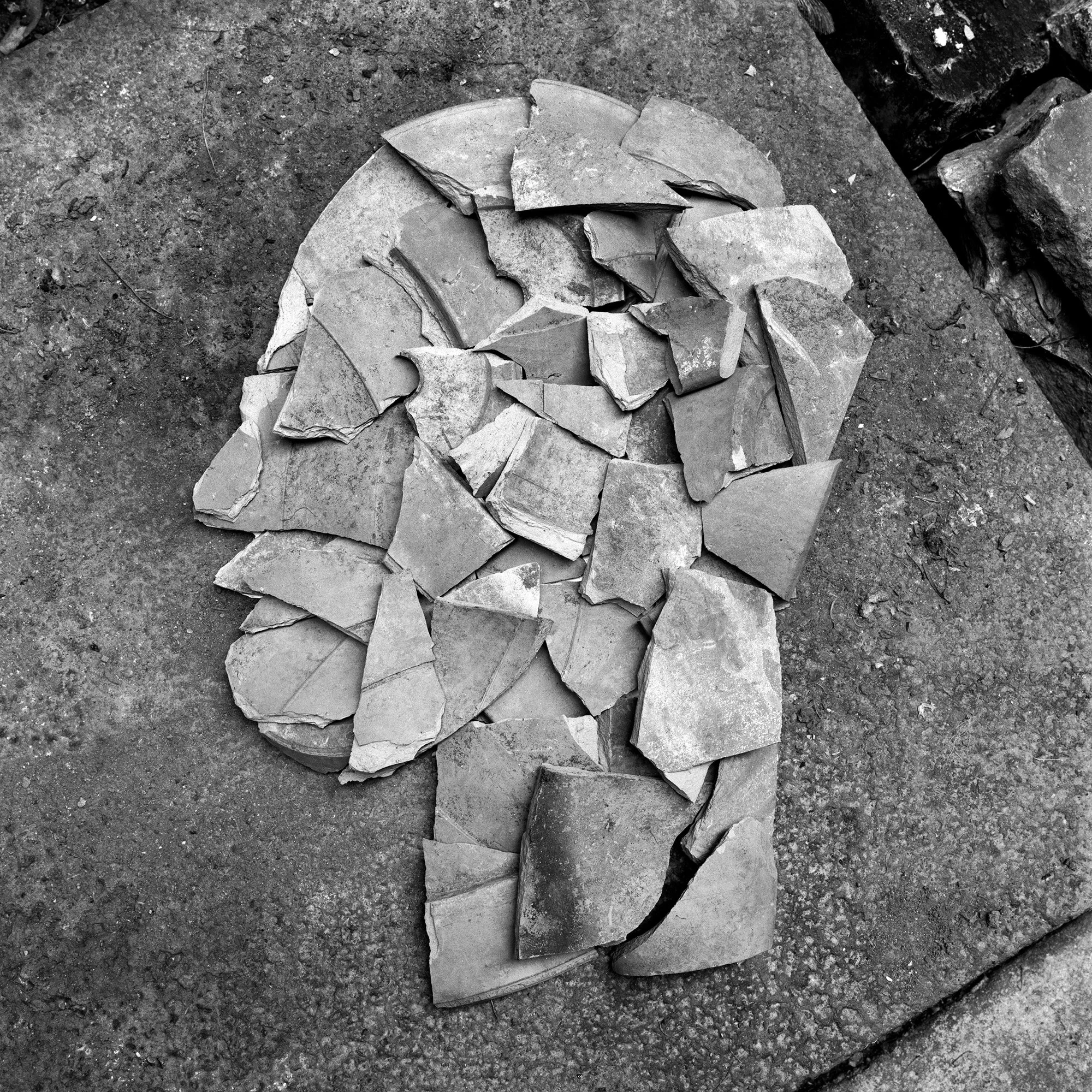
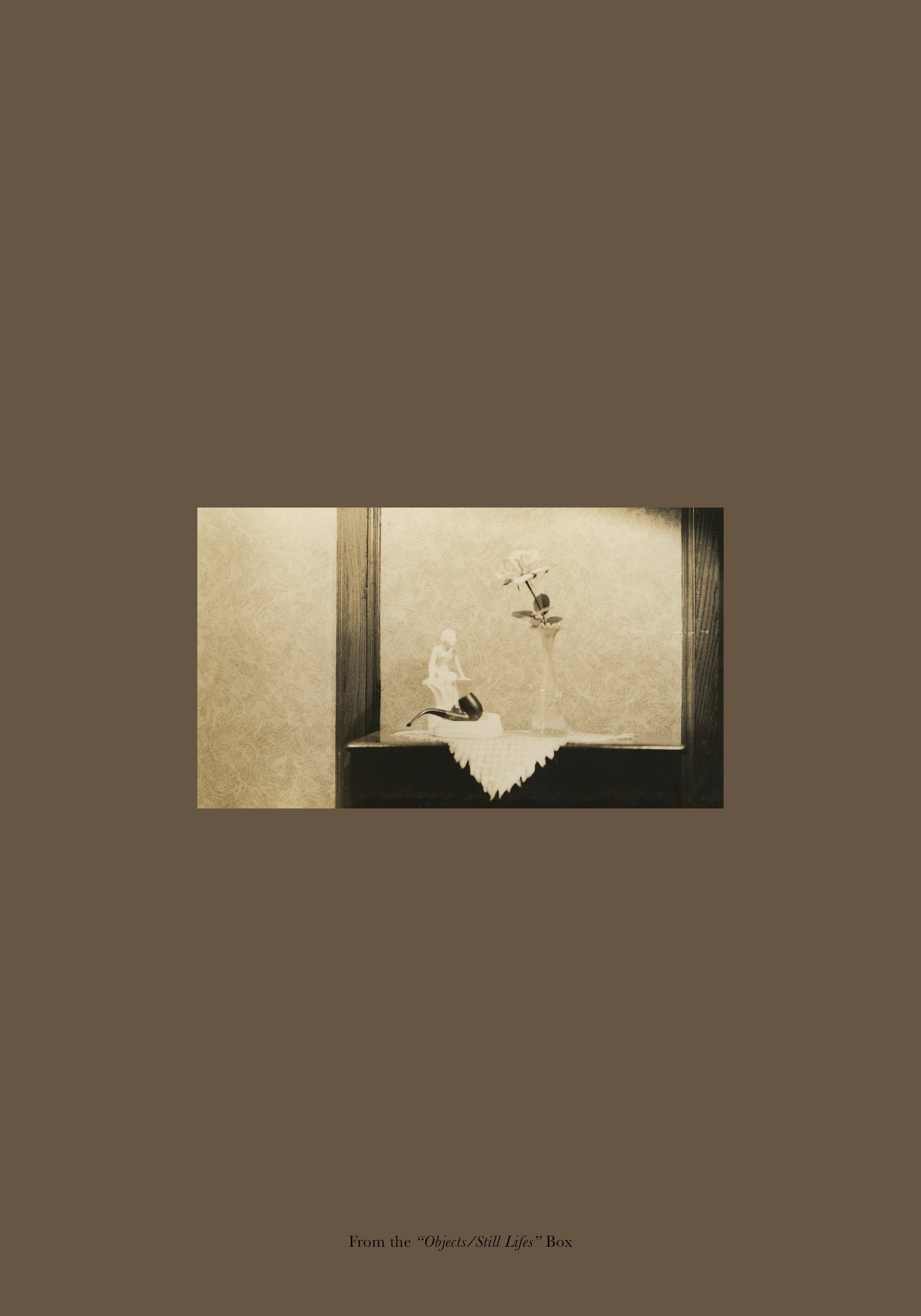
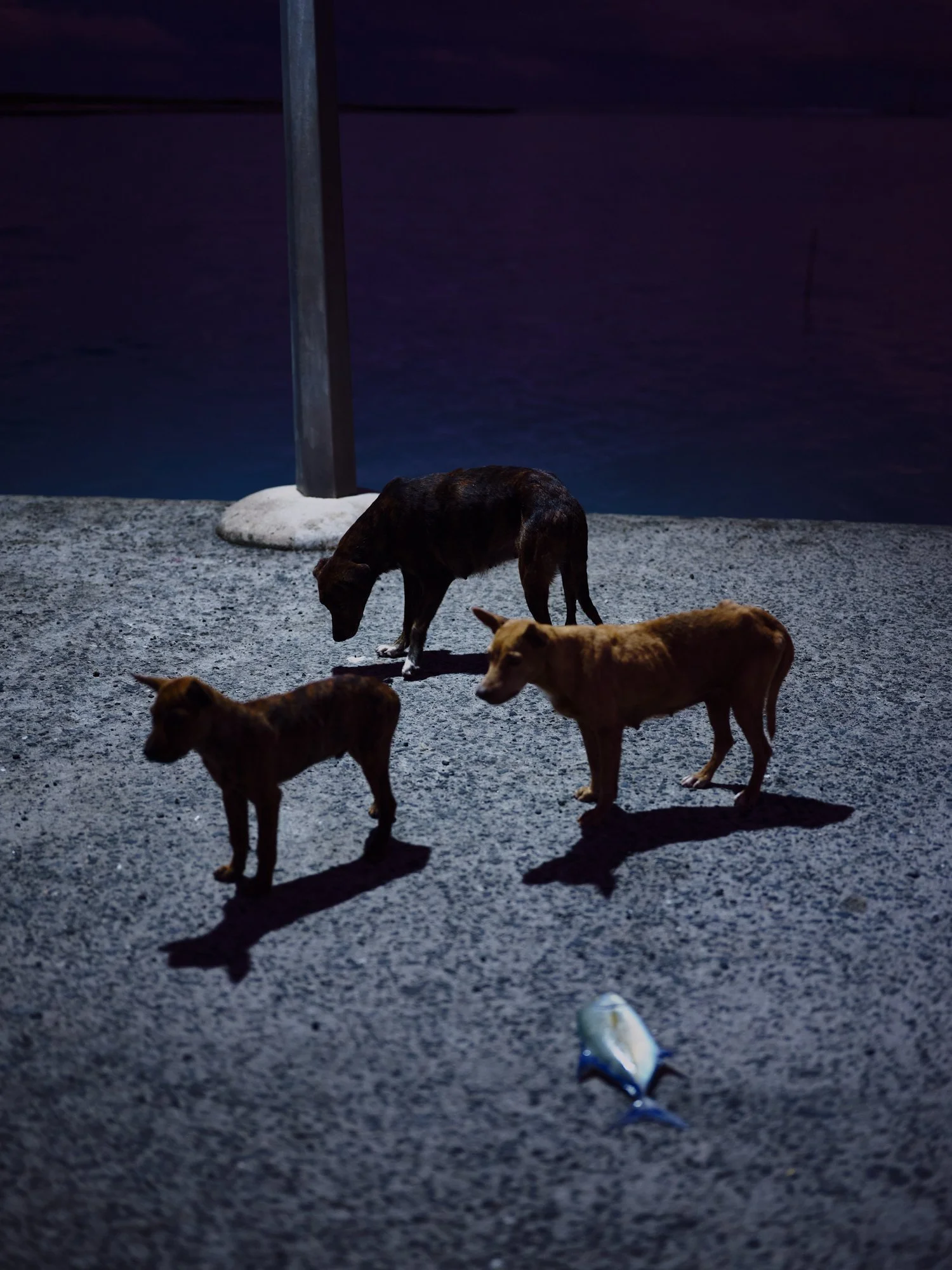
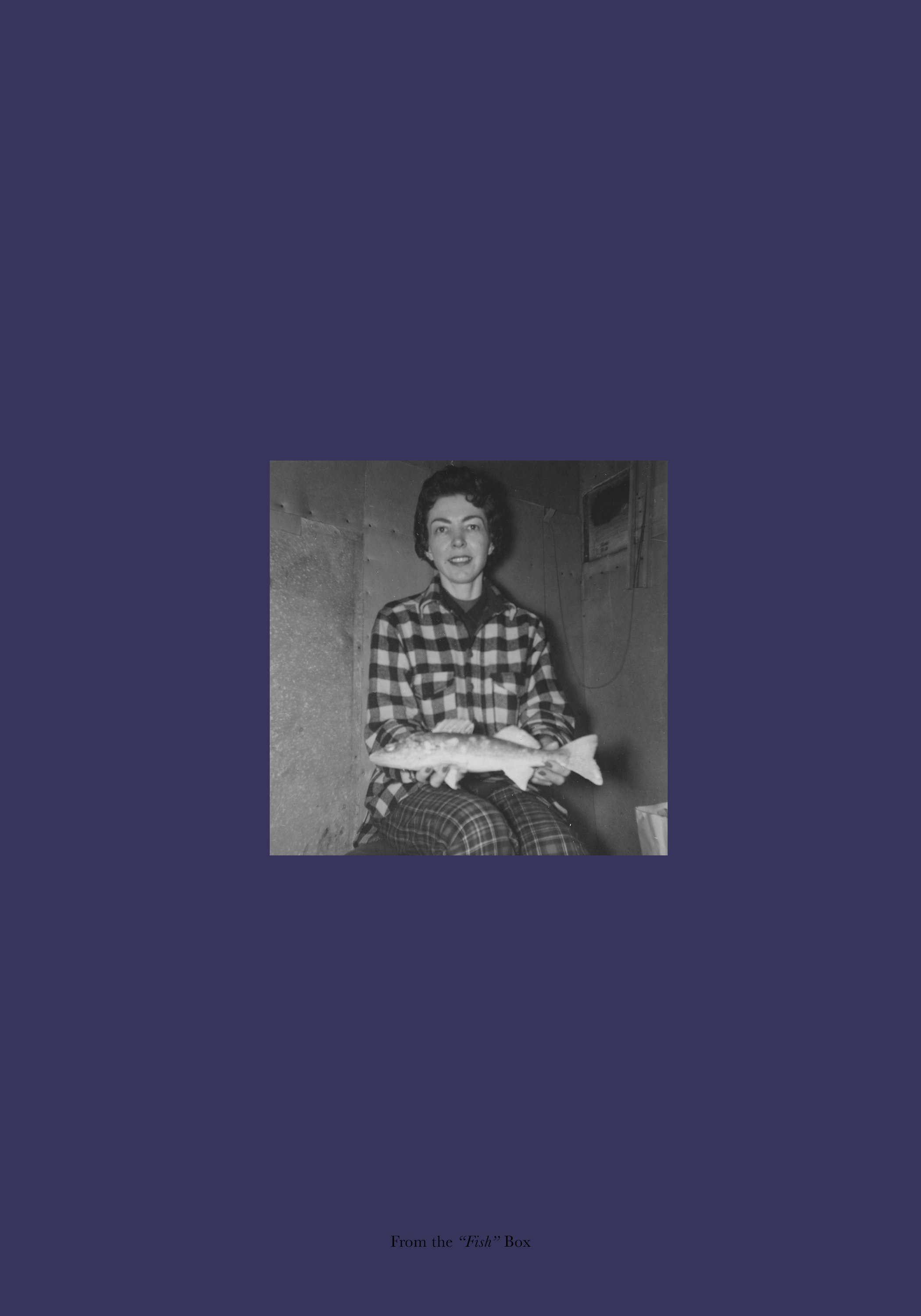

Re:collection began with a simple curiosity: what happens when today’s image-makers are placed in direct conversation with the anonymous photographers of yesterday?
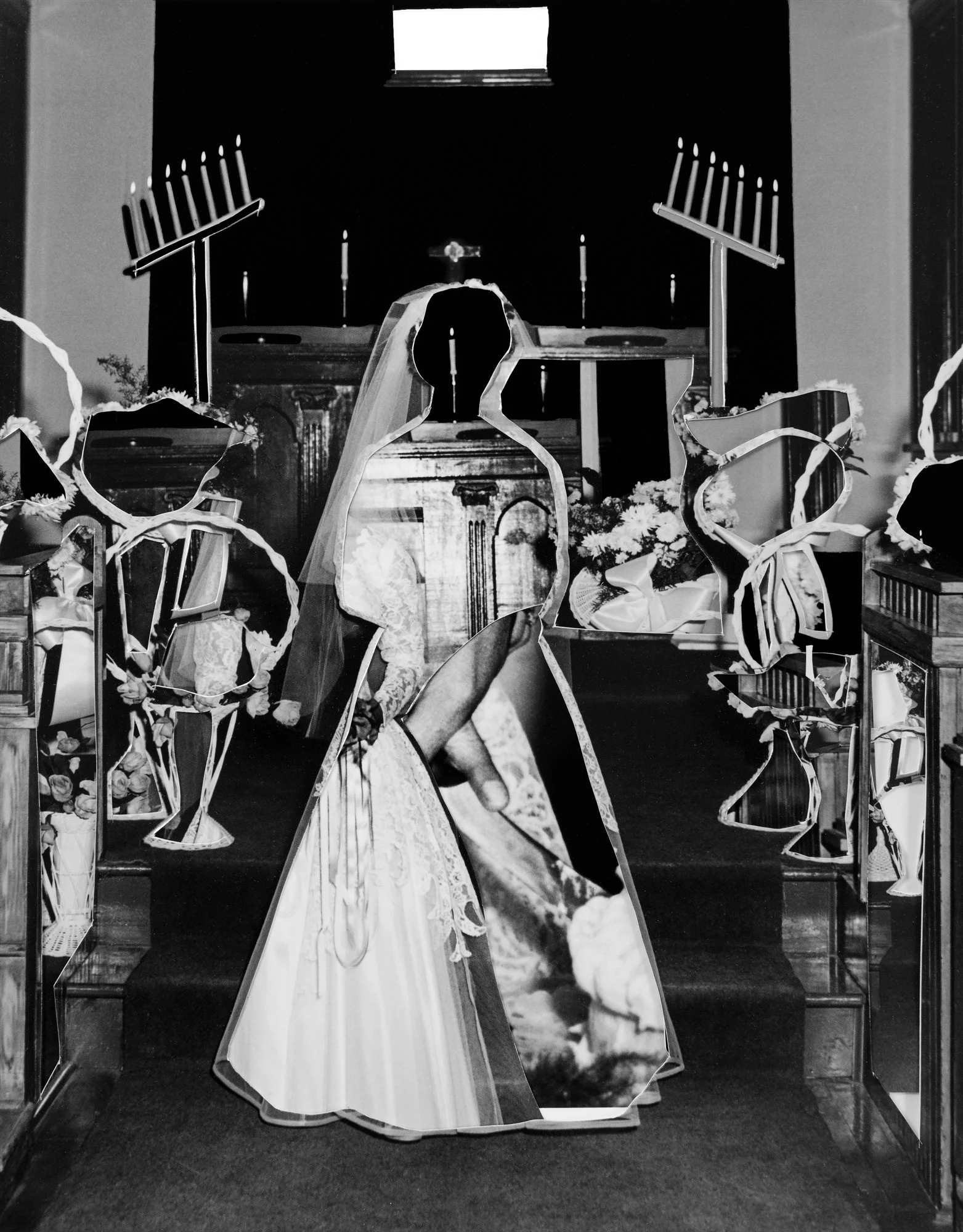
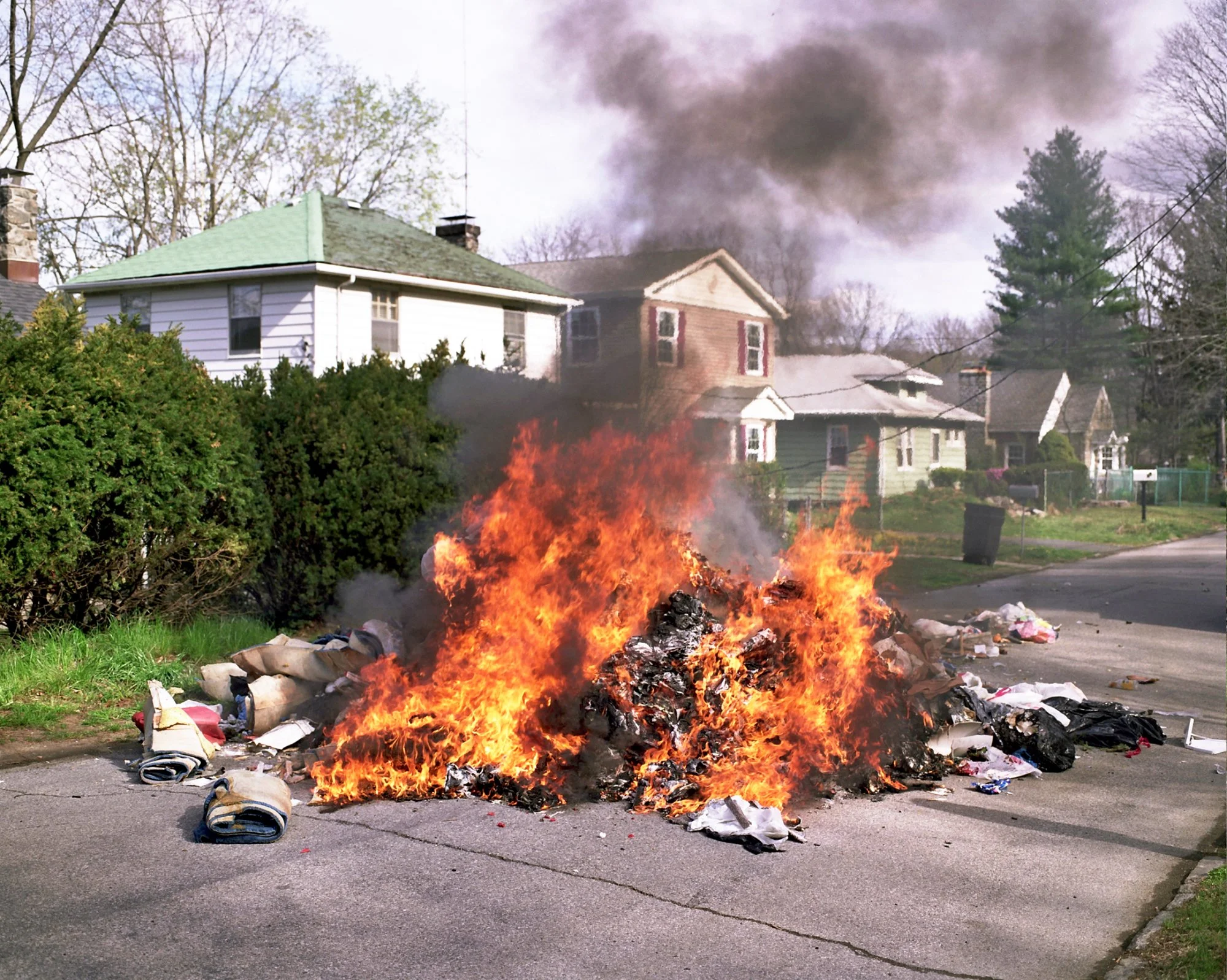
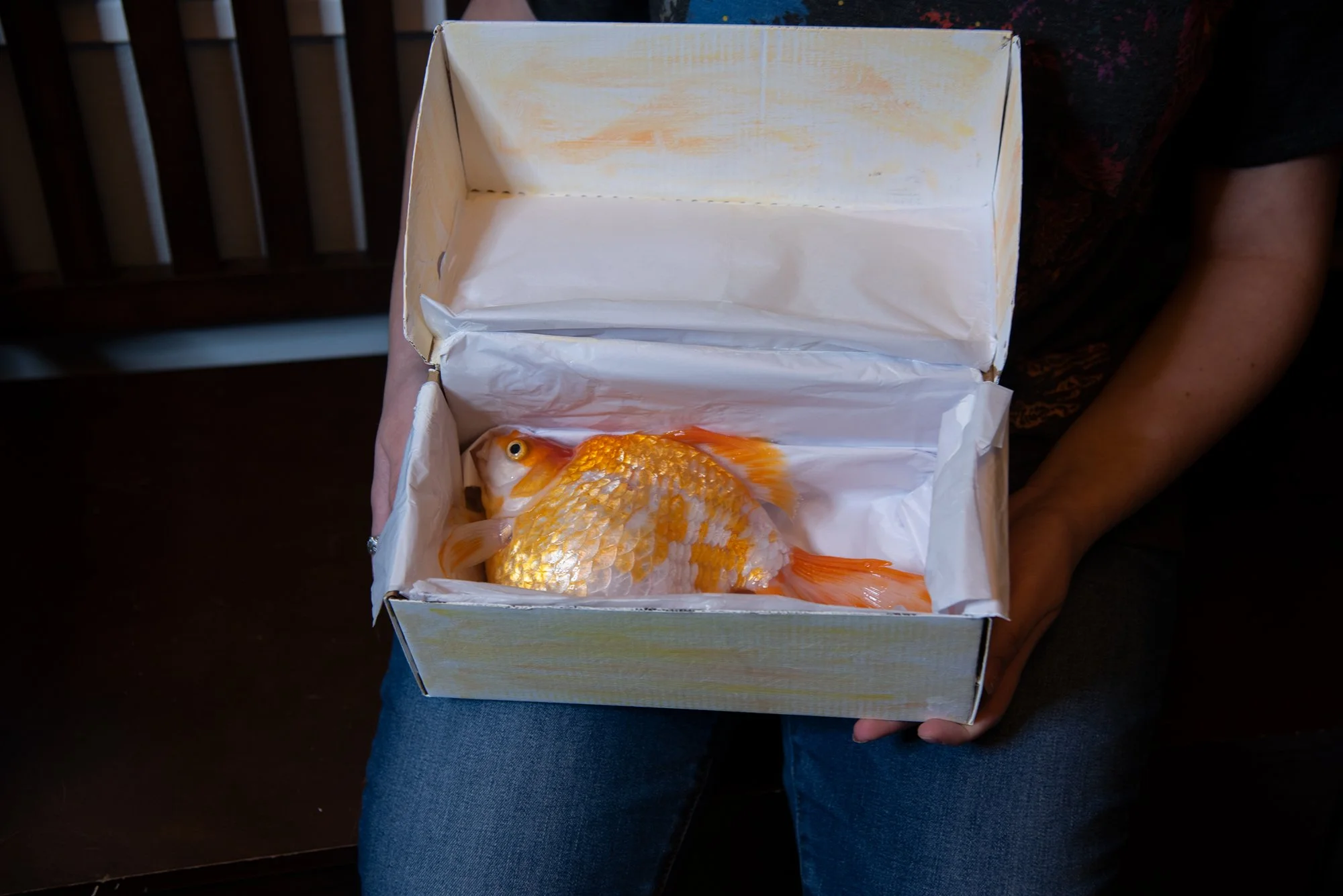
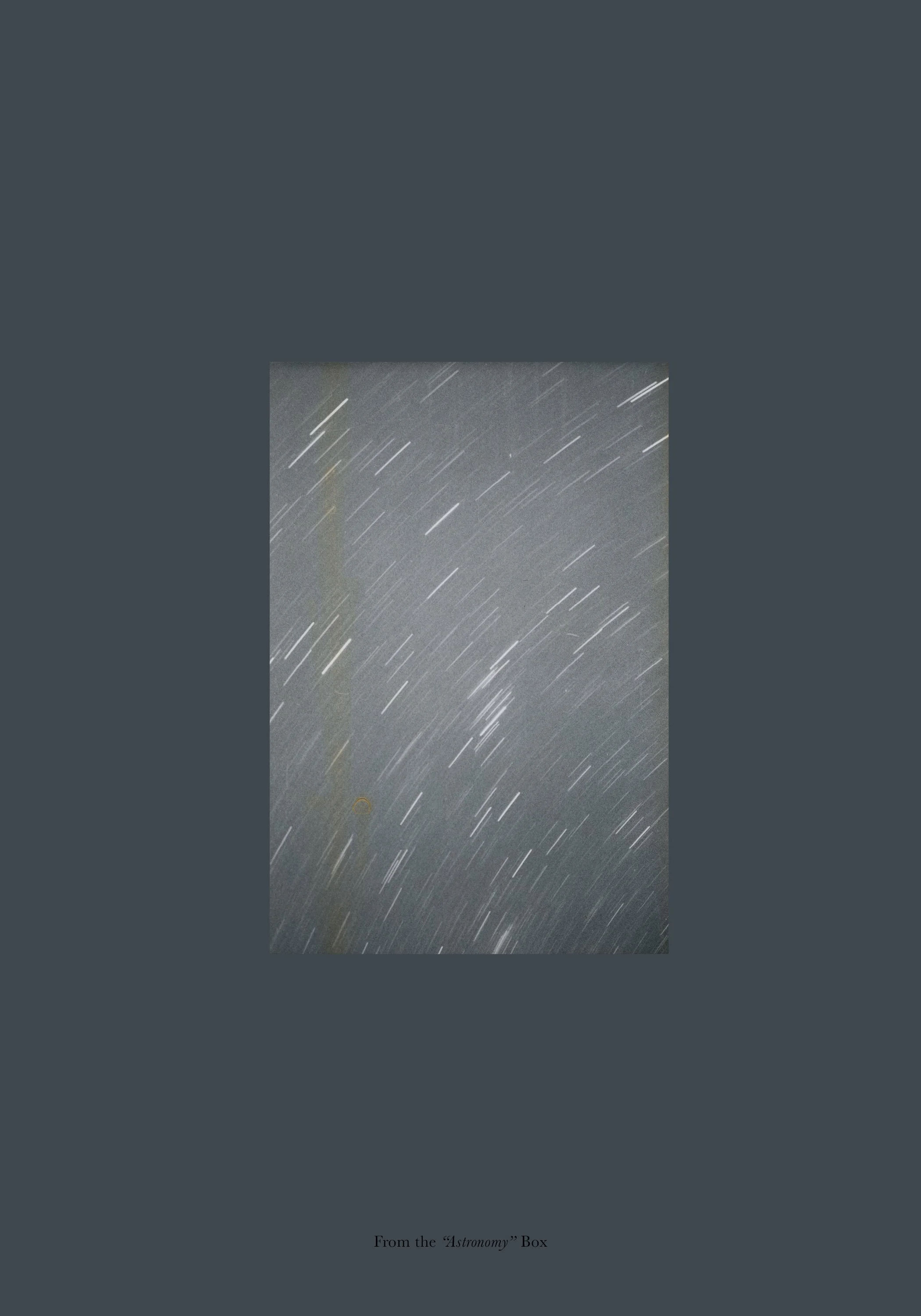
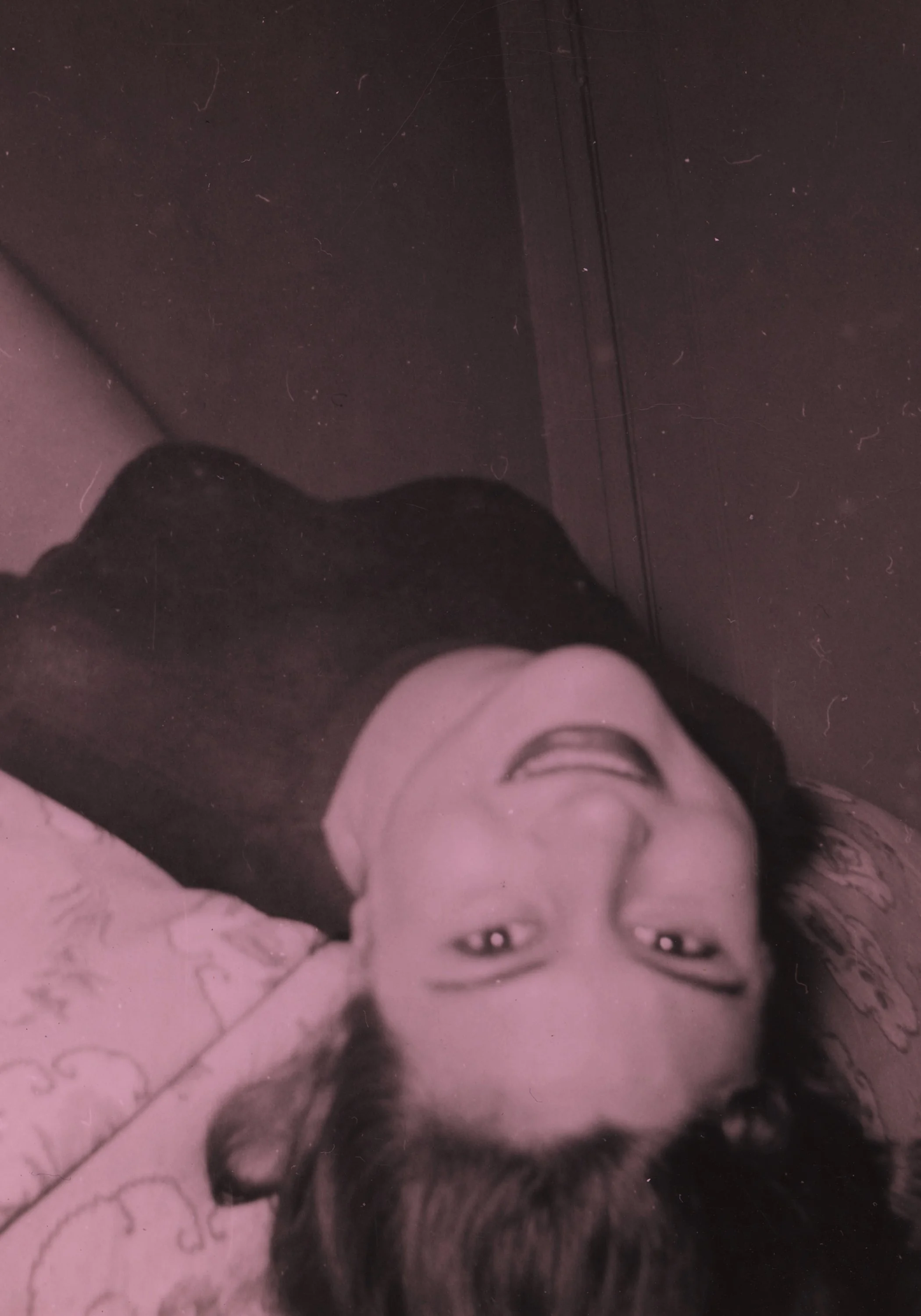
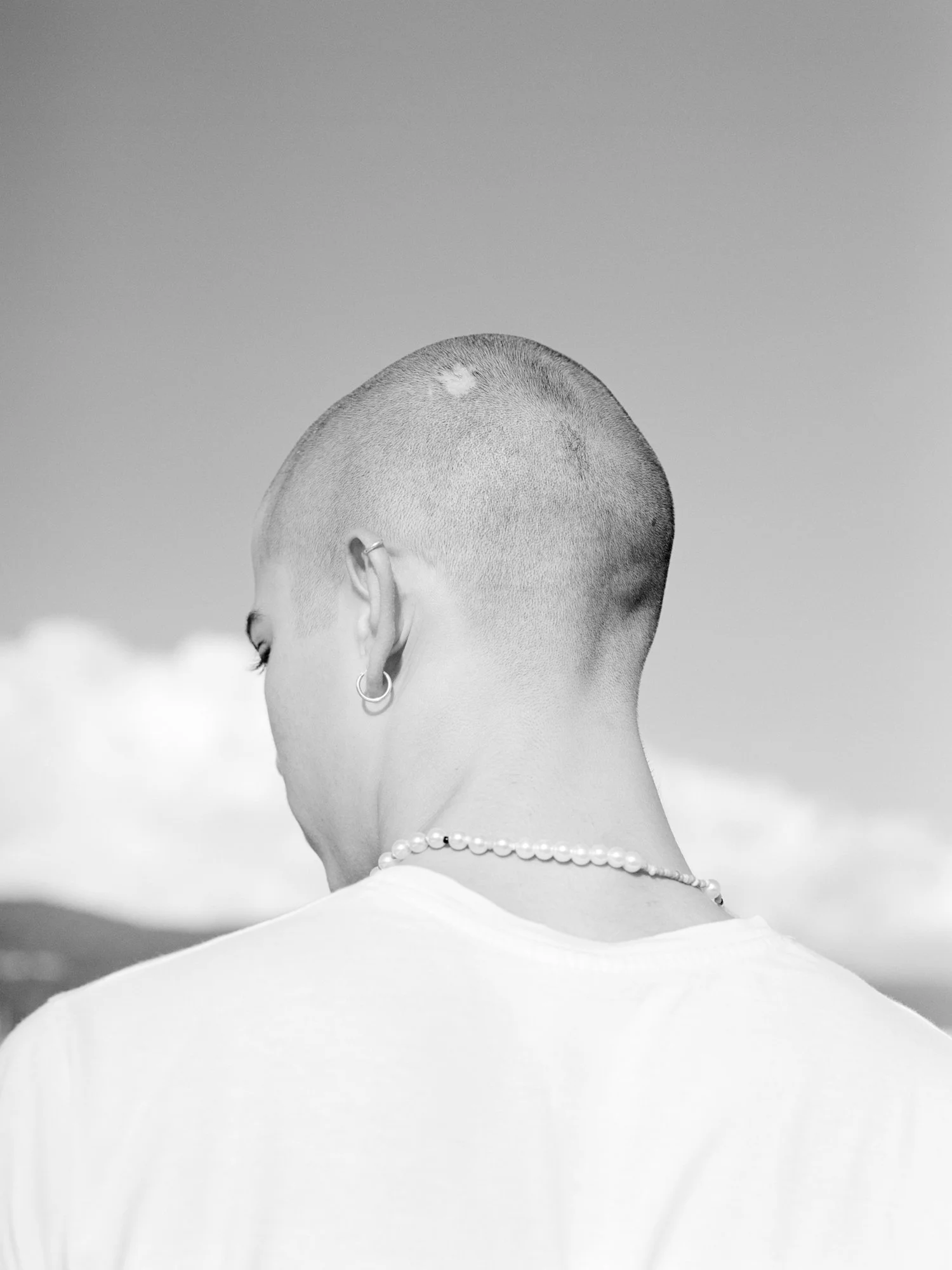
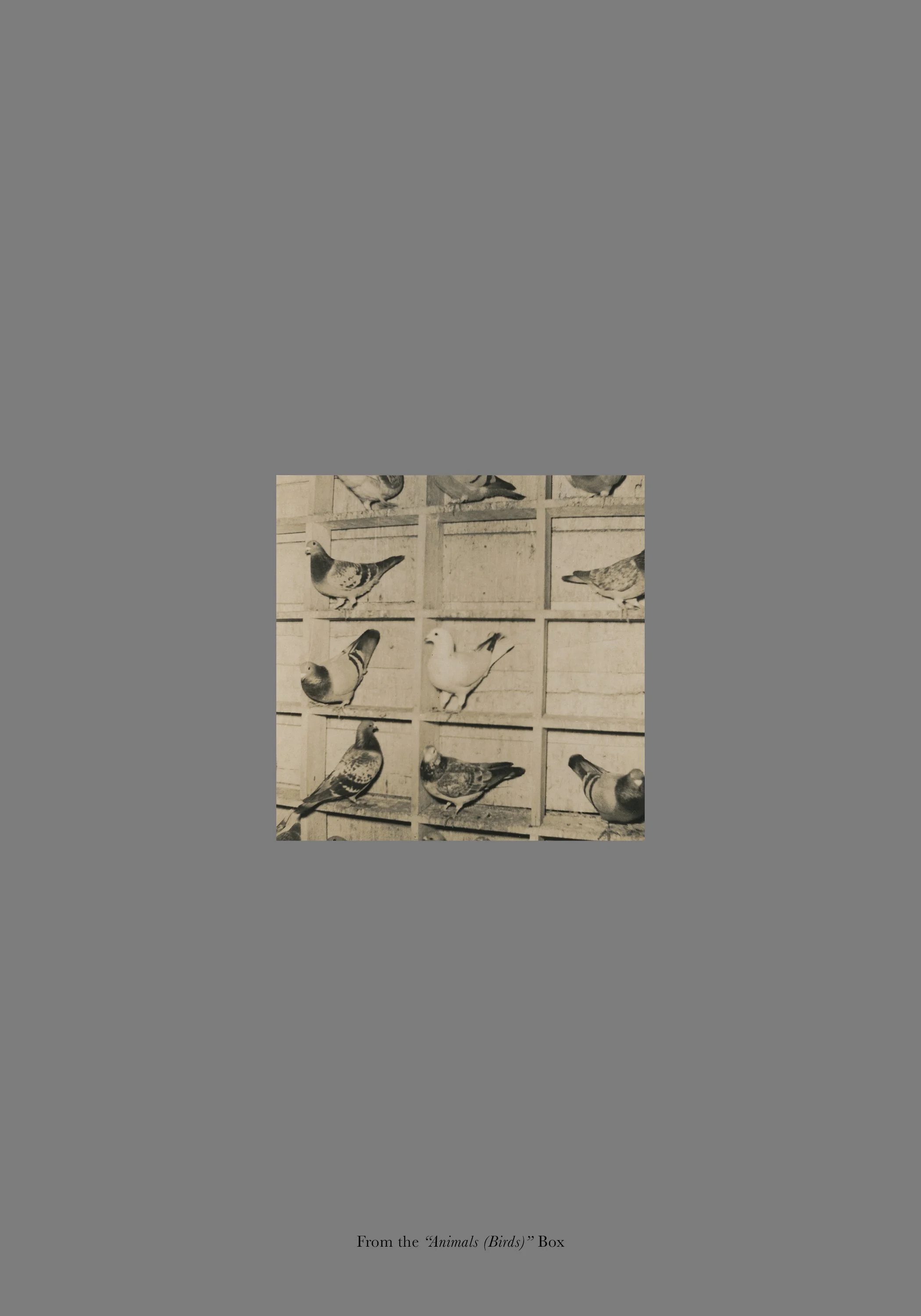
Together with the Peter J. Cohen Collection, , one of the largest private archives of vernacular photography in the United States, we set out to build a publication that doesn’t start from a pre conceived theme, but from a relationship: between images, between eras, between ways of seeing. Instead of asking artists to respond to a specific topic, we asked them to send us the work they are already making now. The shape of this magazine emerges from what happens next, in the curation between those new photographs and the vast history of Cohen’s archive.
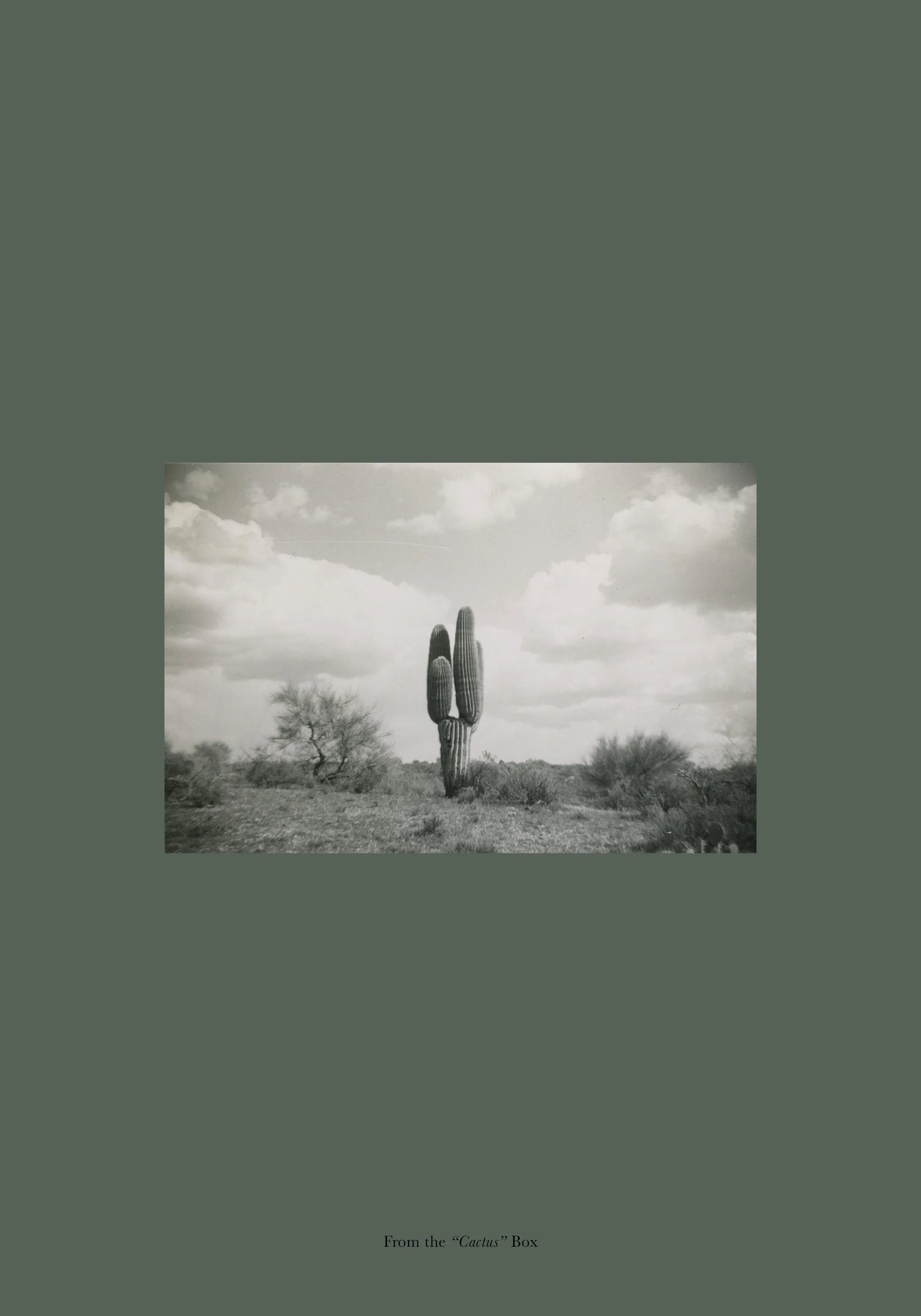
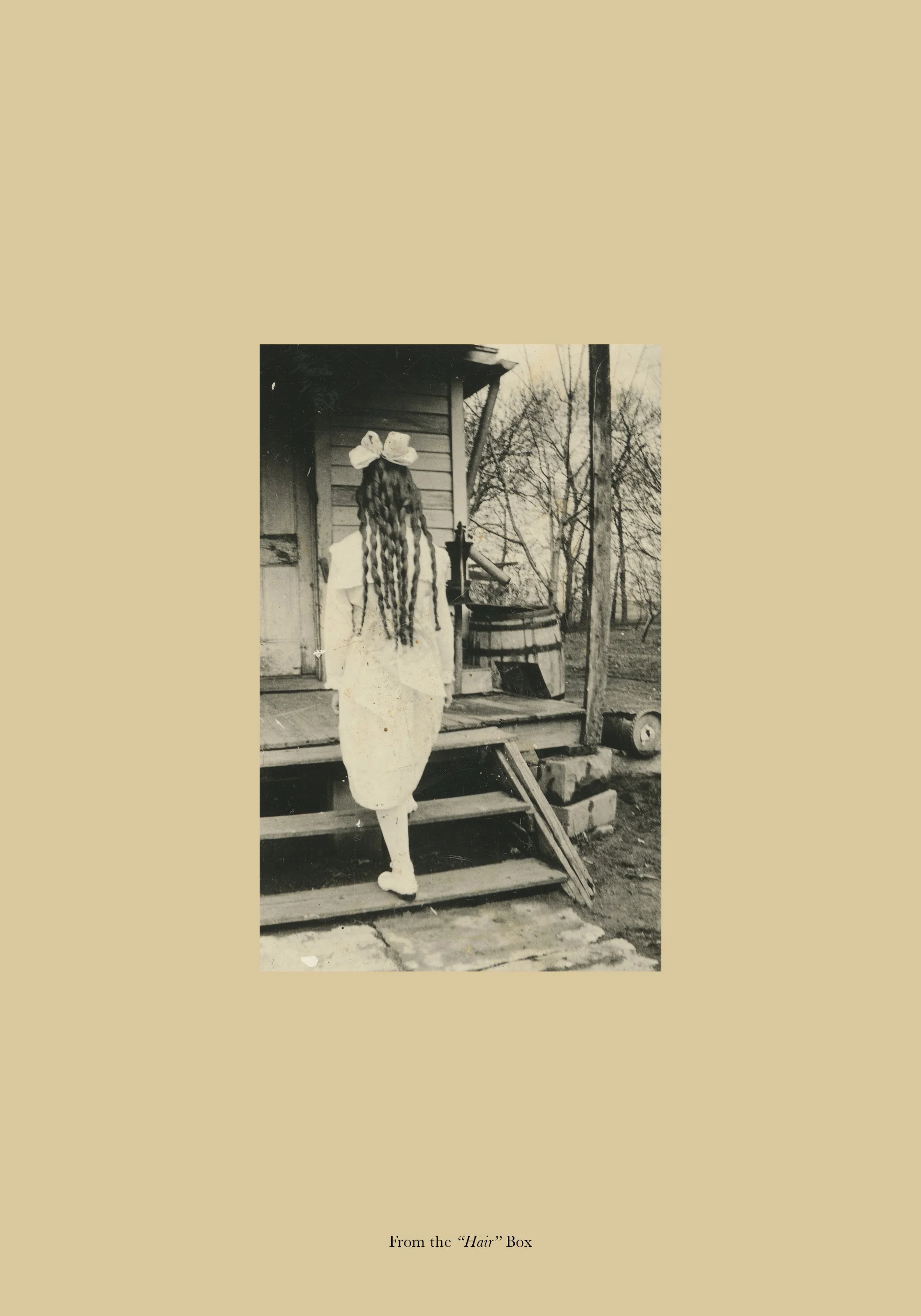
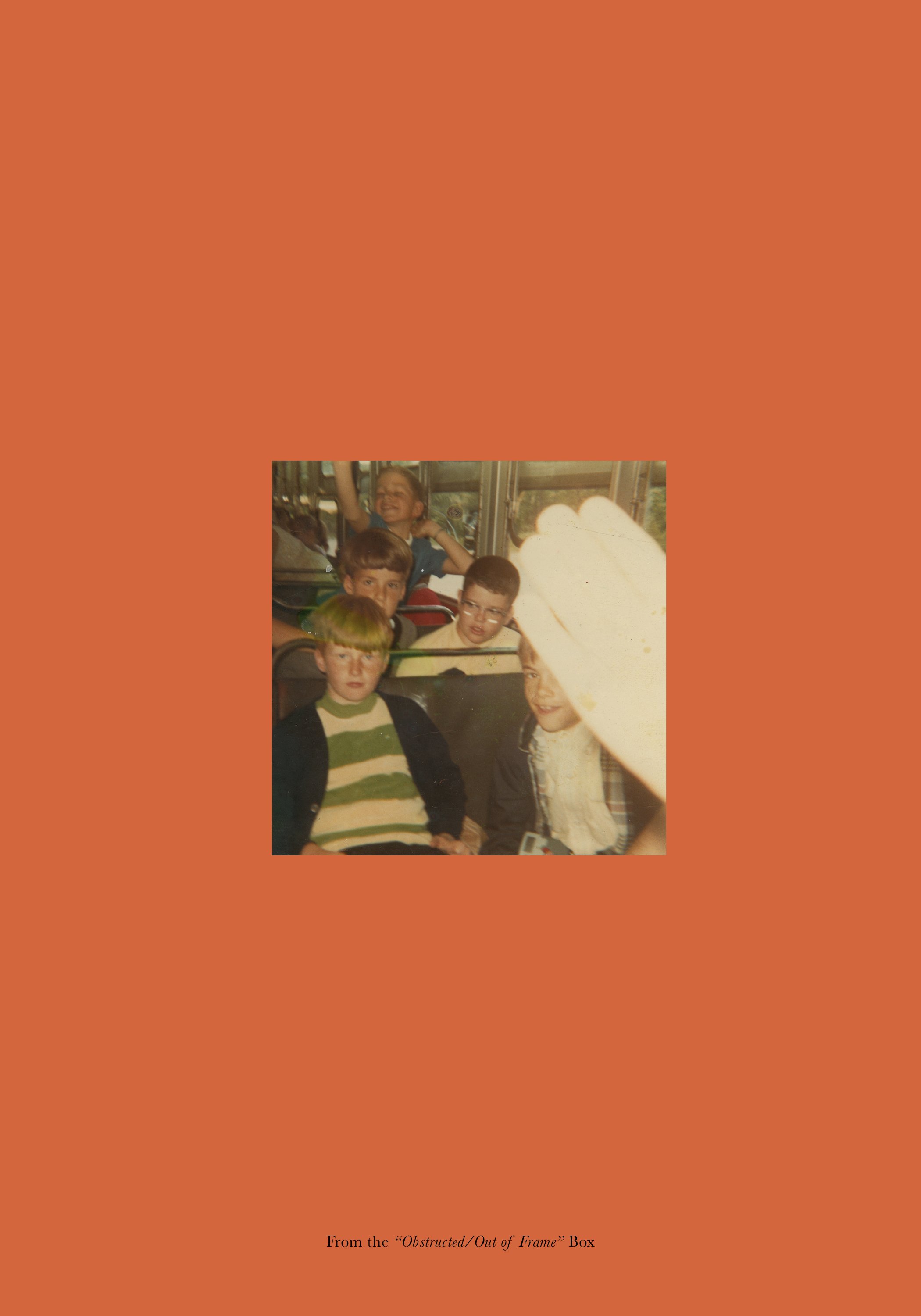
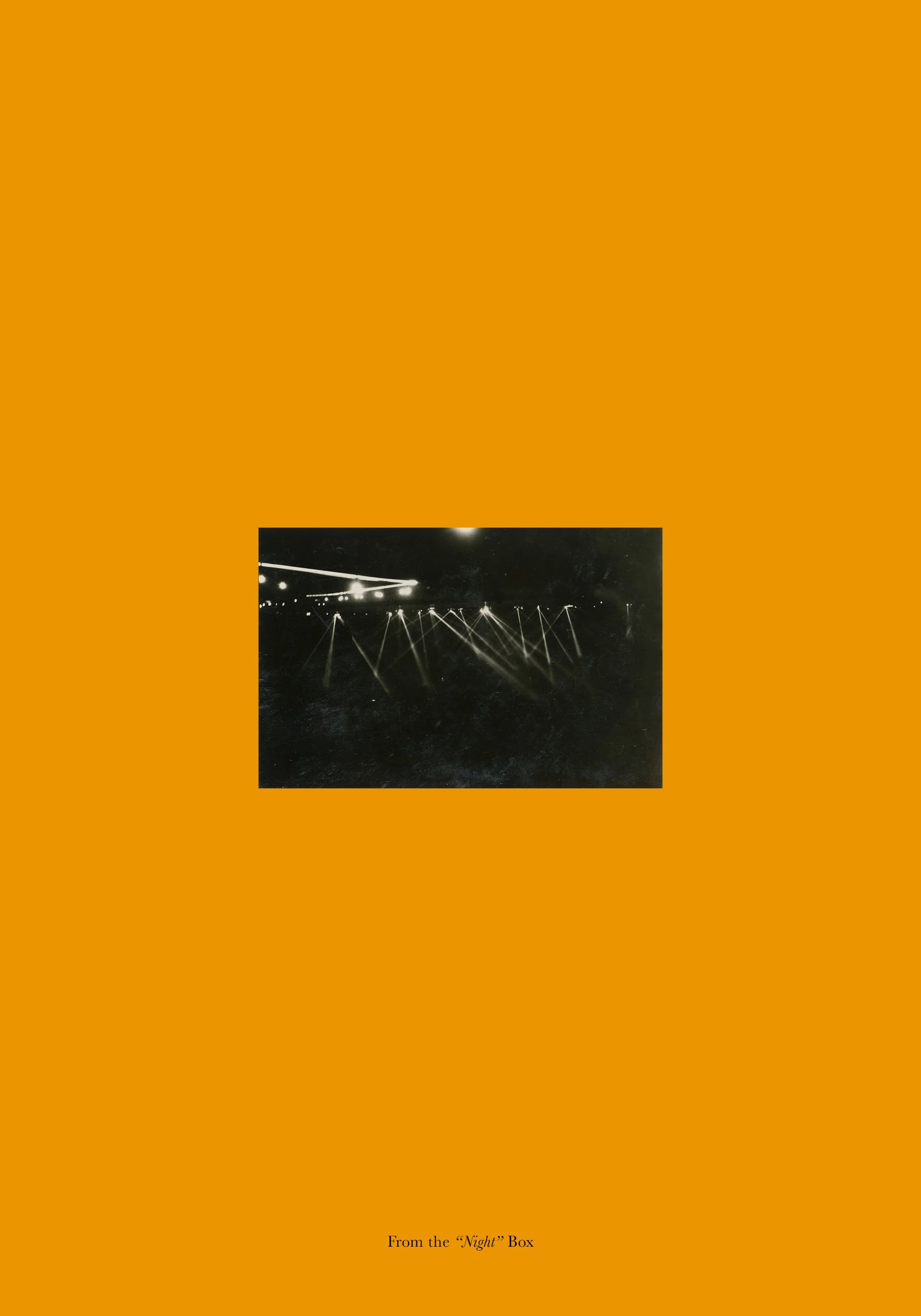
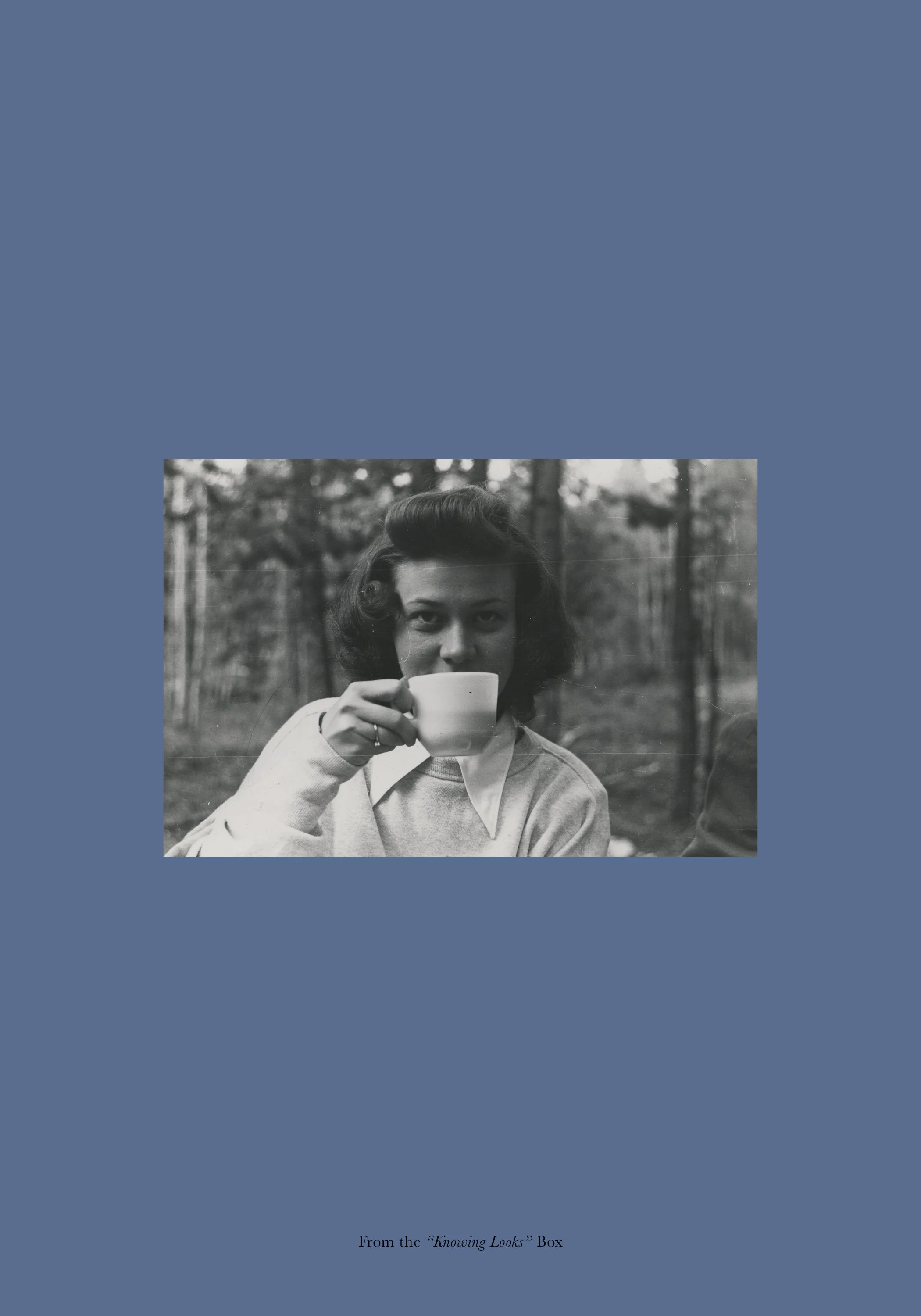
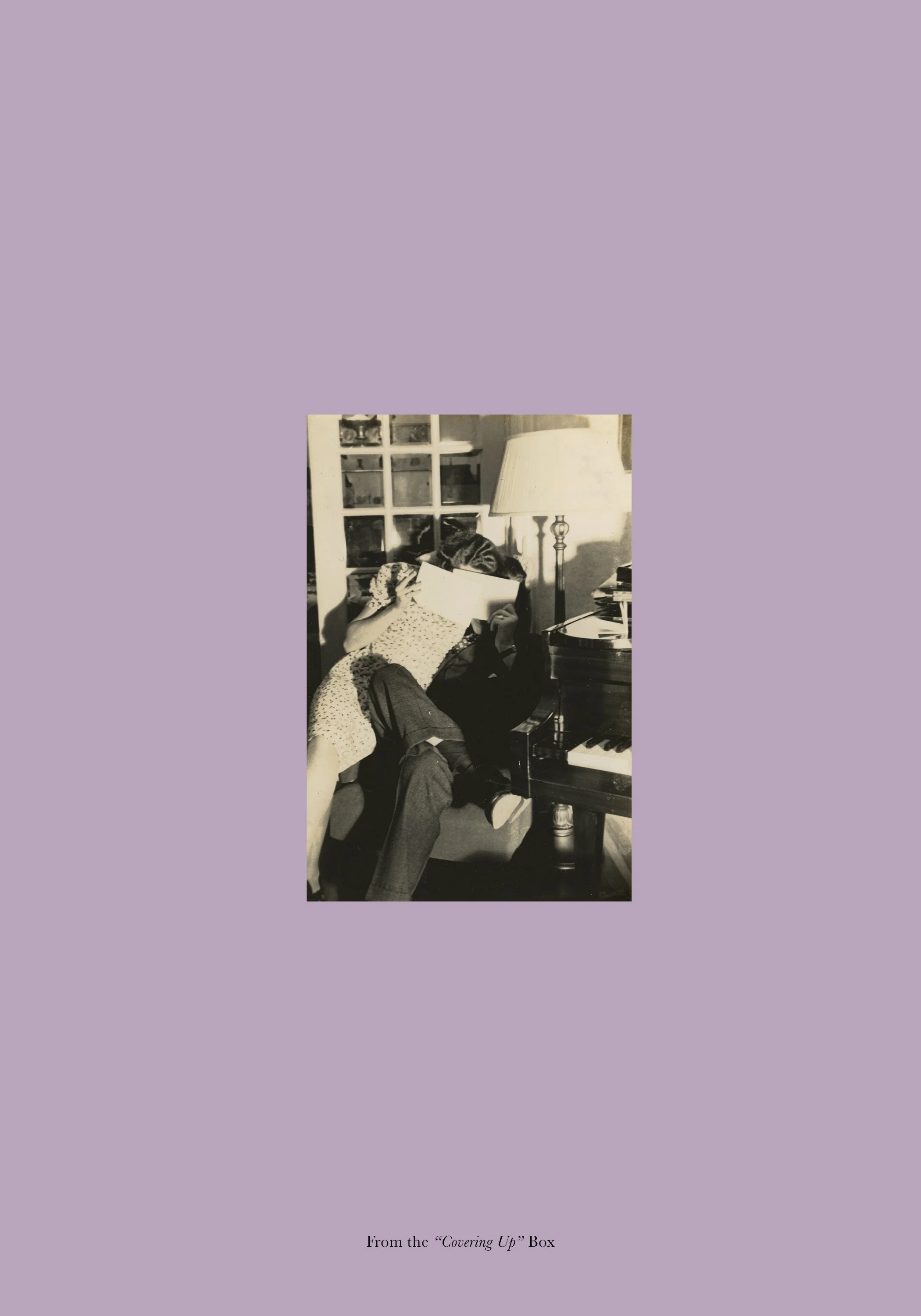
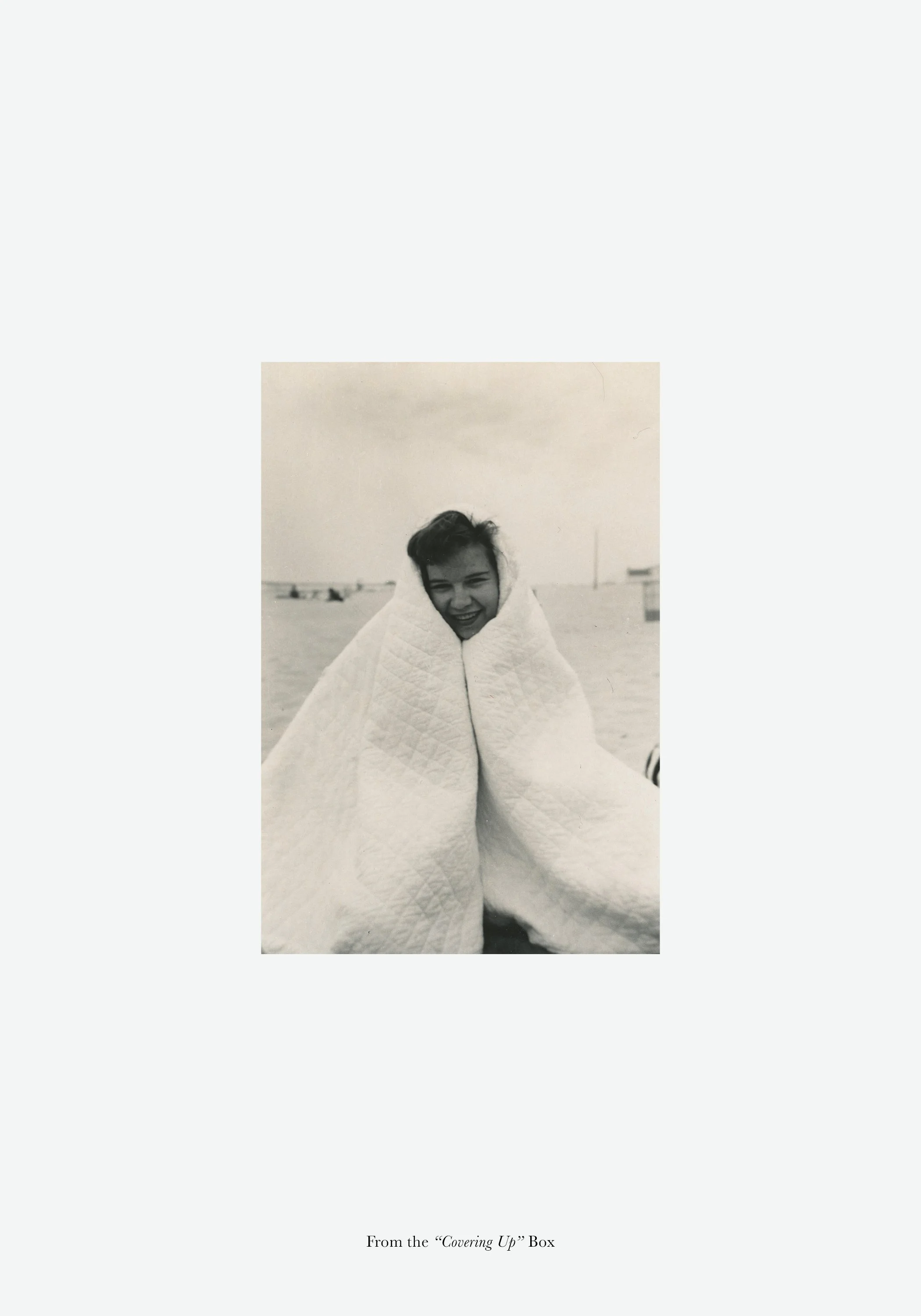
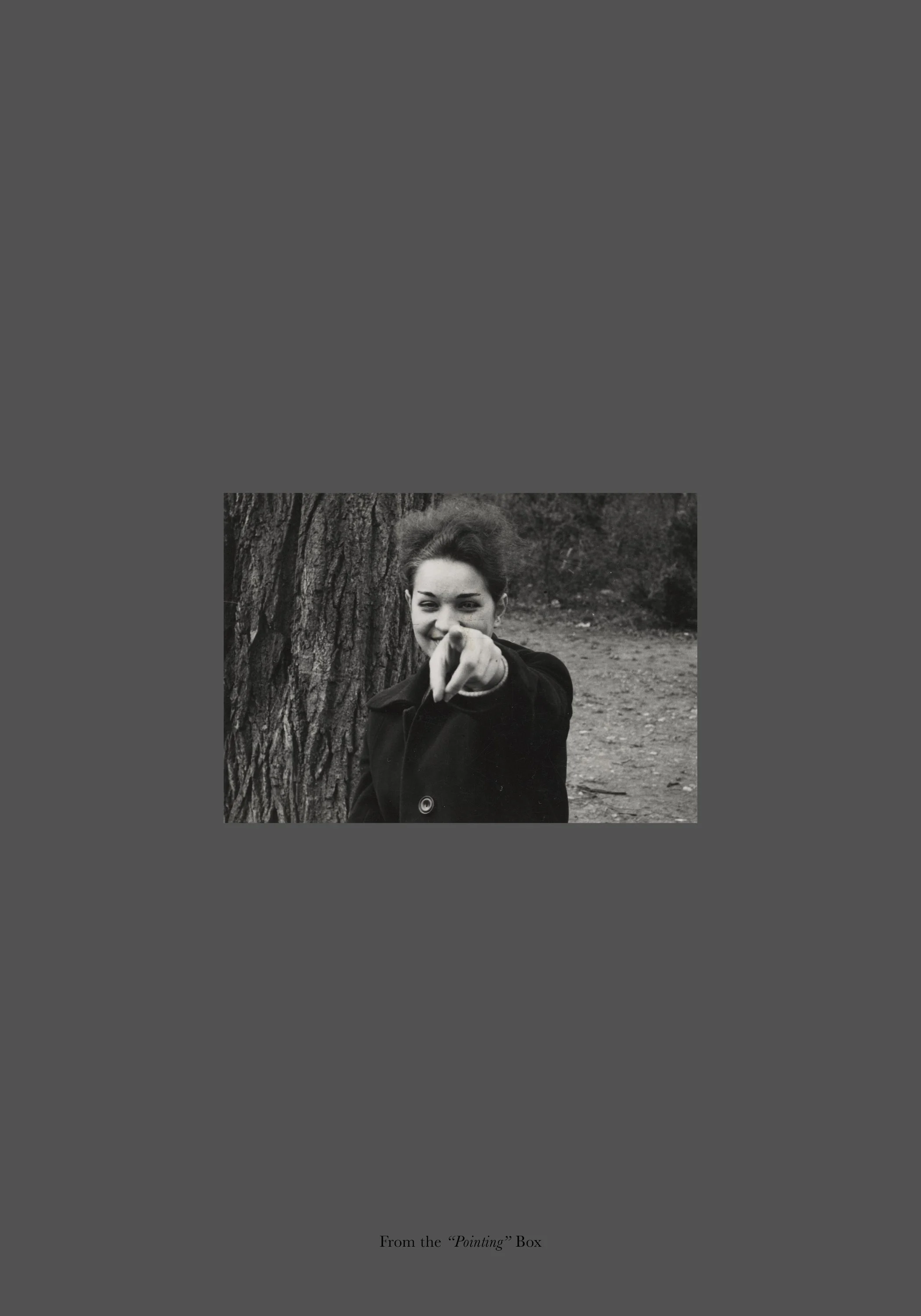
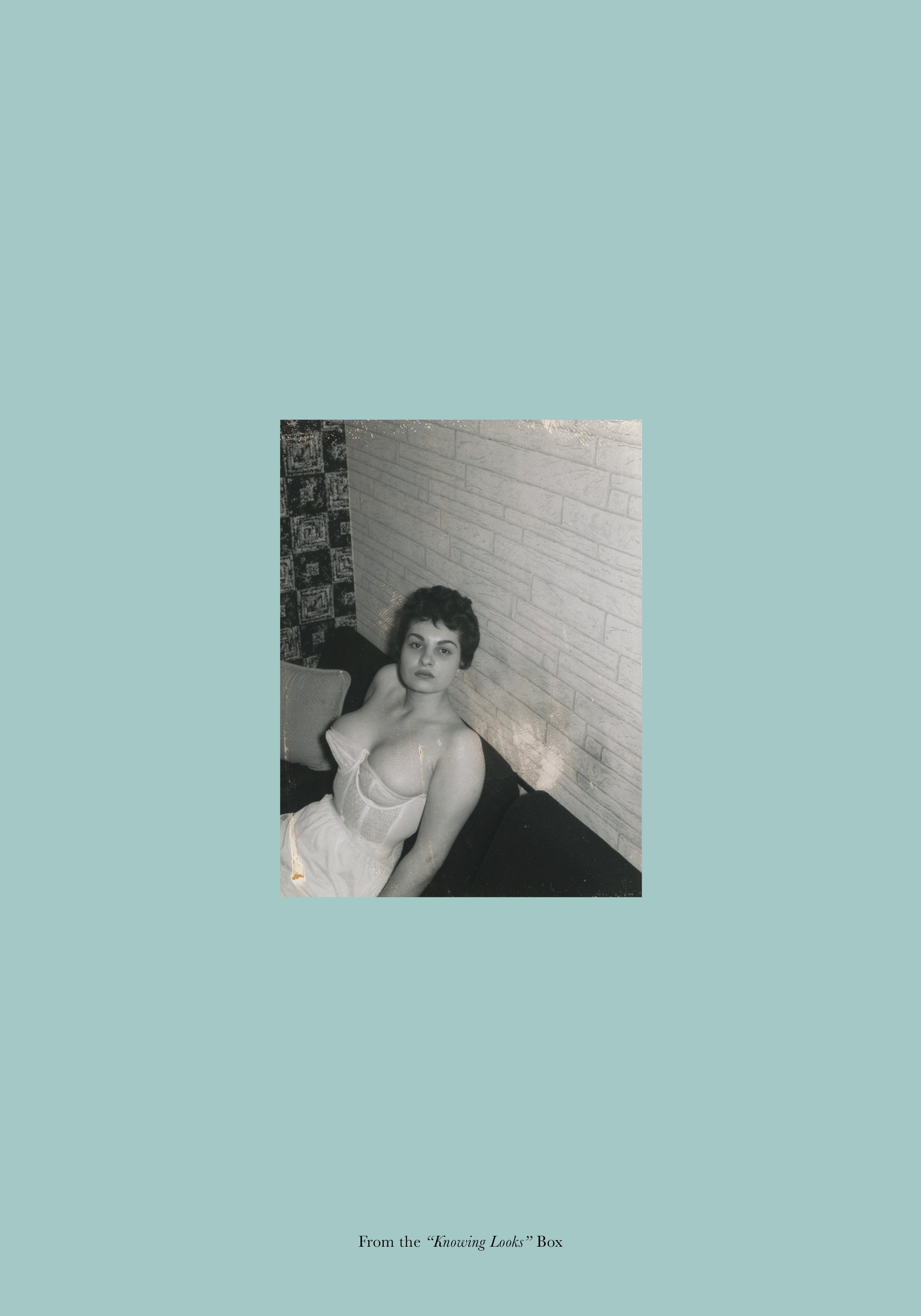
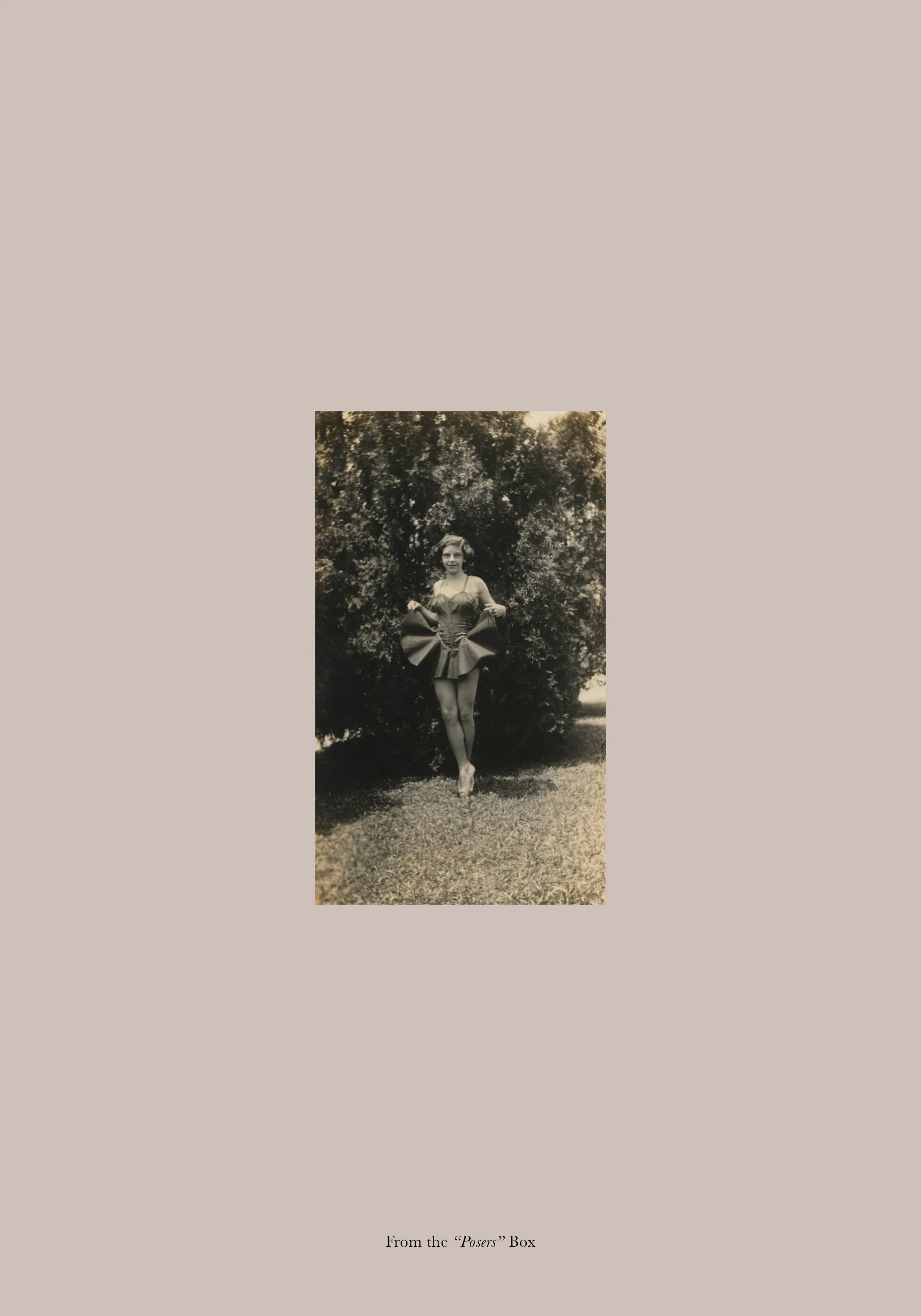
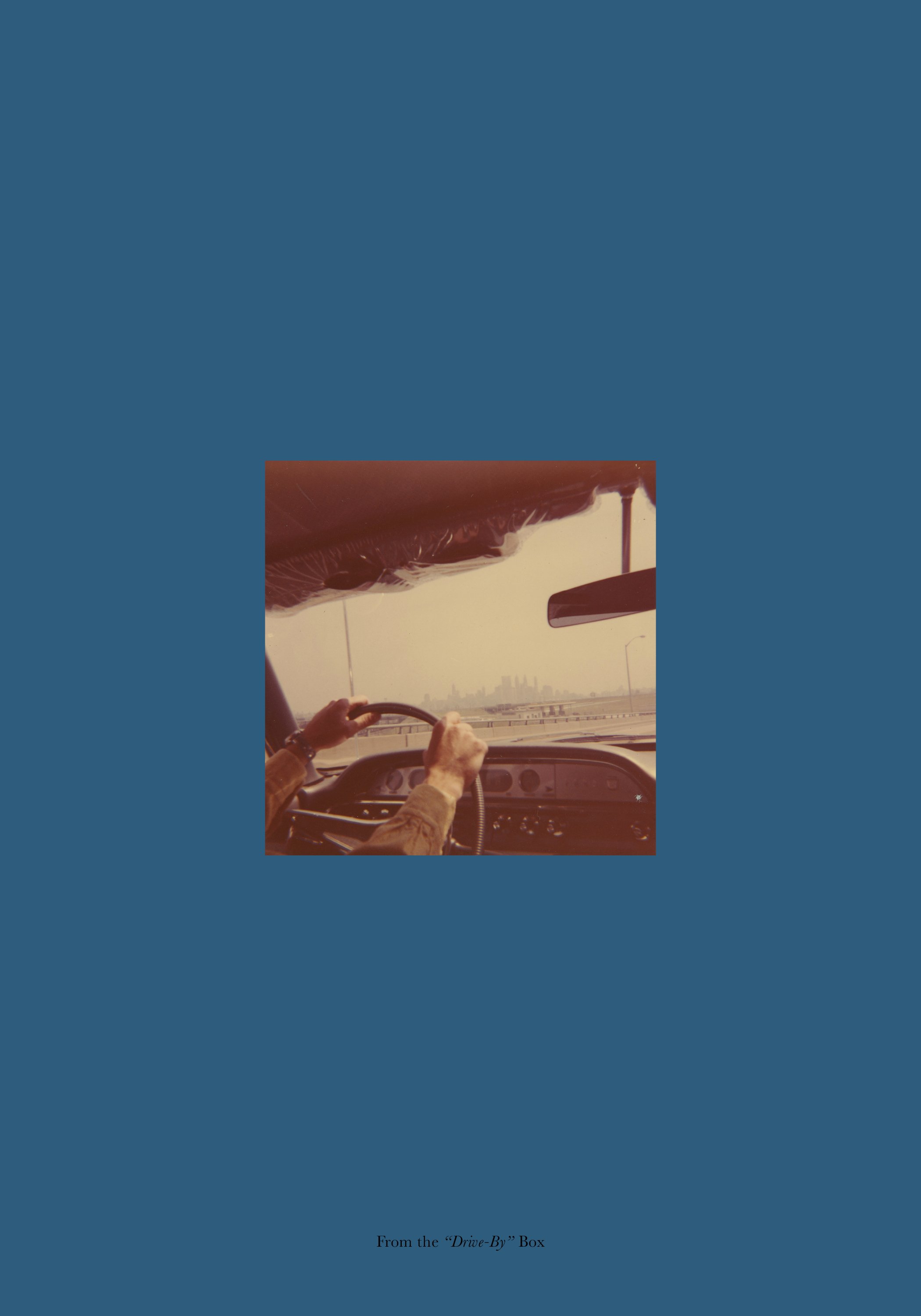
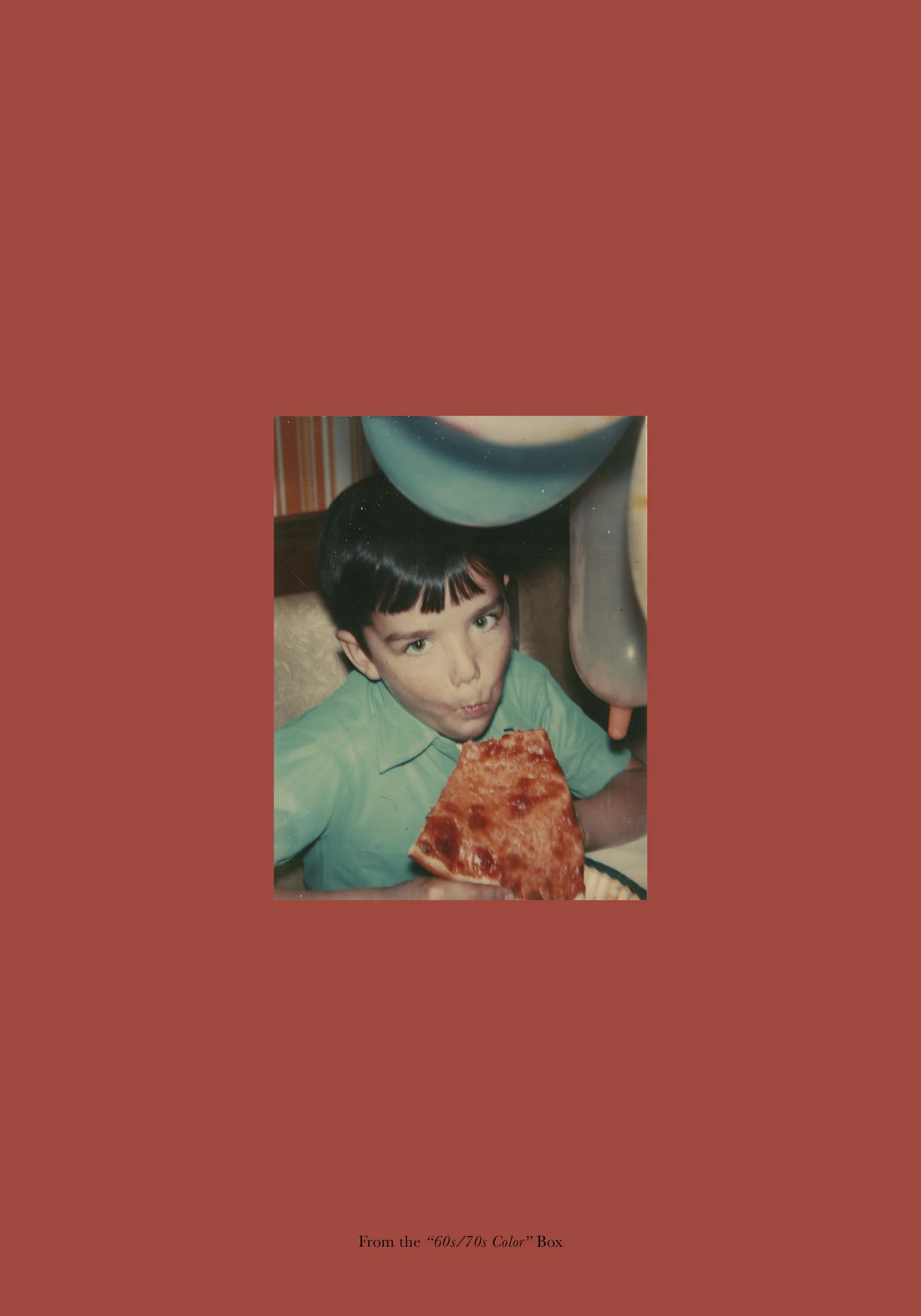
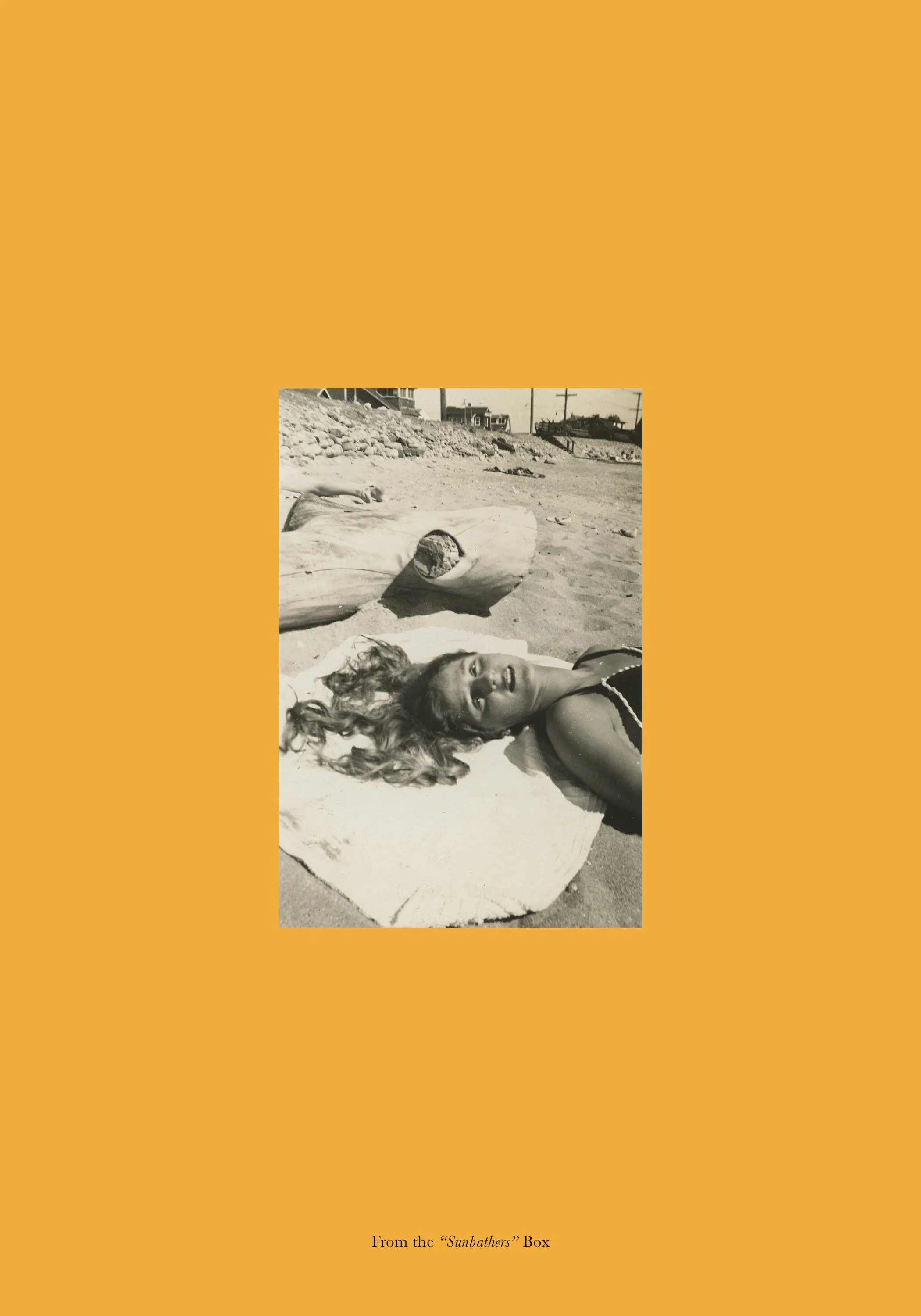
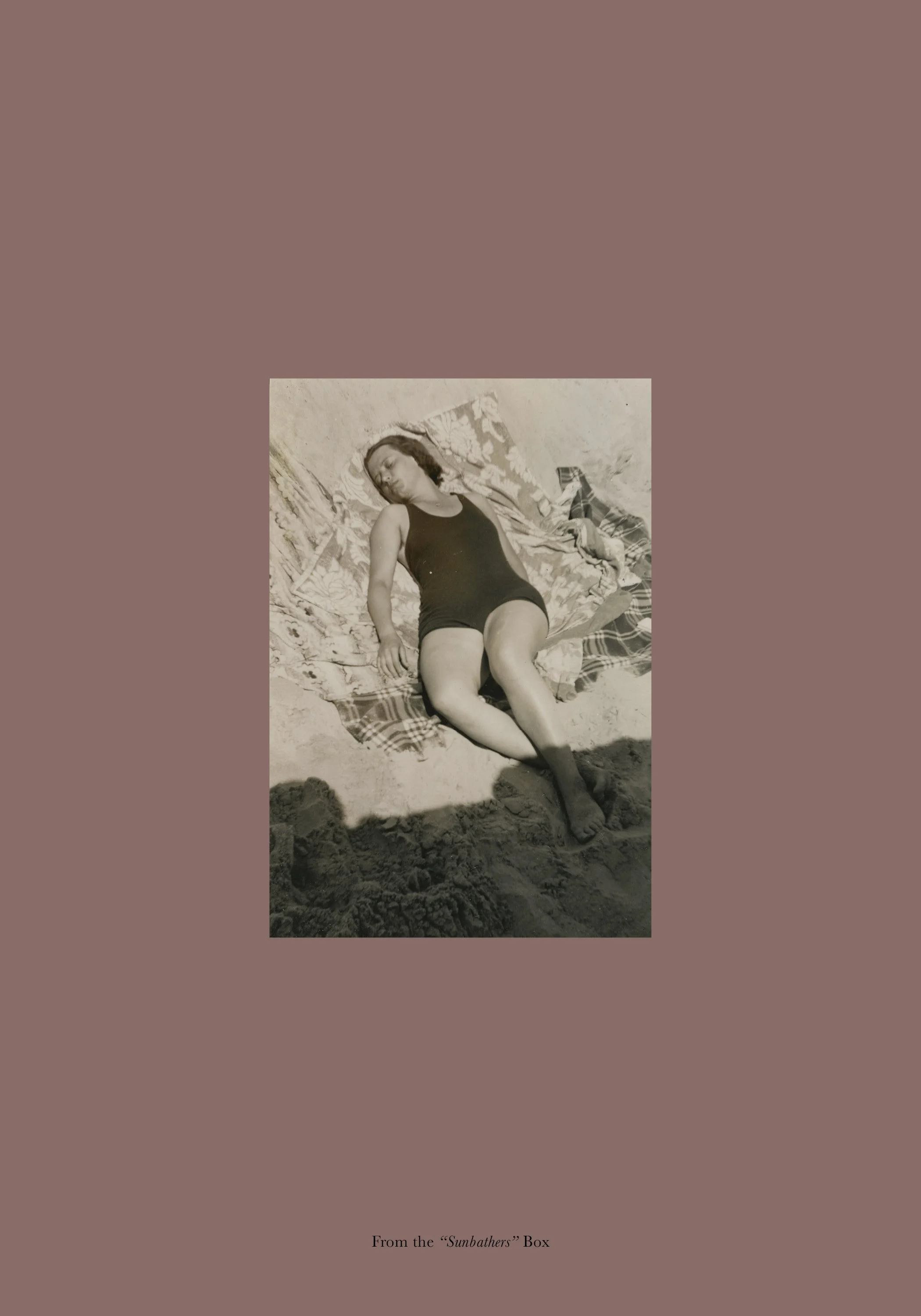
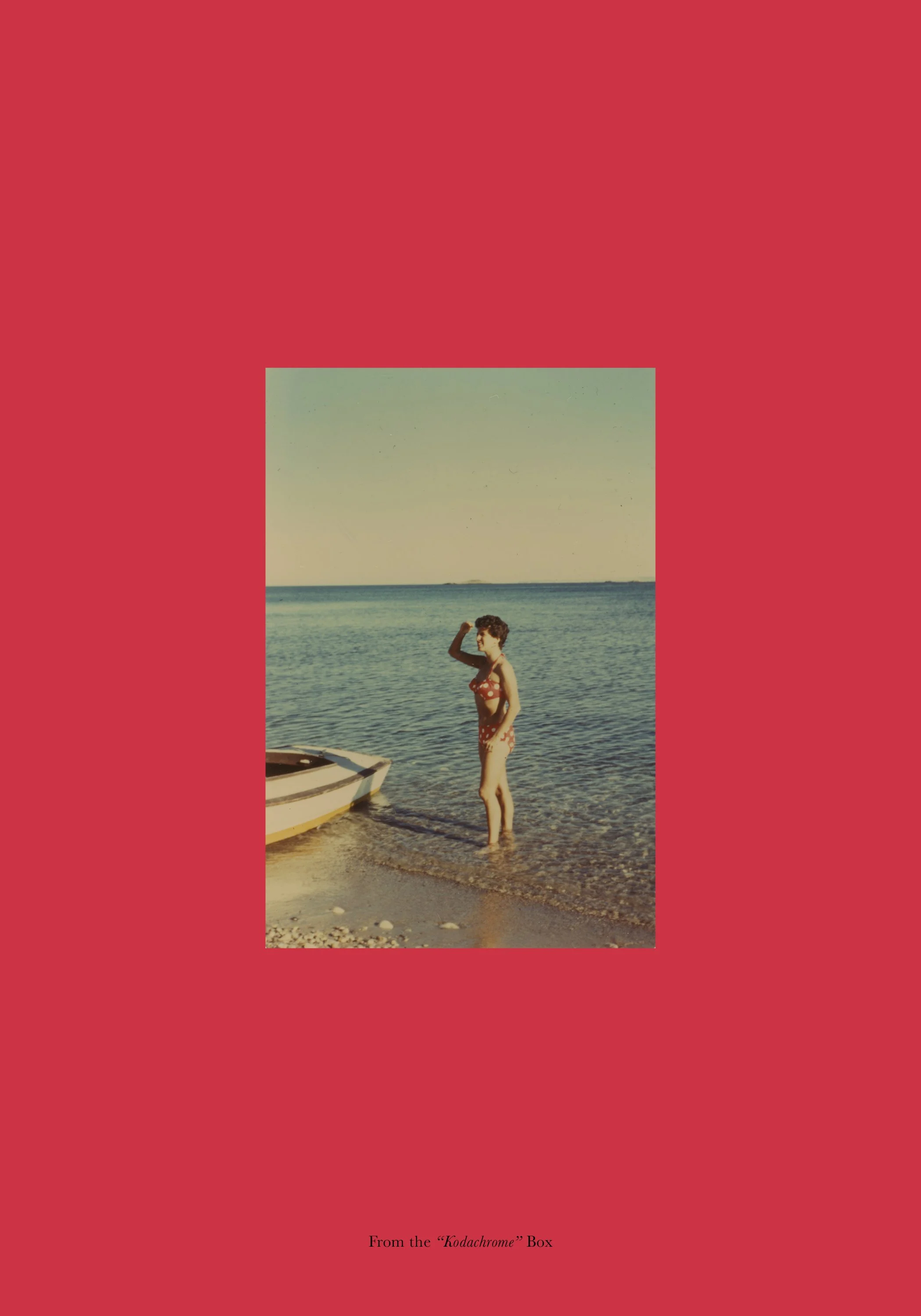
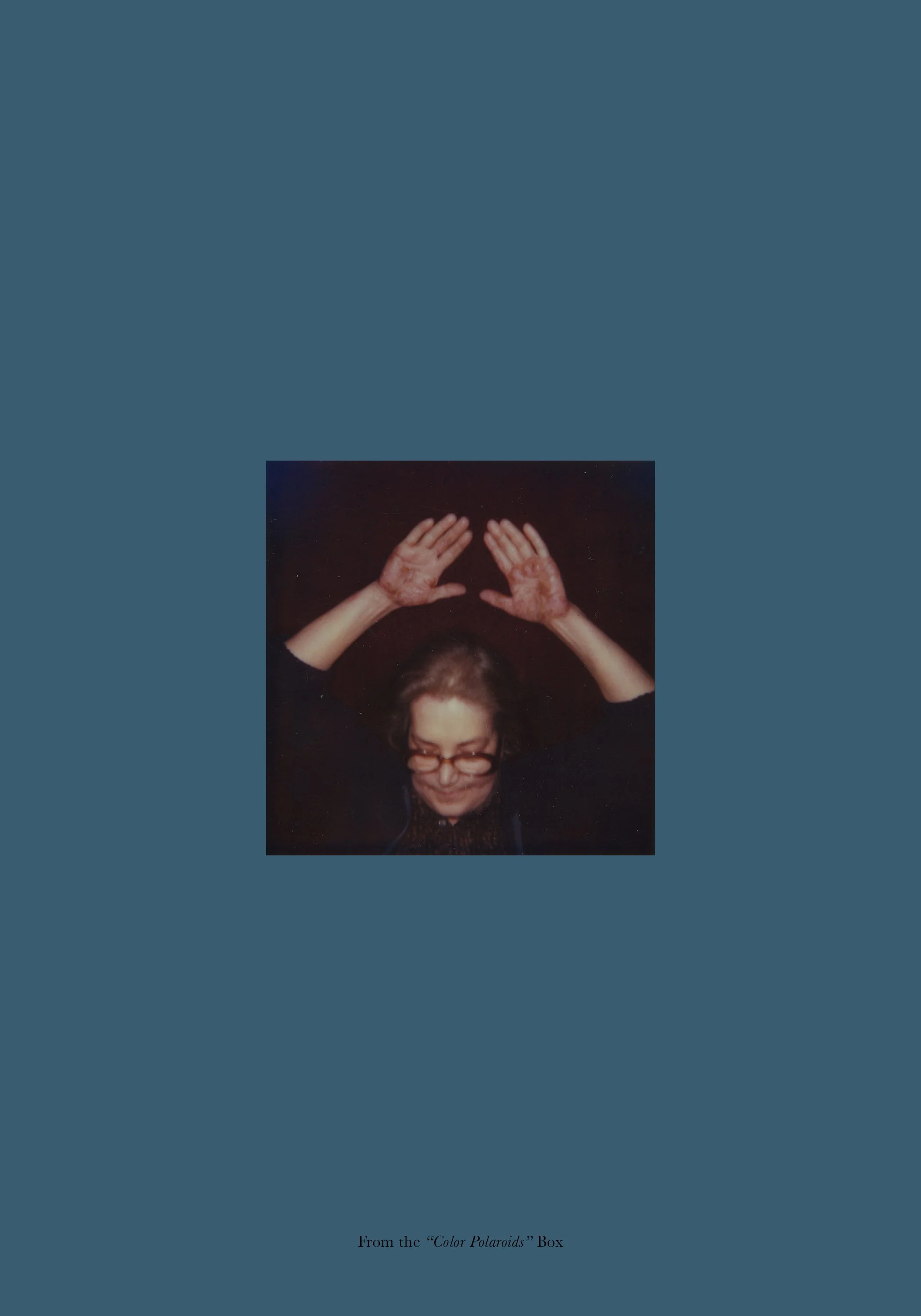
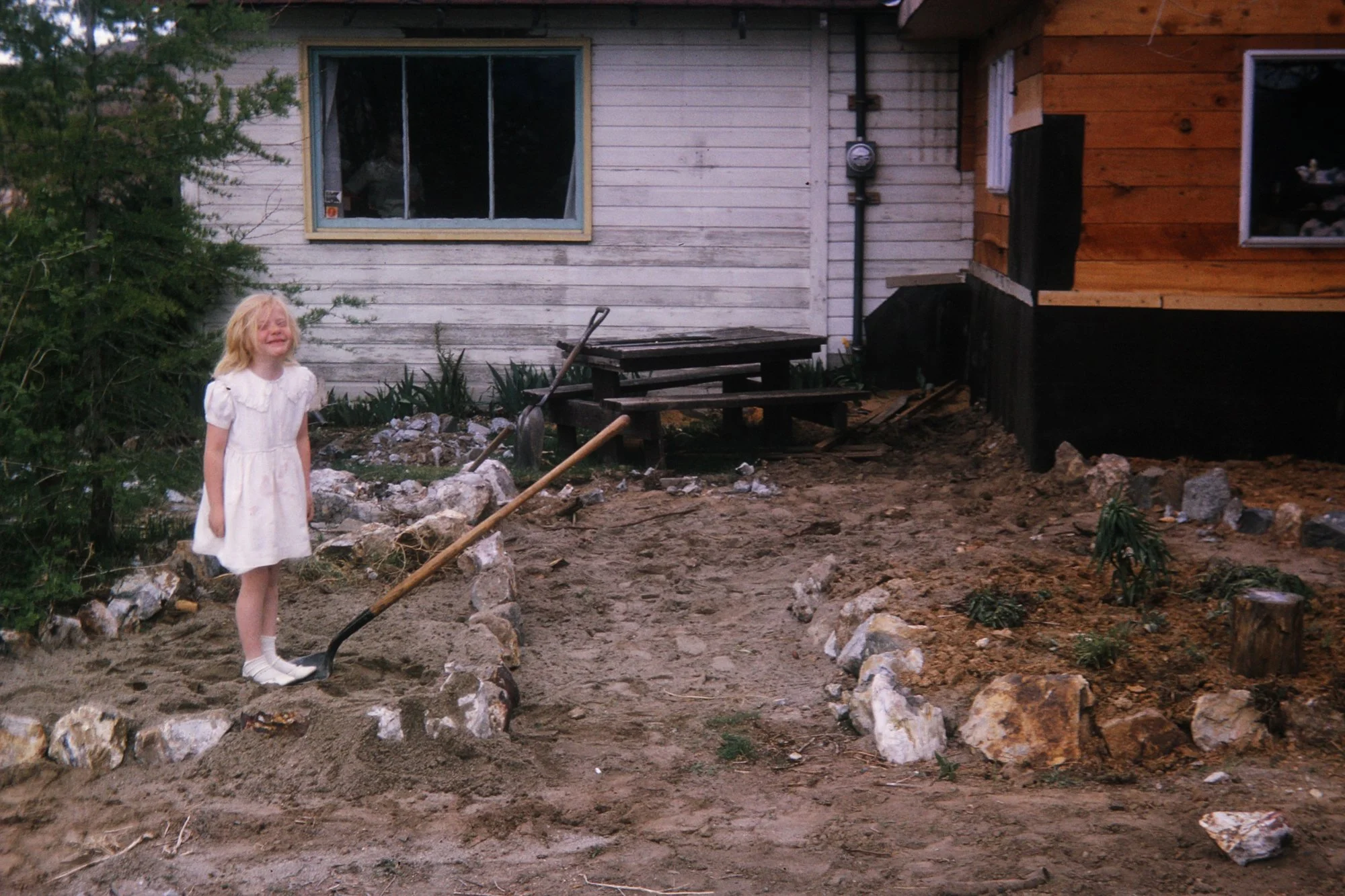
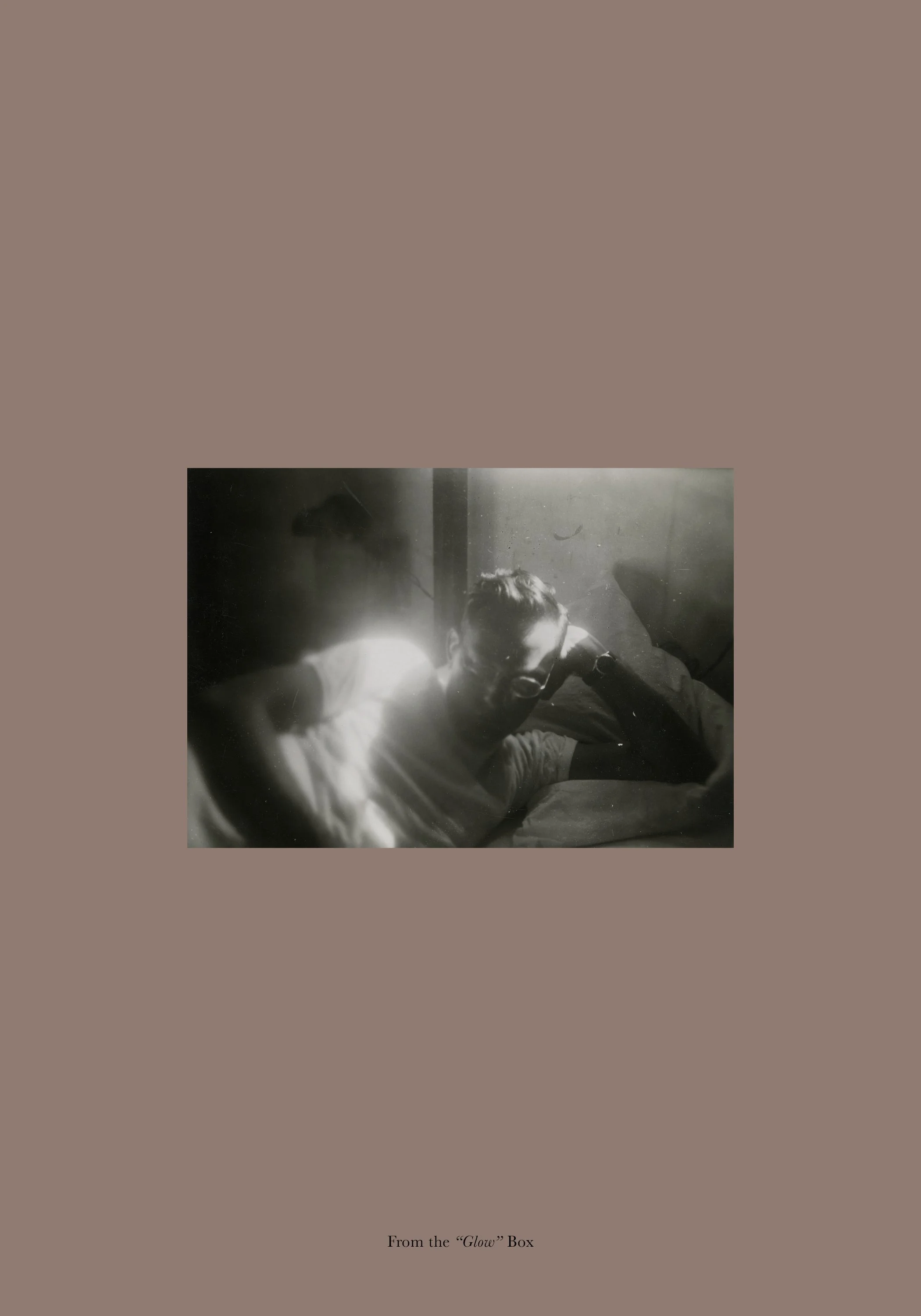
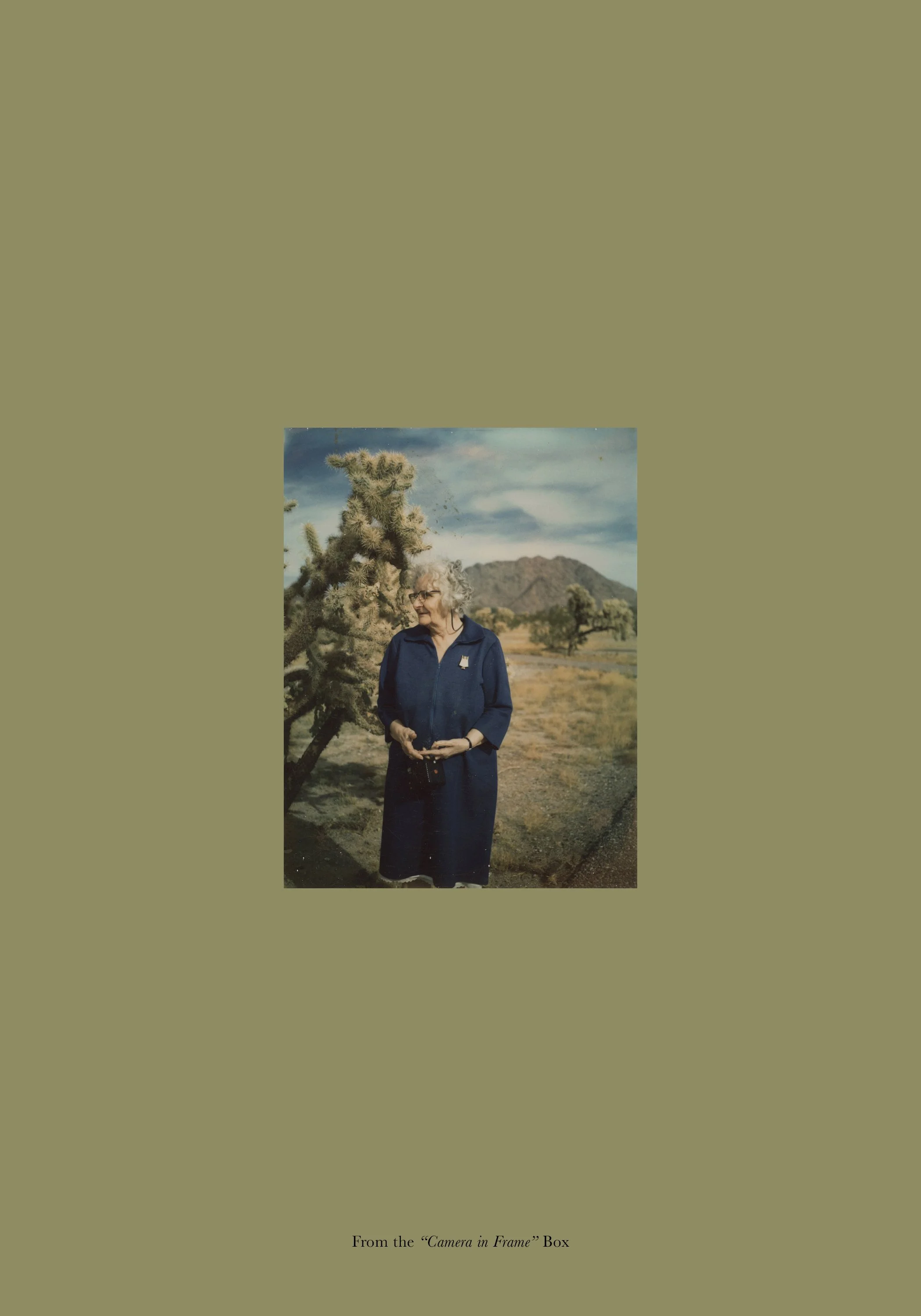
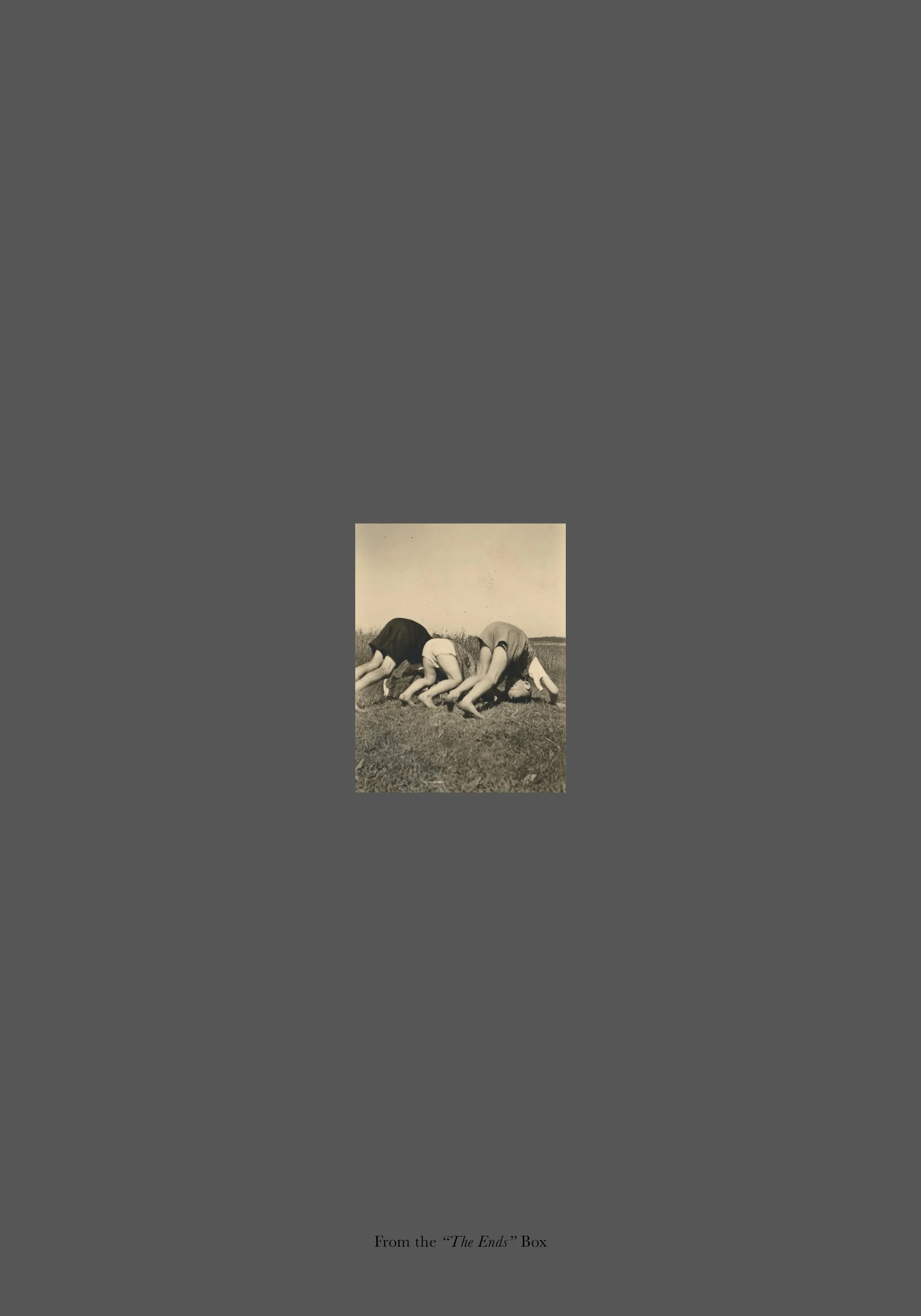
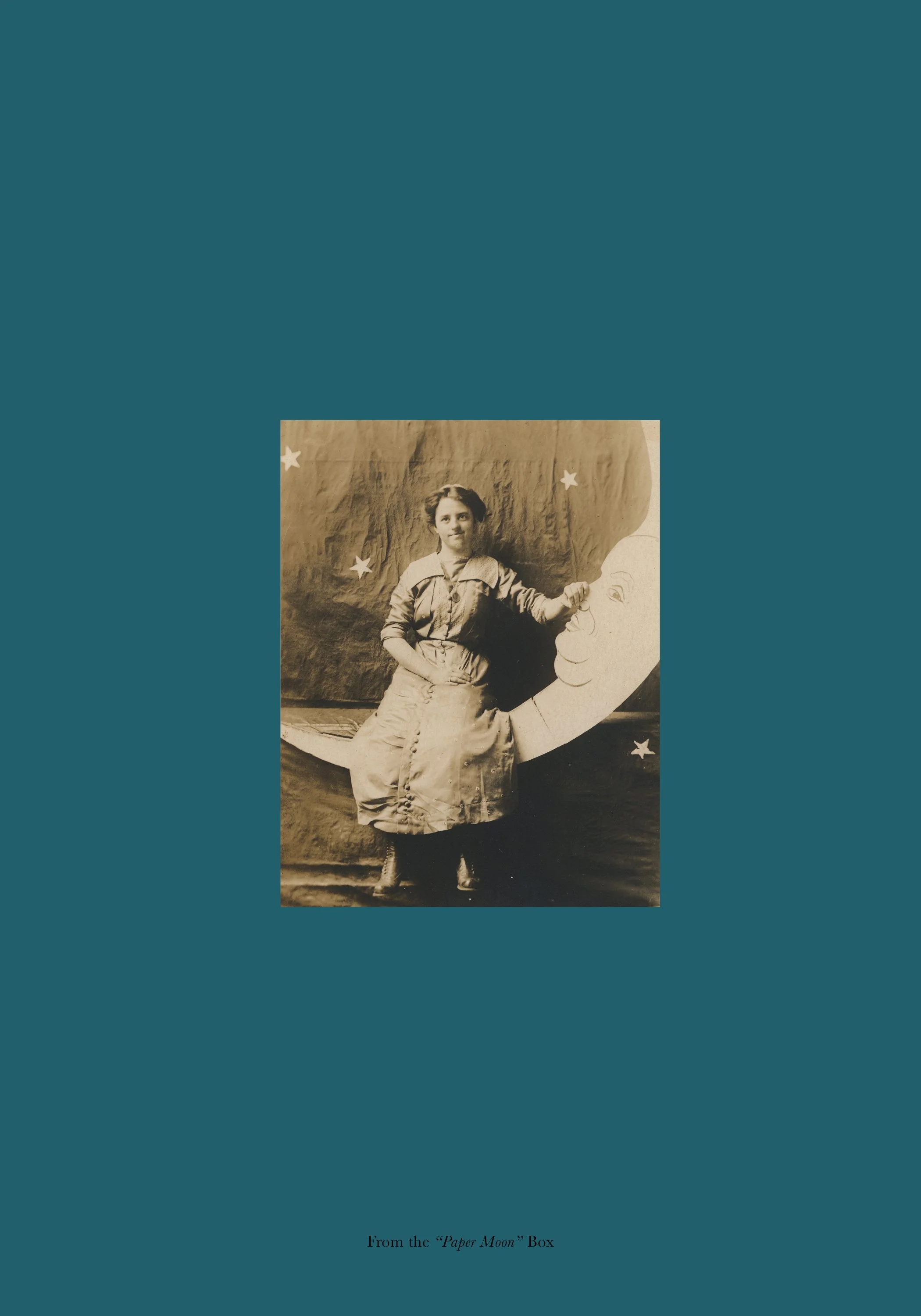
Peter J. Cohen Collection, , built over decades in New York, holds more than 100,000 everyday photographs: snapshots, albums, postcards, Polaroids, cyanotypes, hand-tinted prints. These are images that were never meant for galleries or books; they were made for family albums, private letters, shoeboxes, and living room walls.
They usually arrived separated from their makers and subjects, names lost, dates unclear, contexts unknown. Yet when we sit with them, they feel startlingly alive: gestures repeat, outfits recur, familiar rooms reappear. They carry the small, stubborn details of daily life that resist being forgotten. In pairing contemporary work with this archive we are allowing these orphaned photographs to find new counterparts and new relationships.
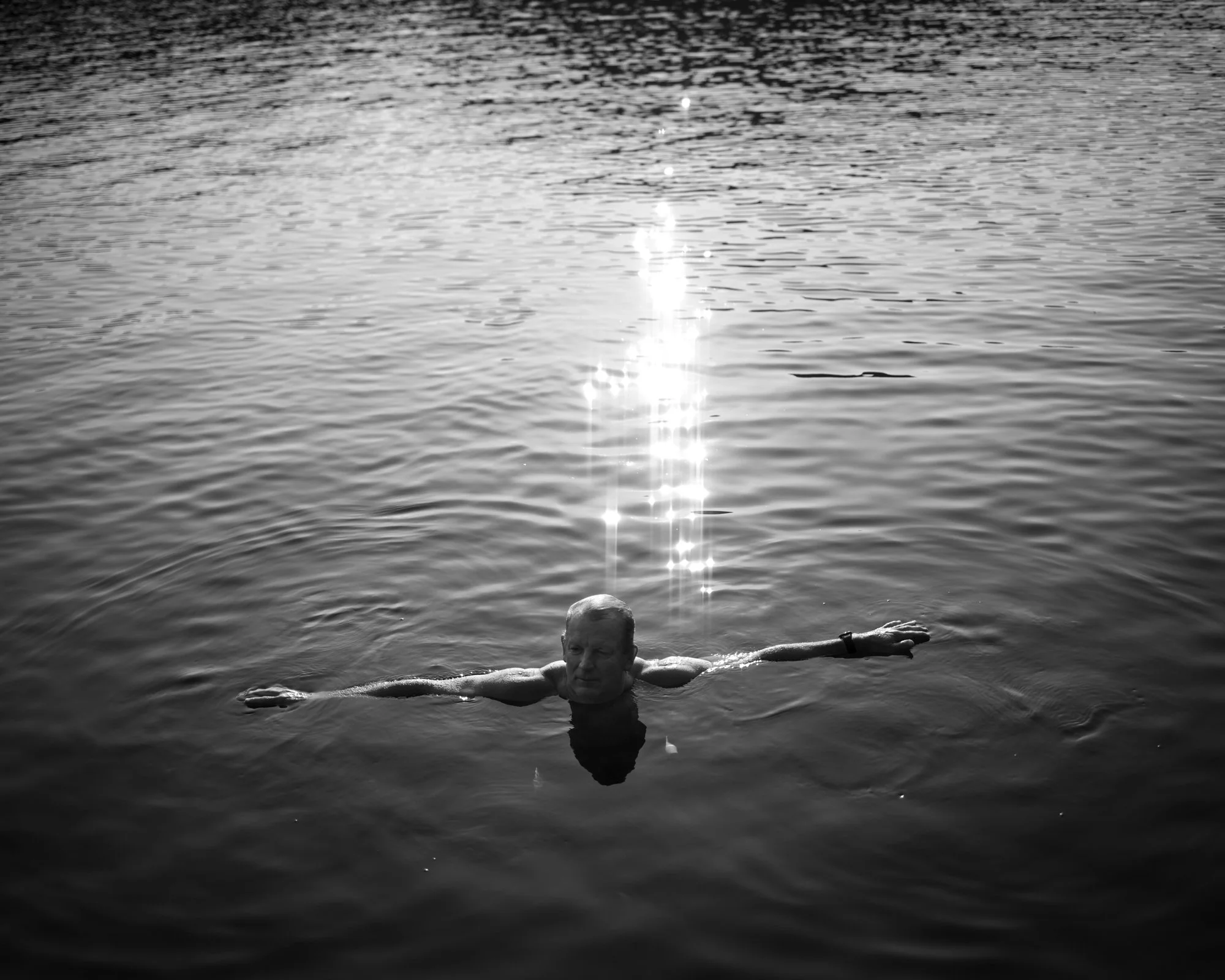
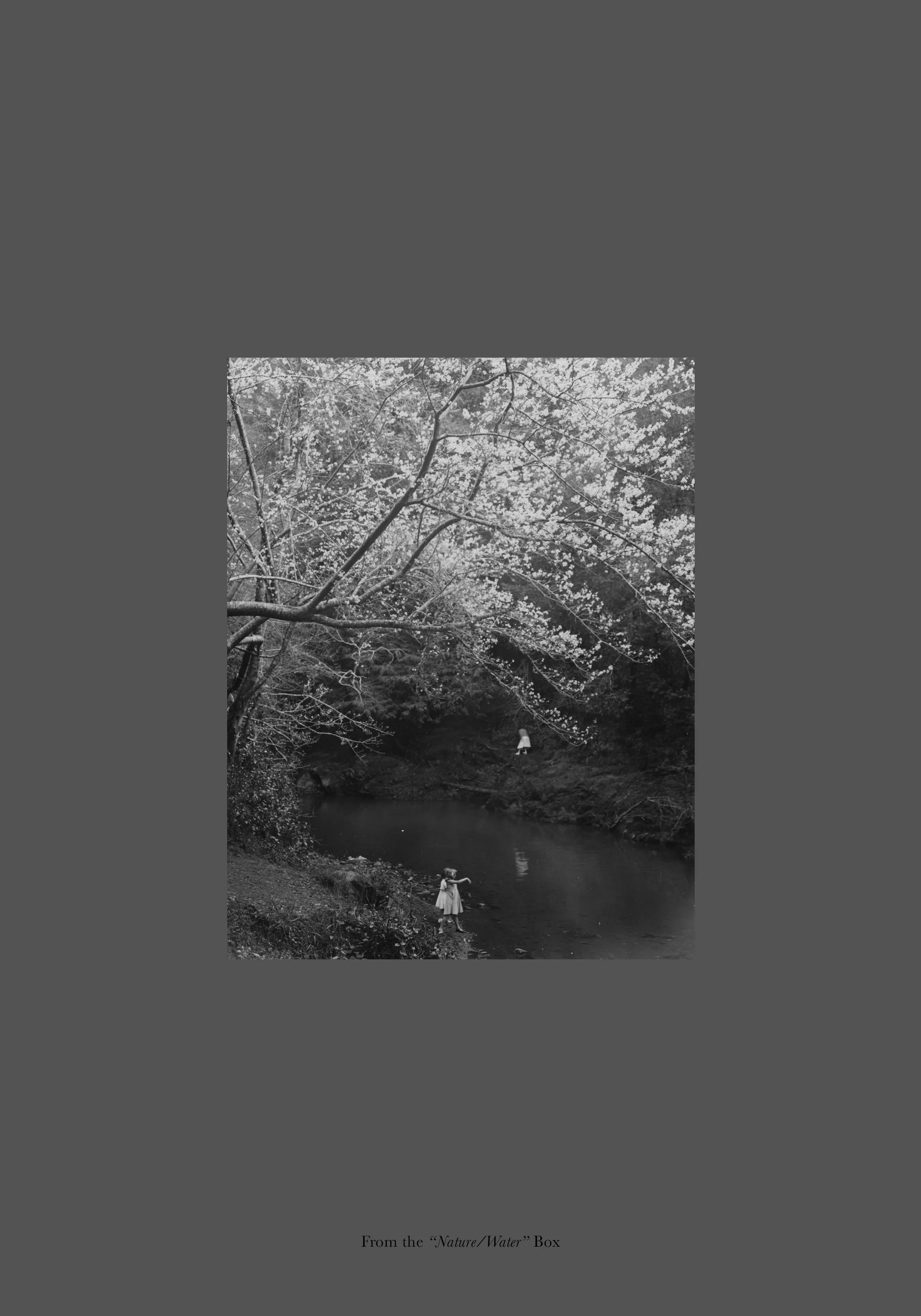
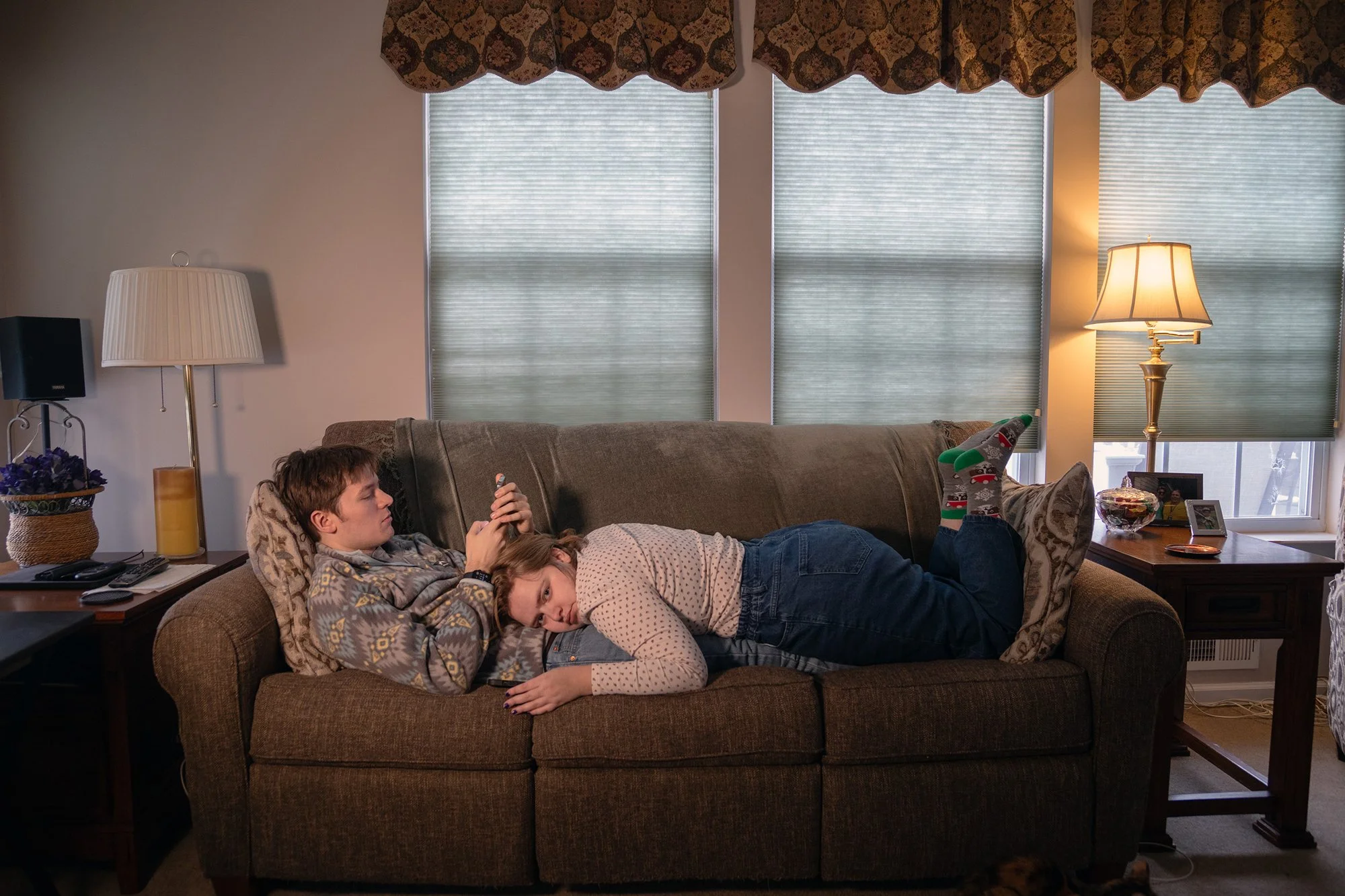
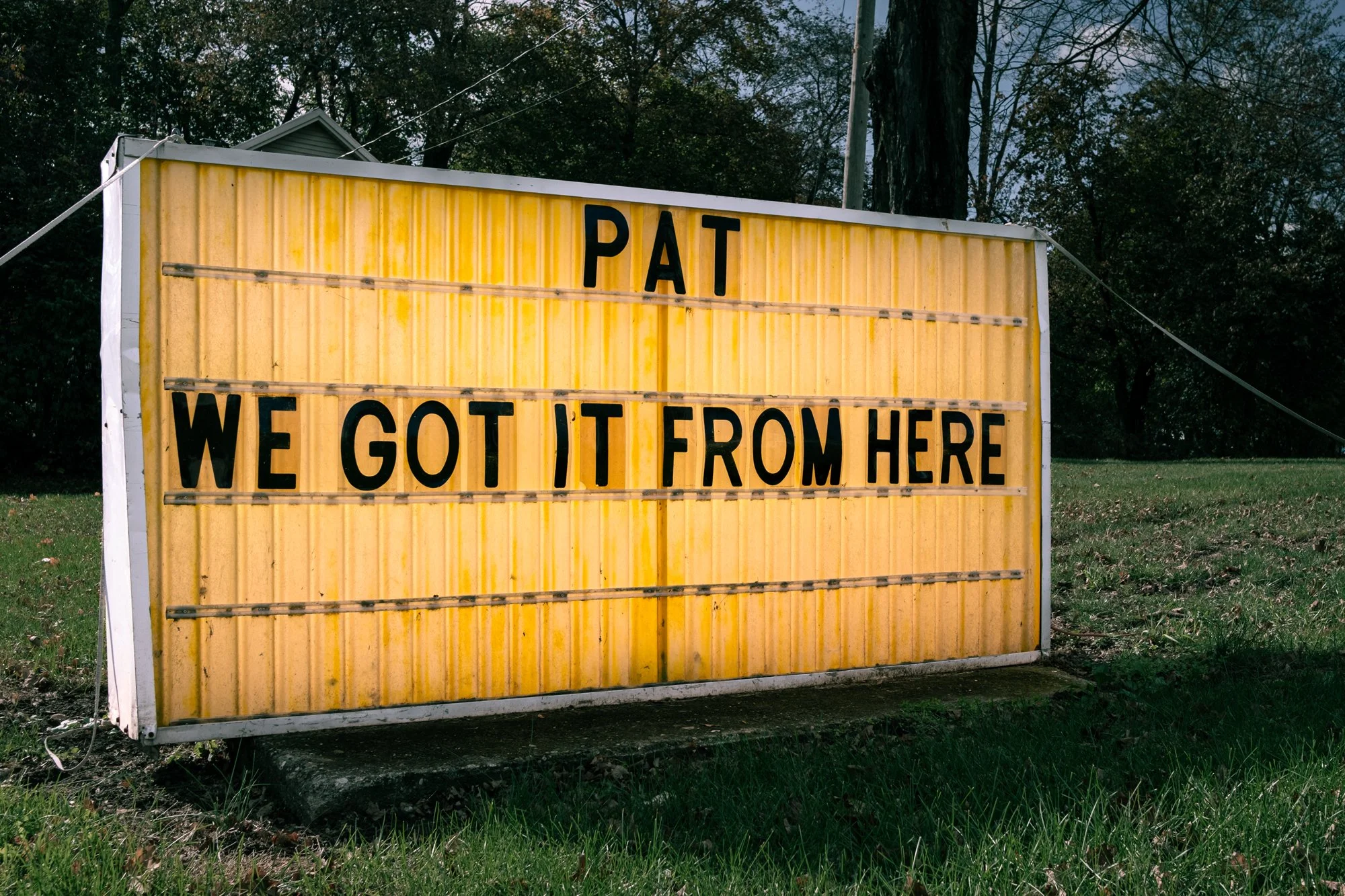
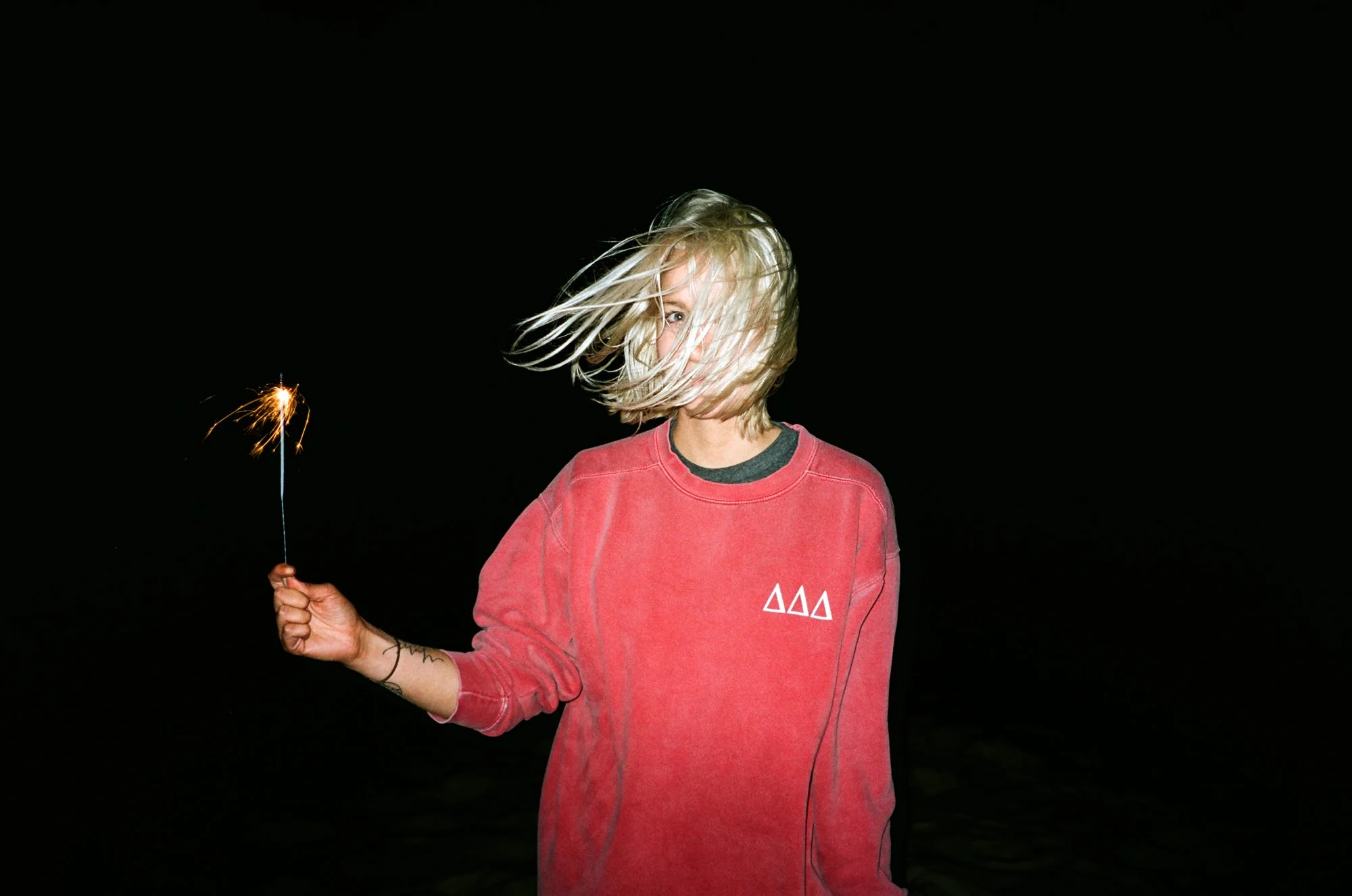
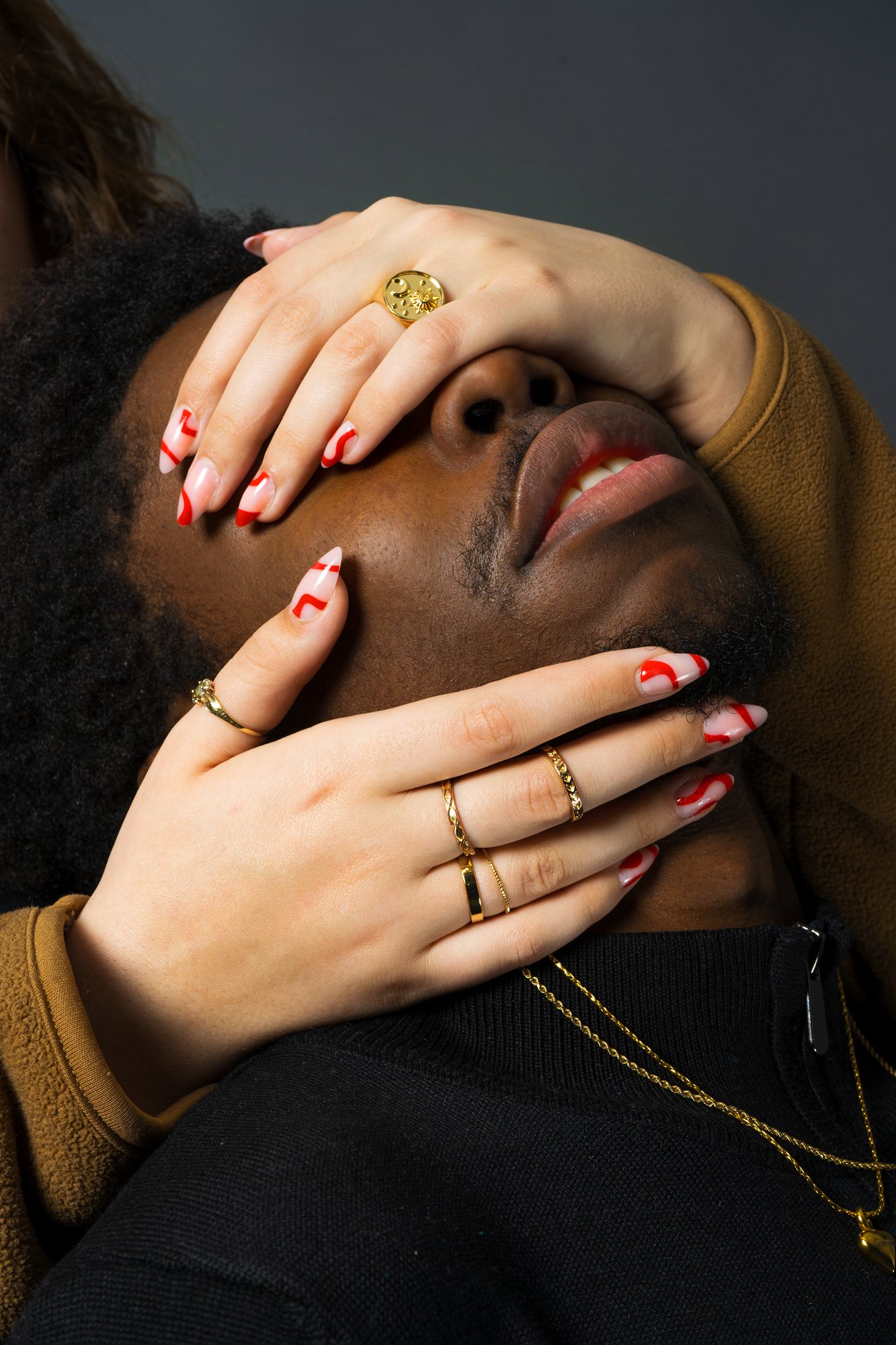
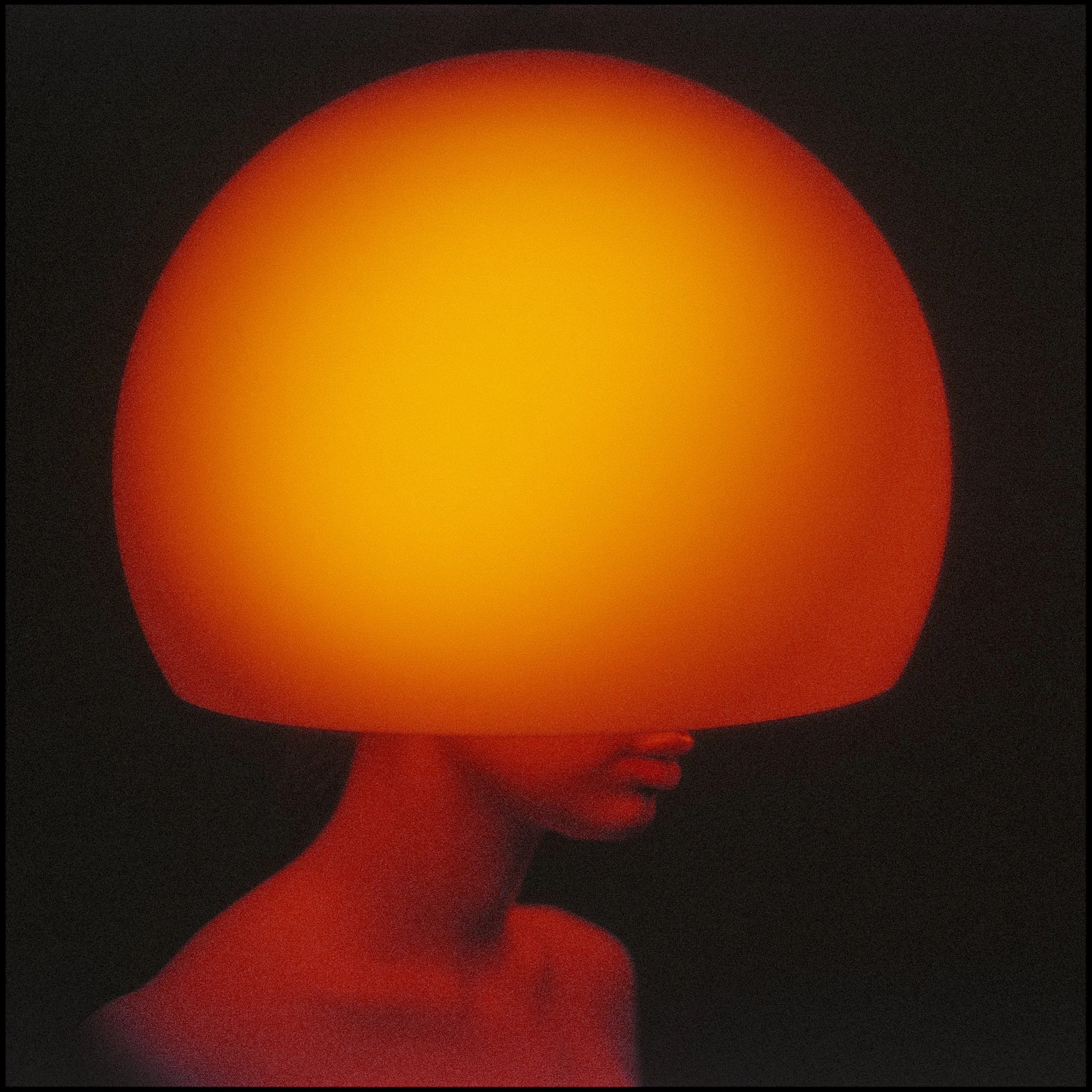
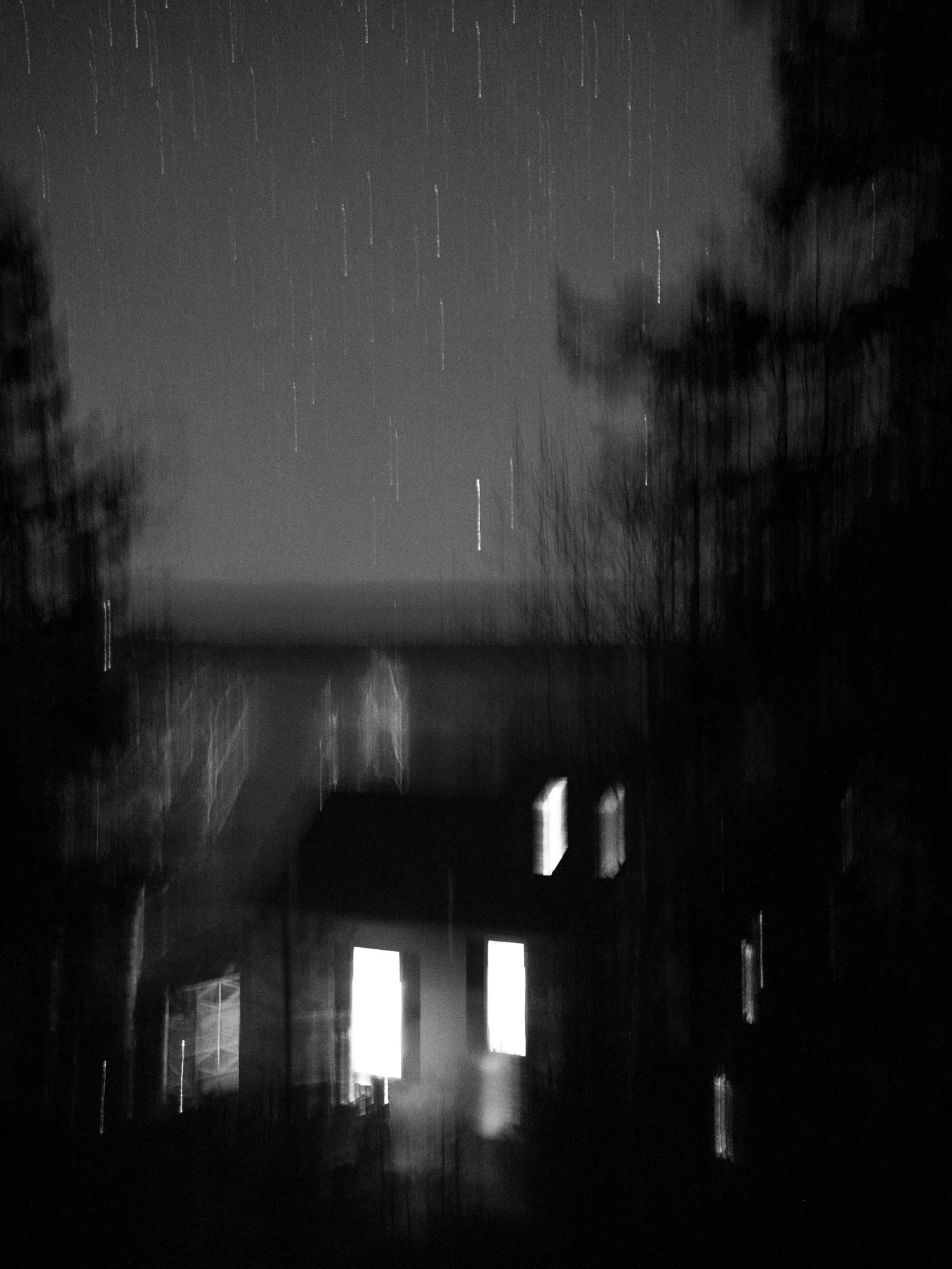
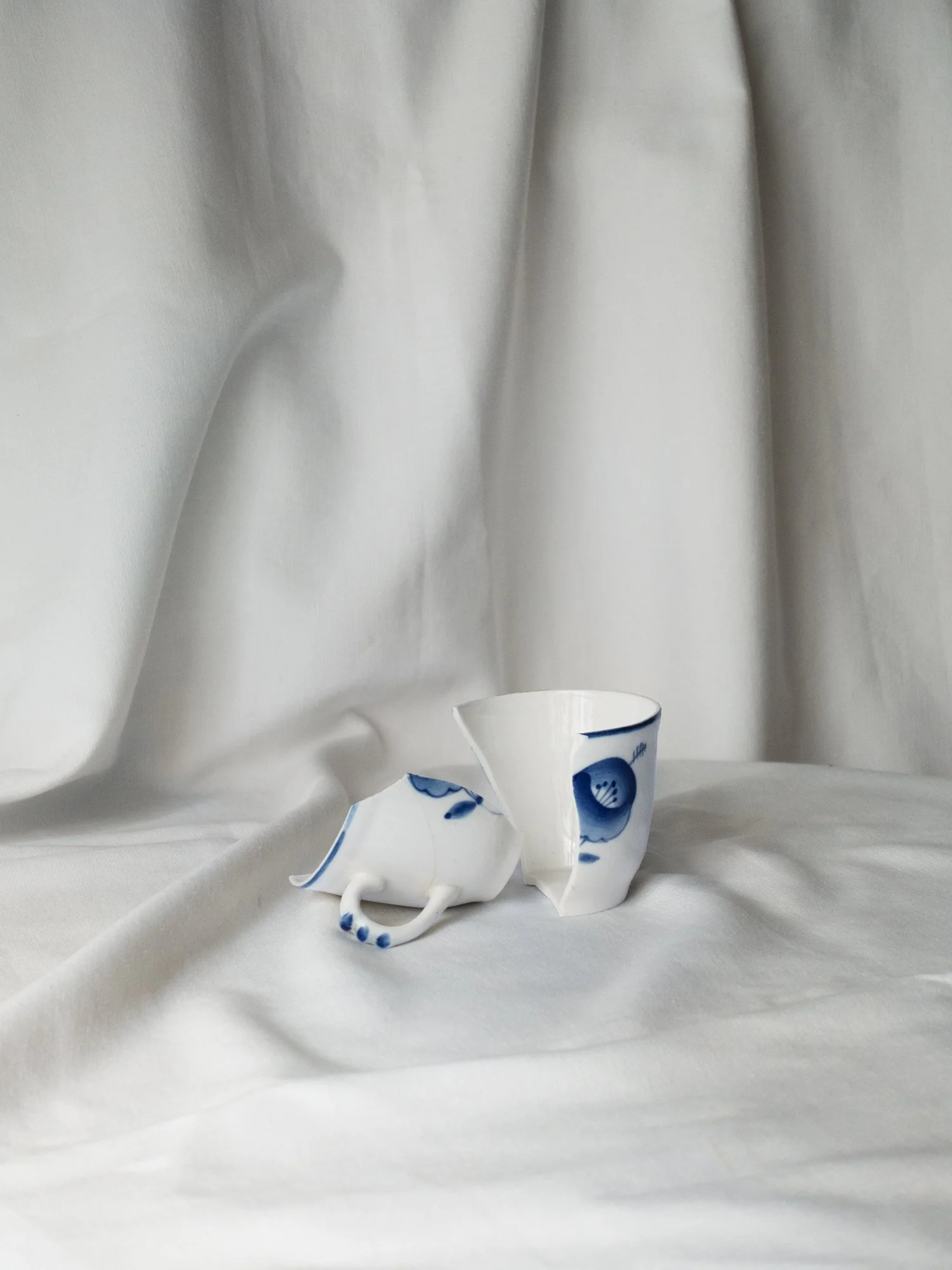
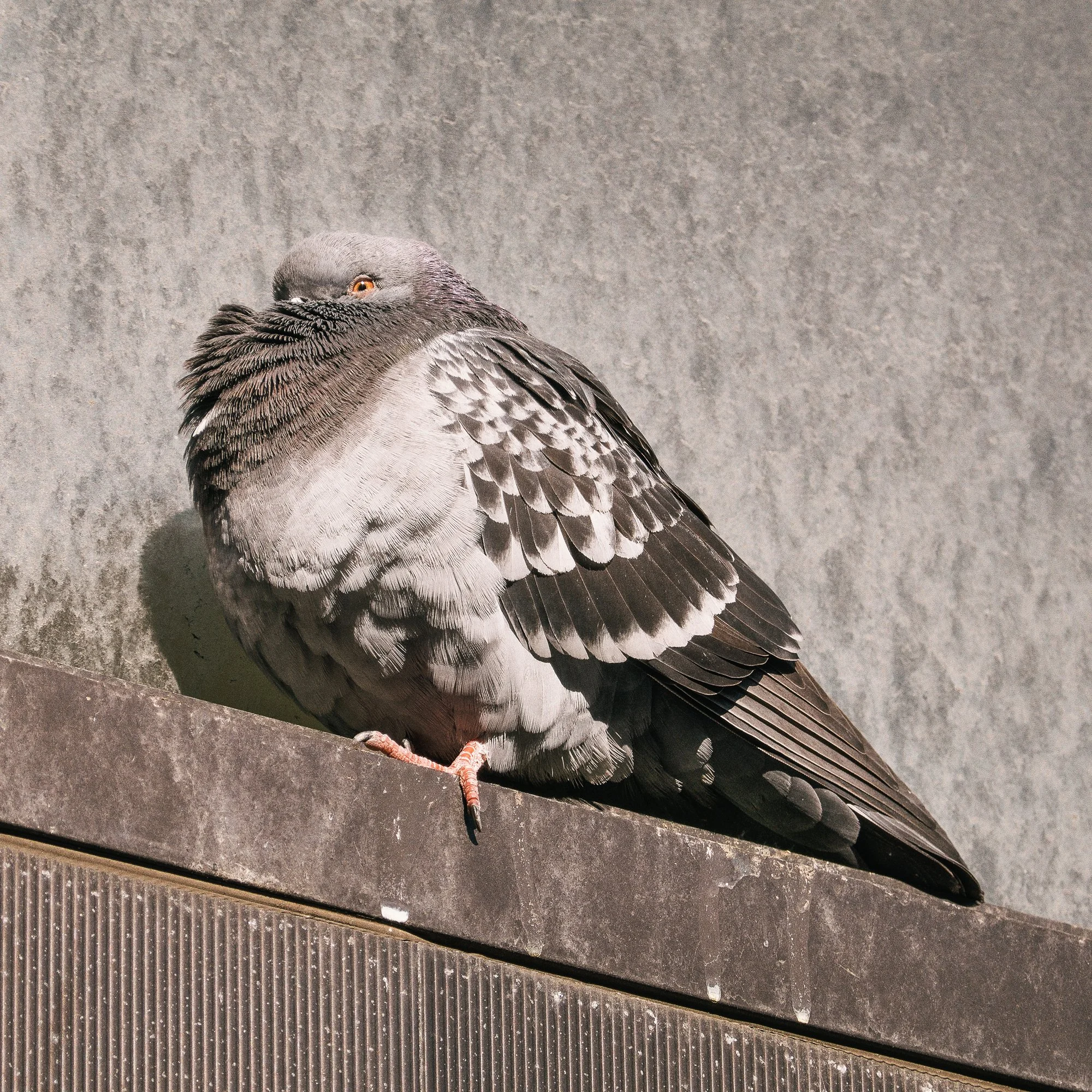
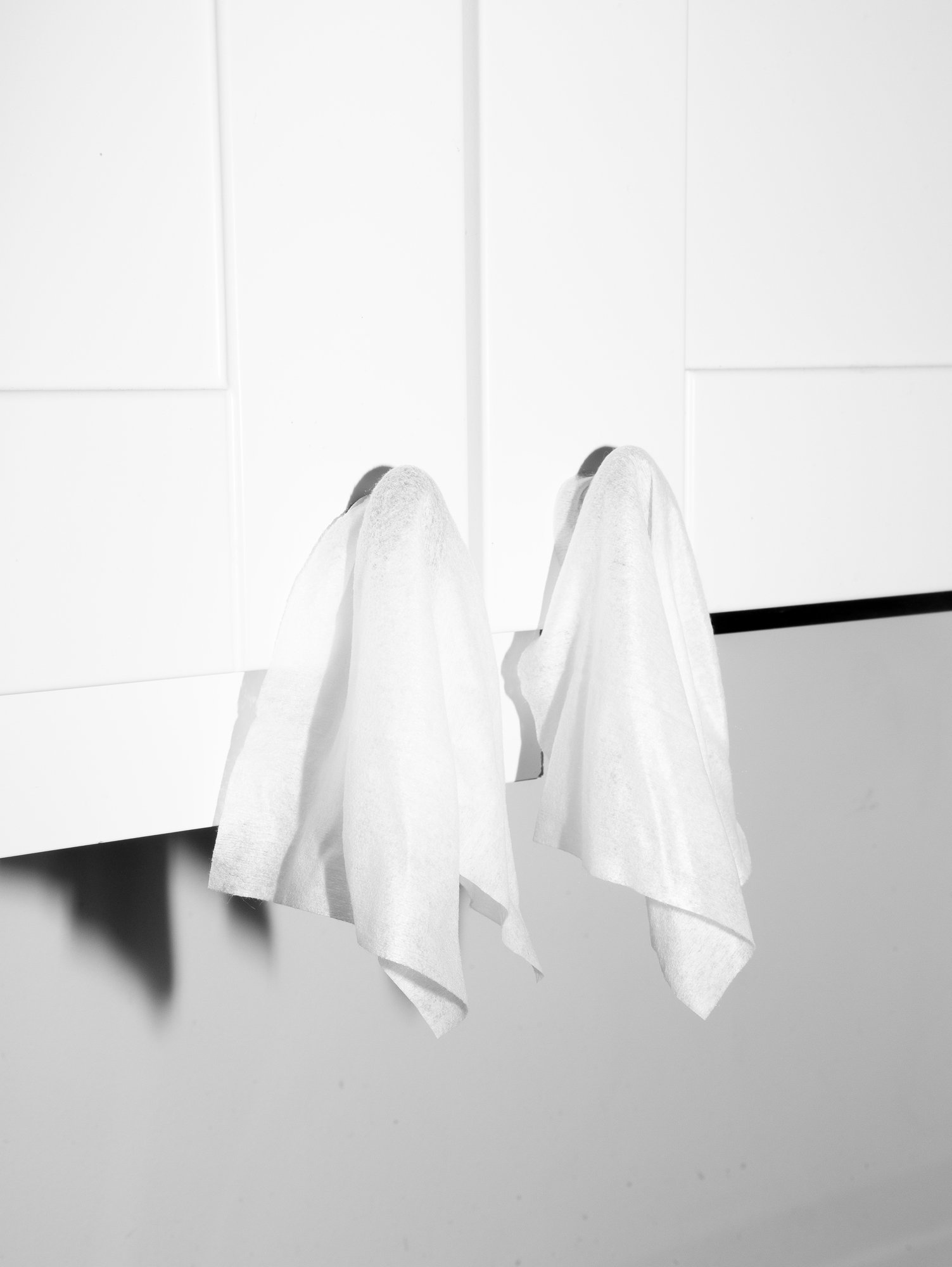
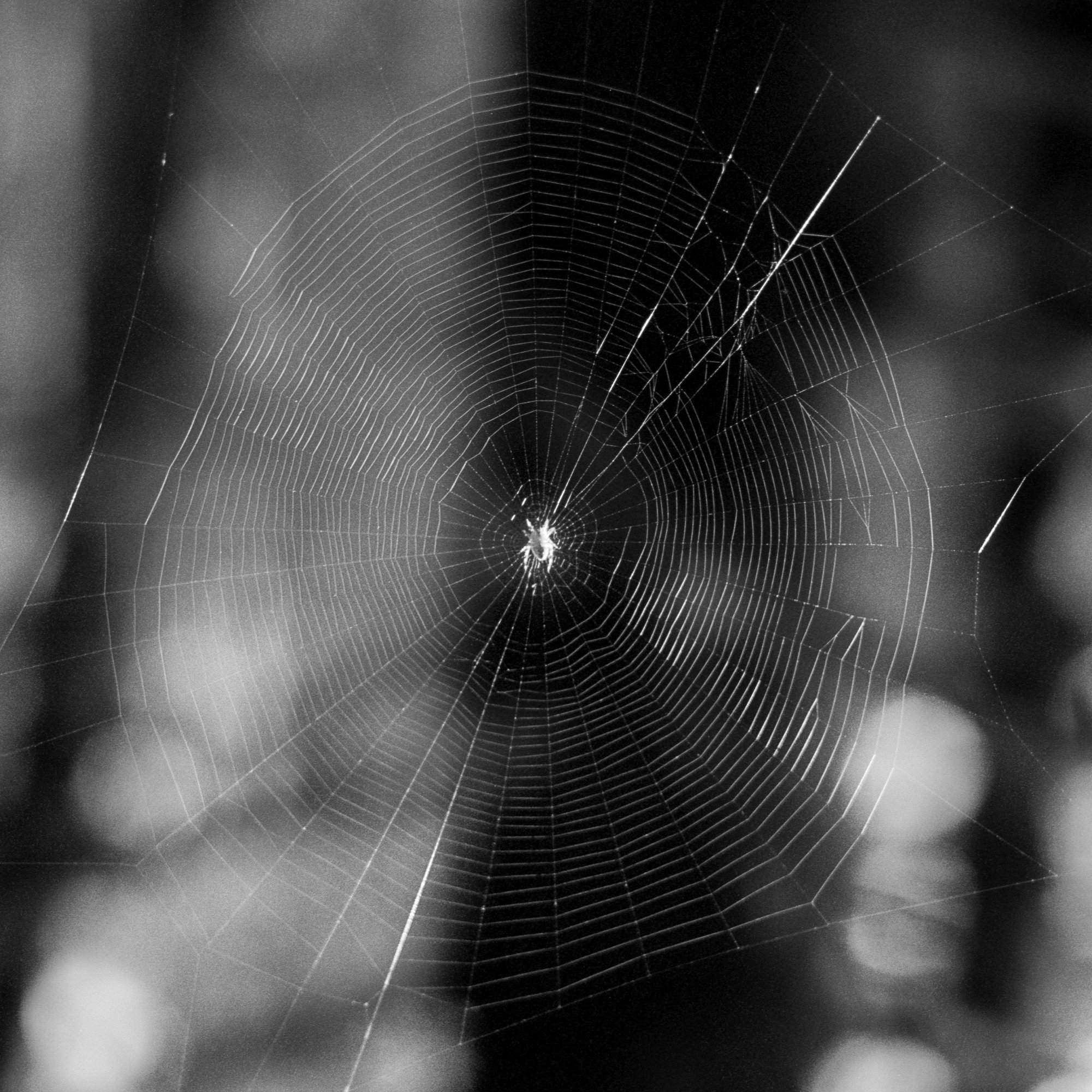
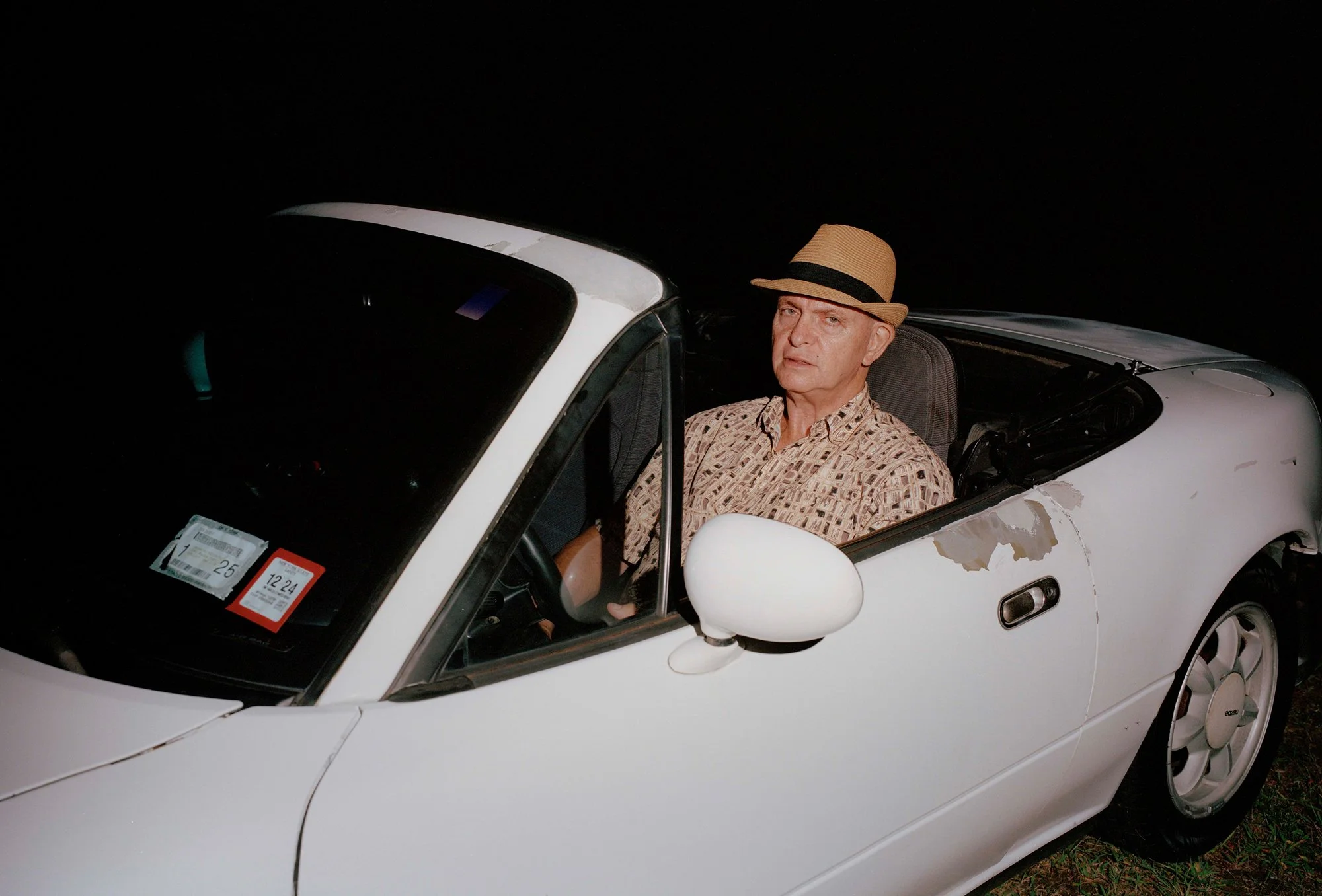
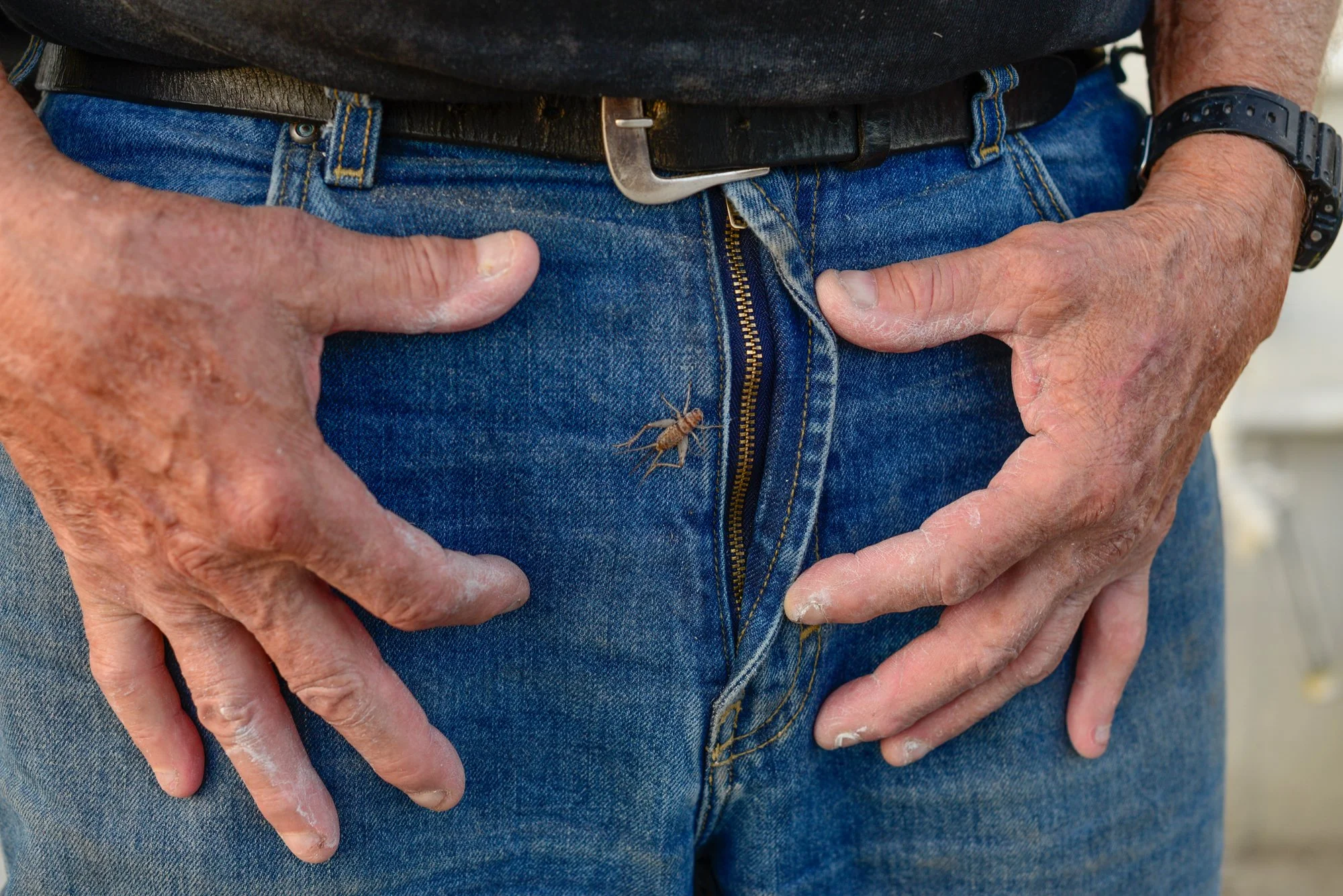
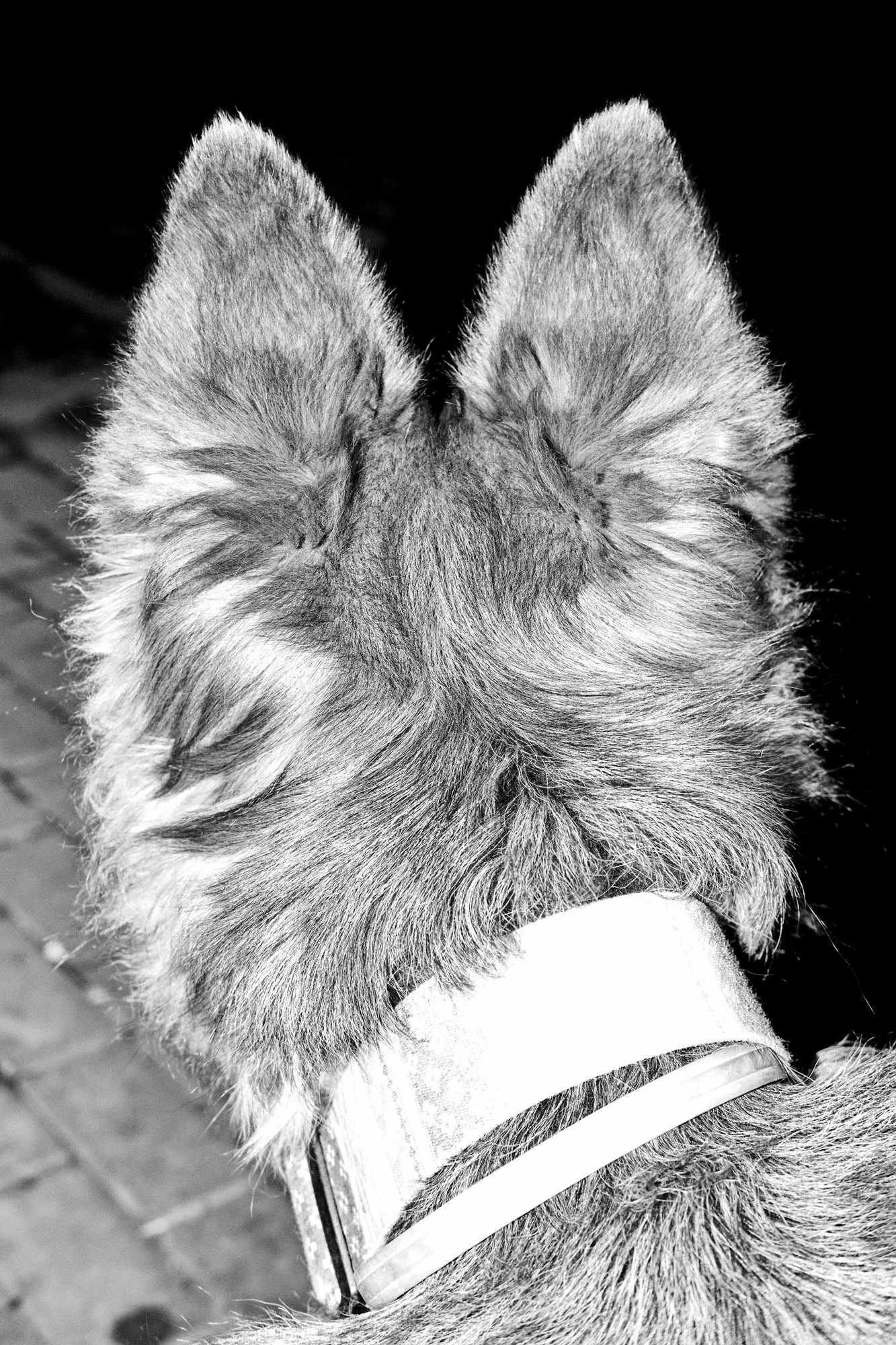
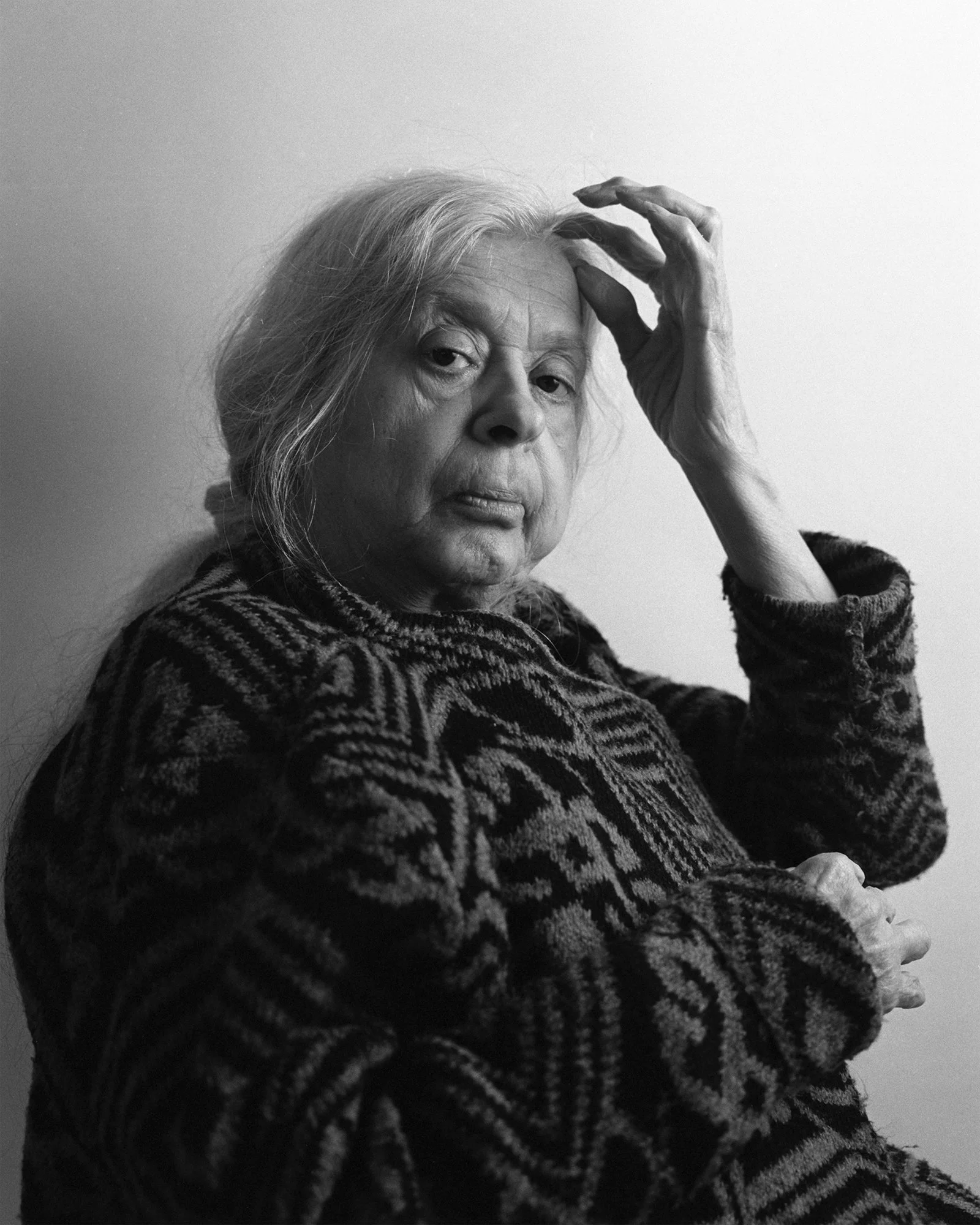
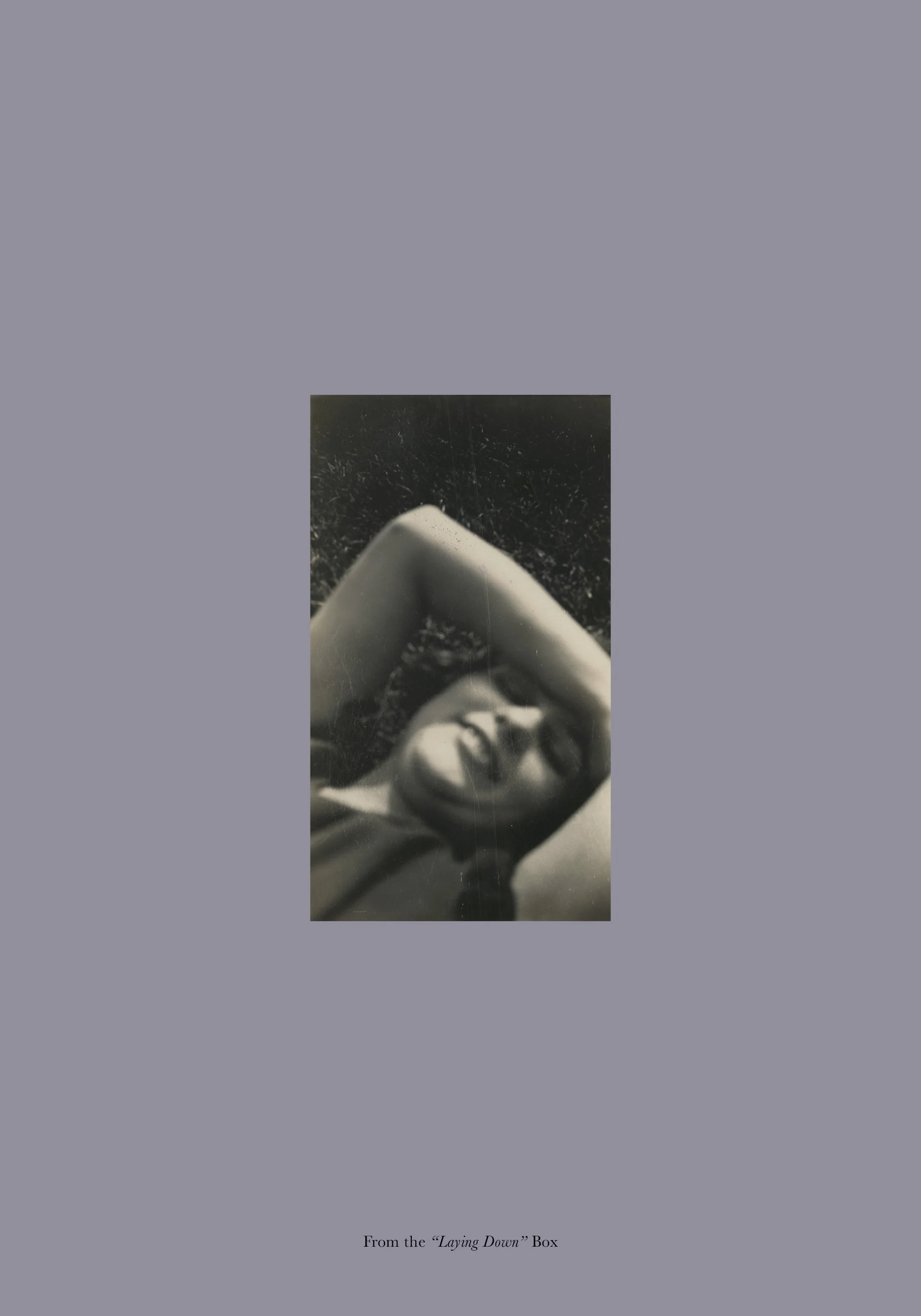
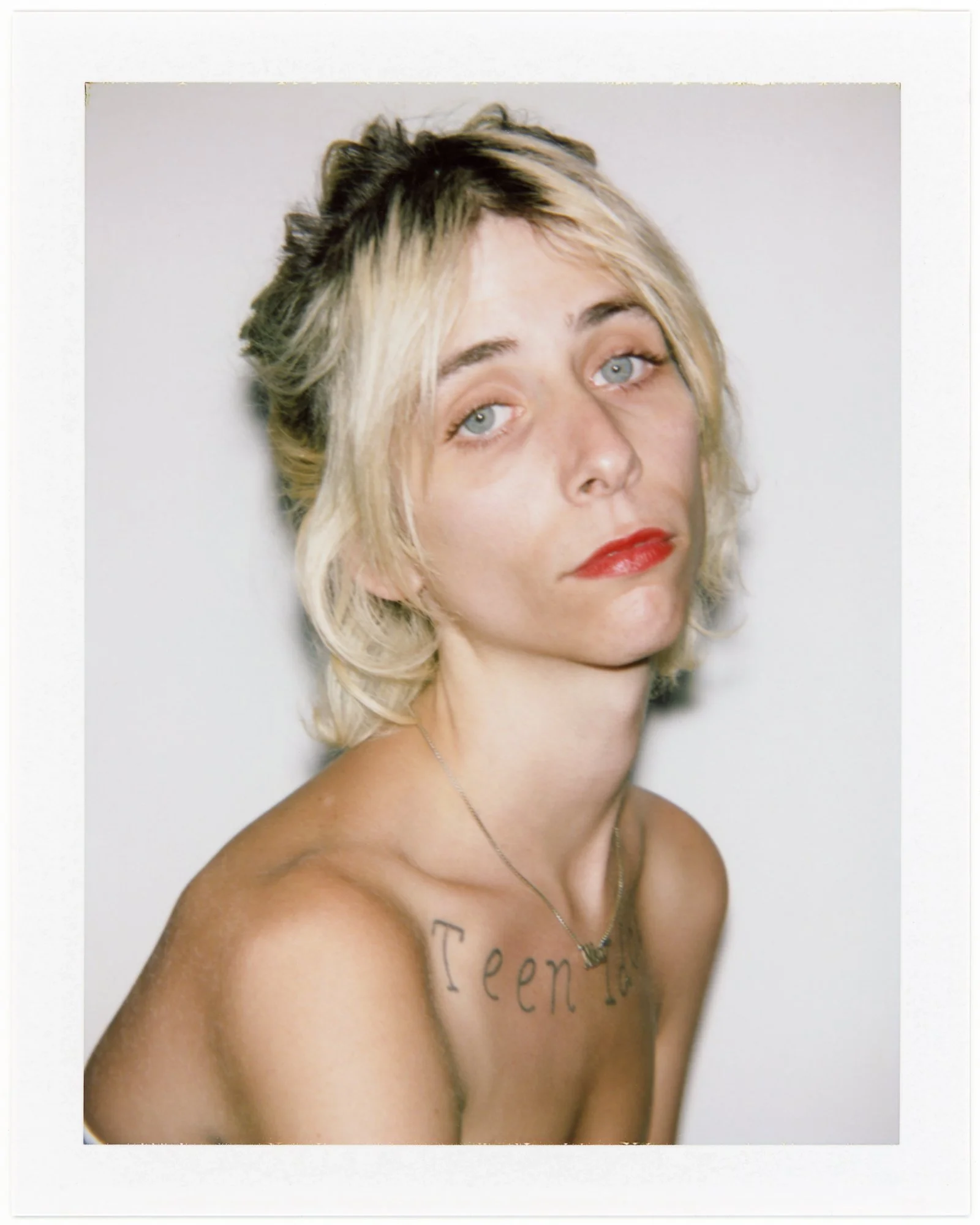
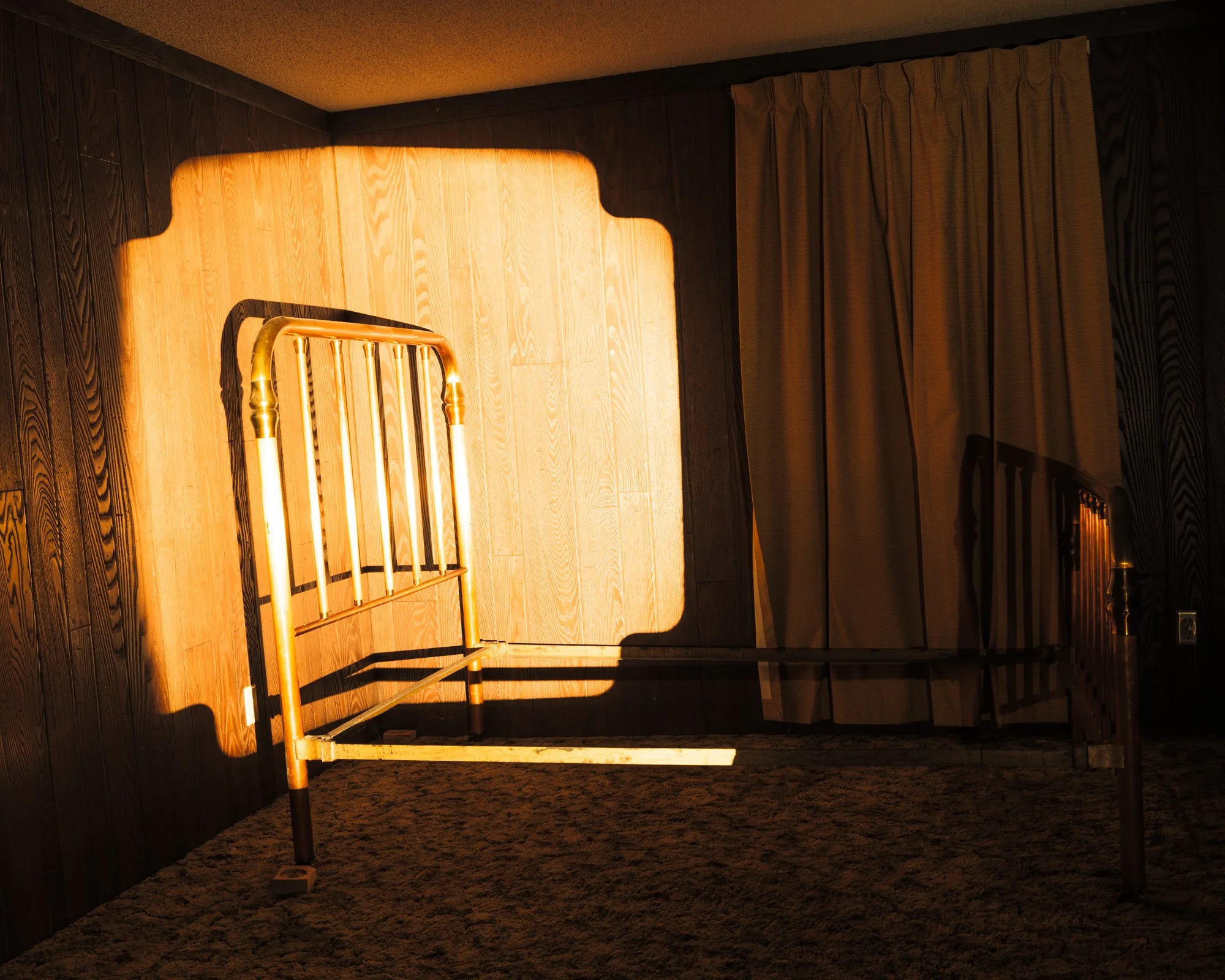
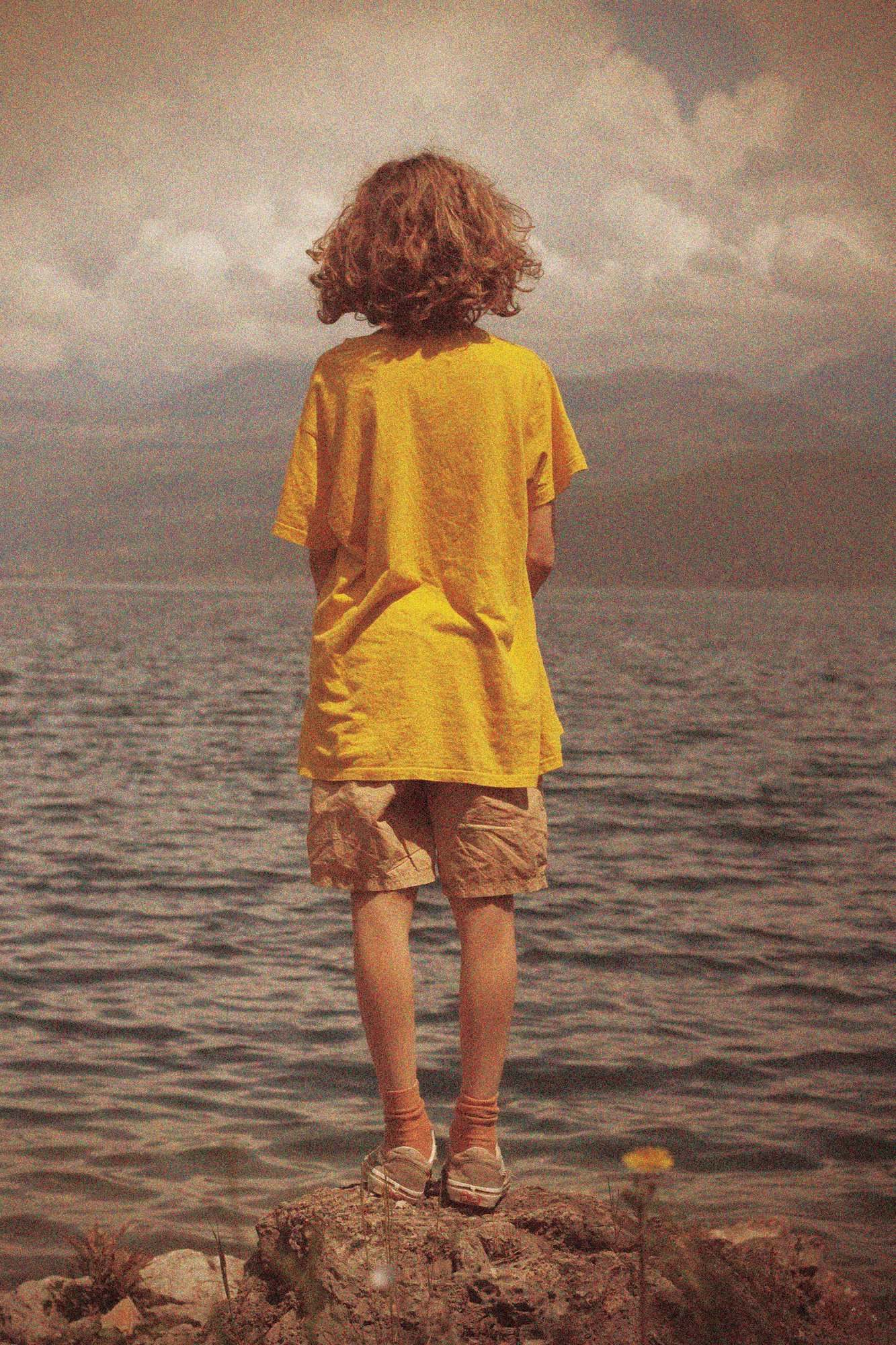
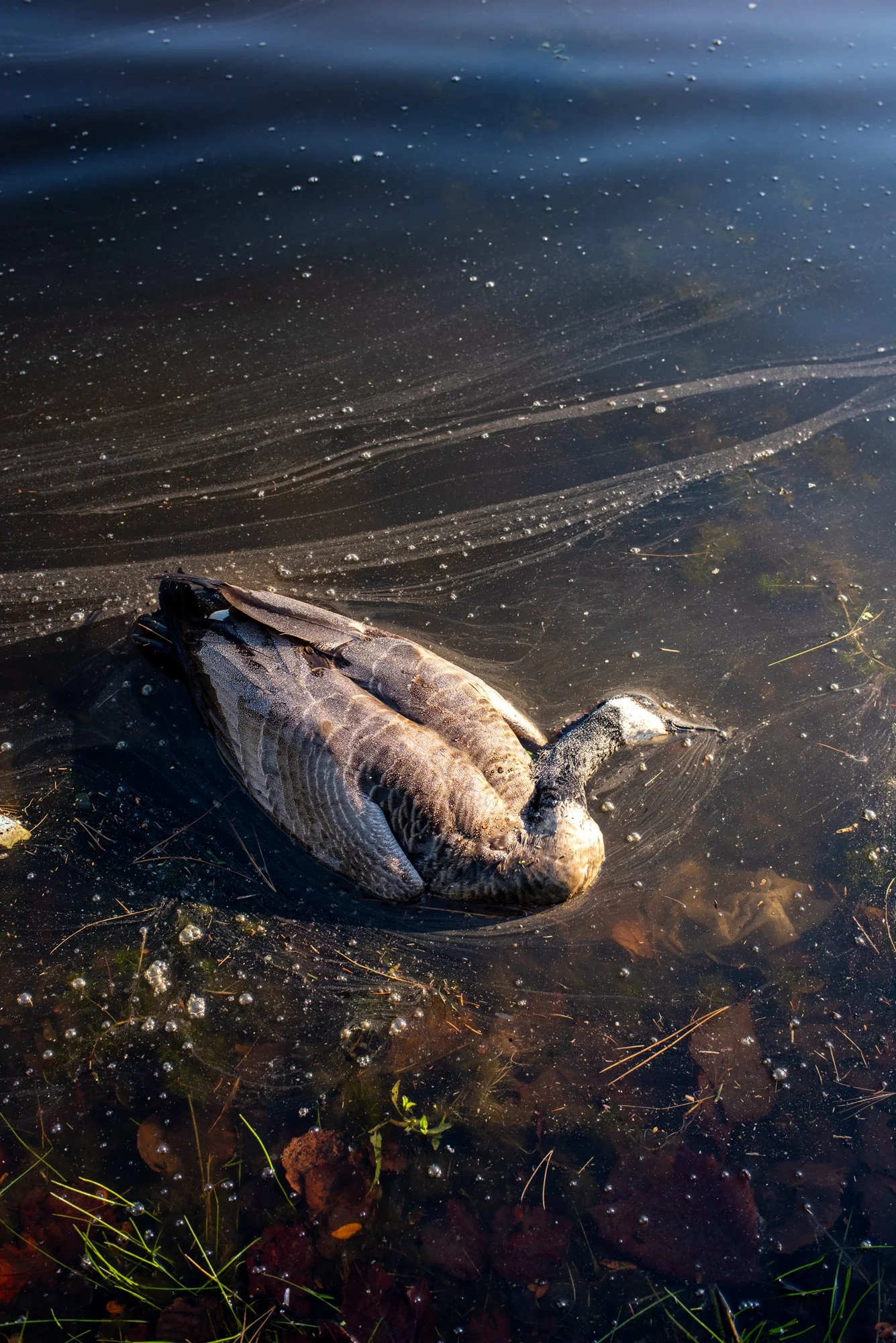
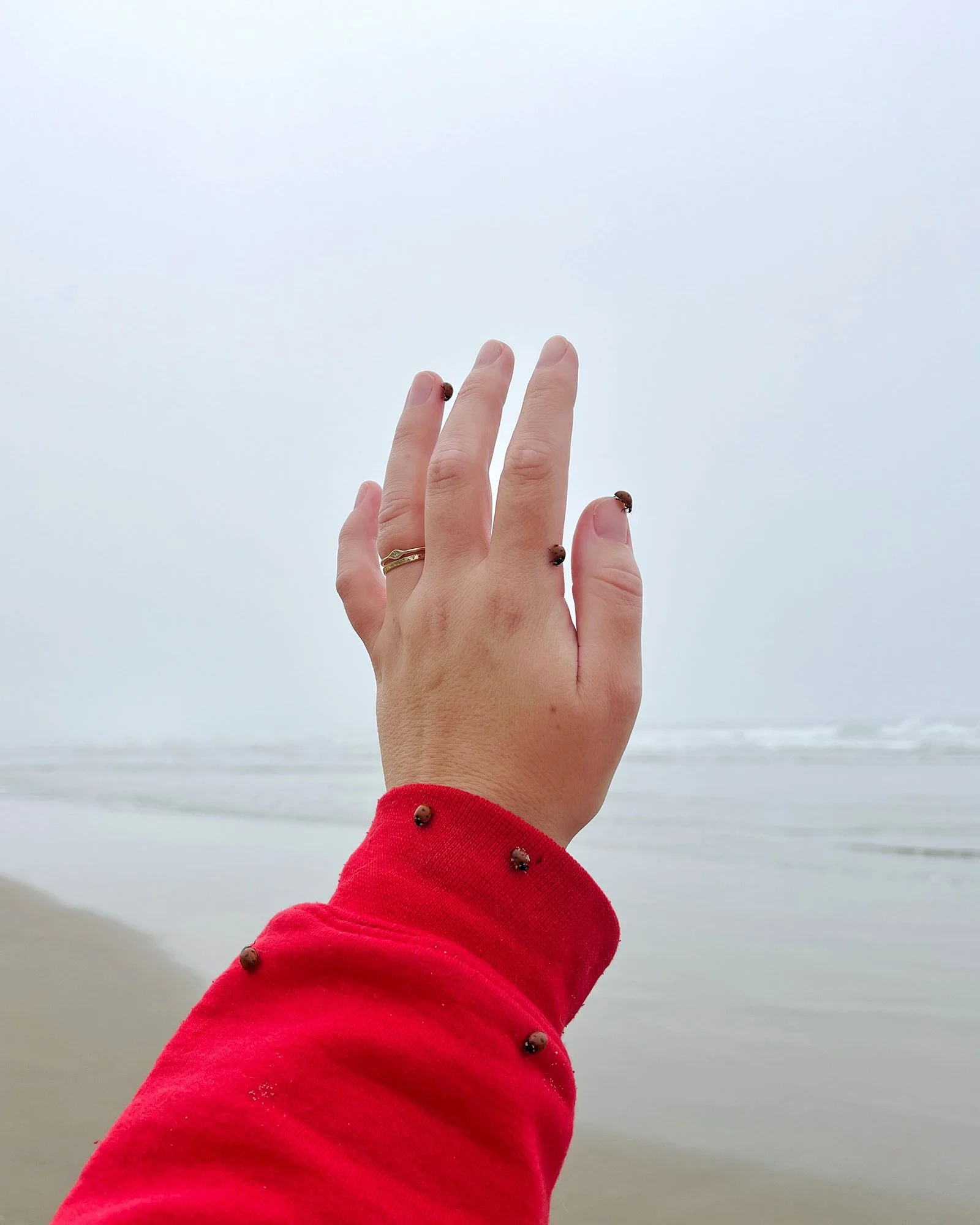
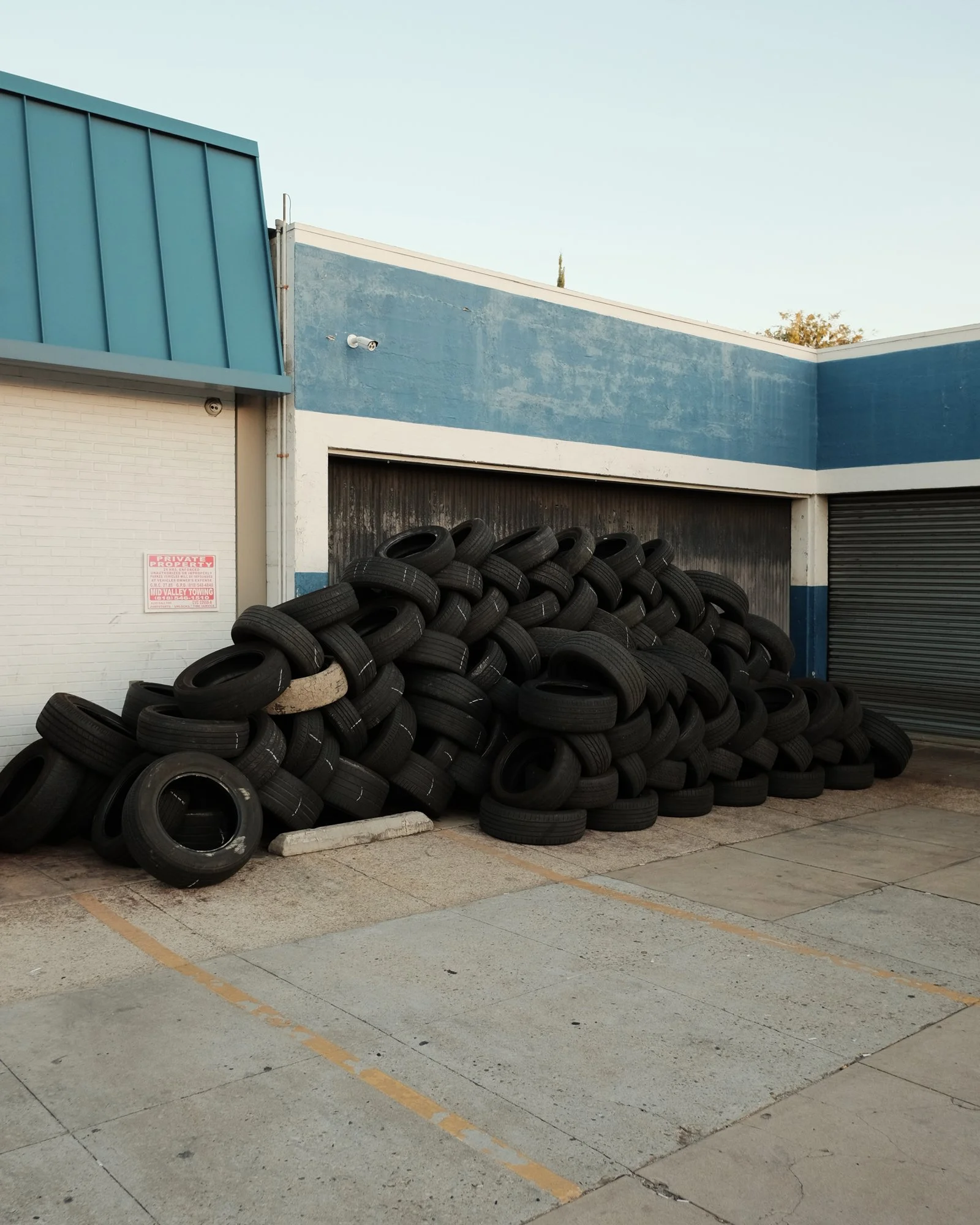
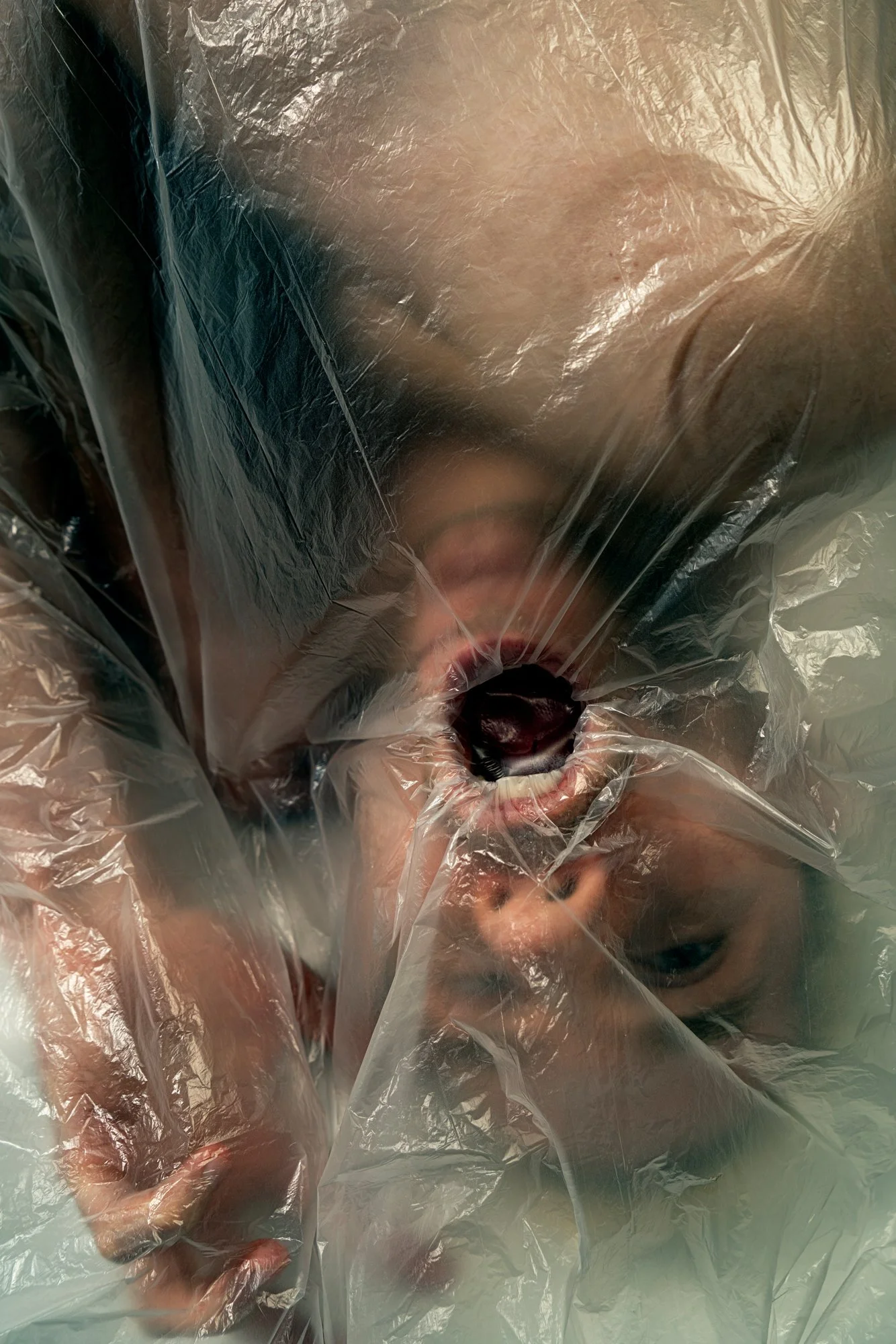
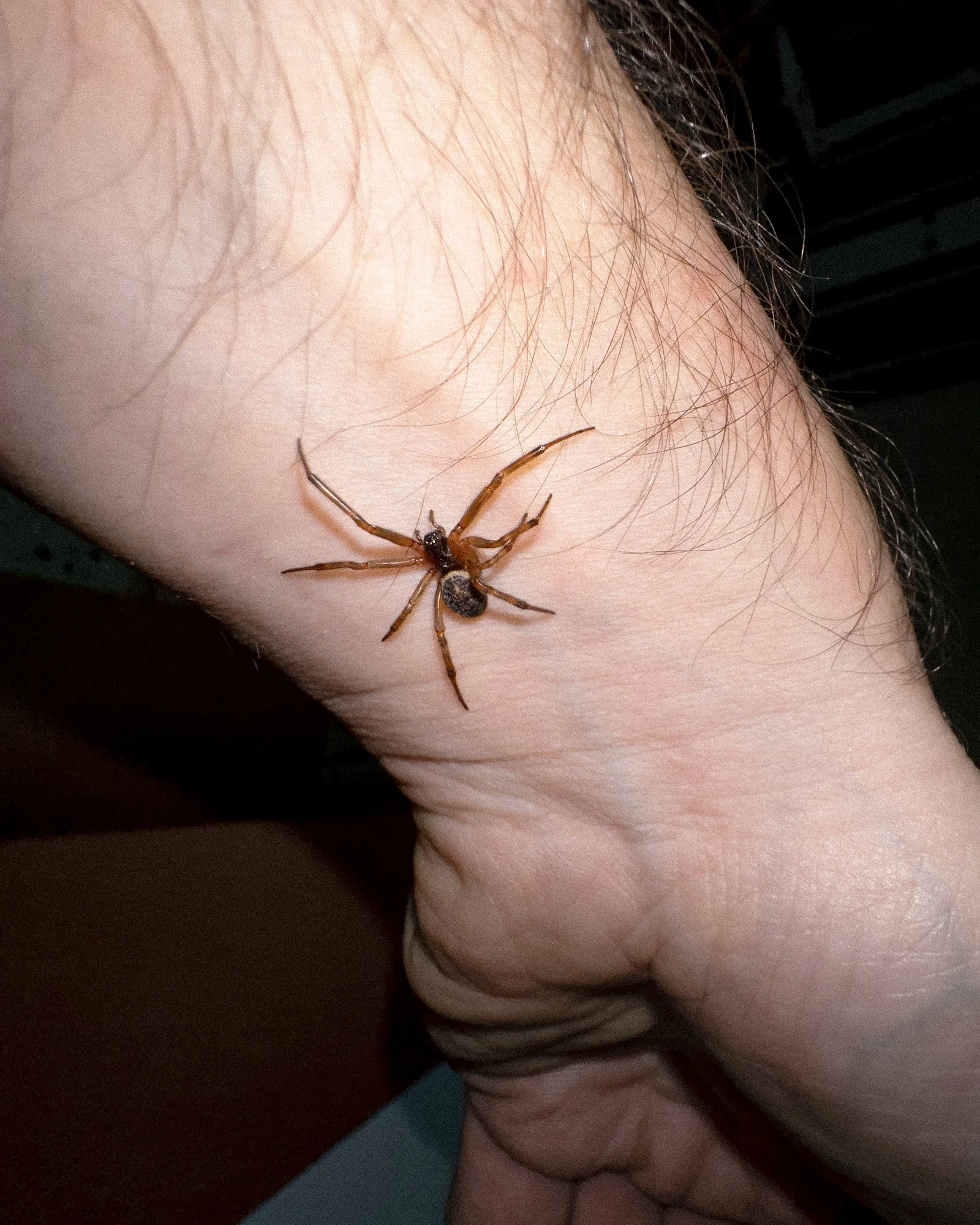
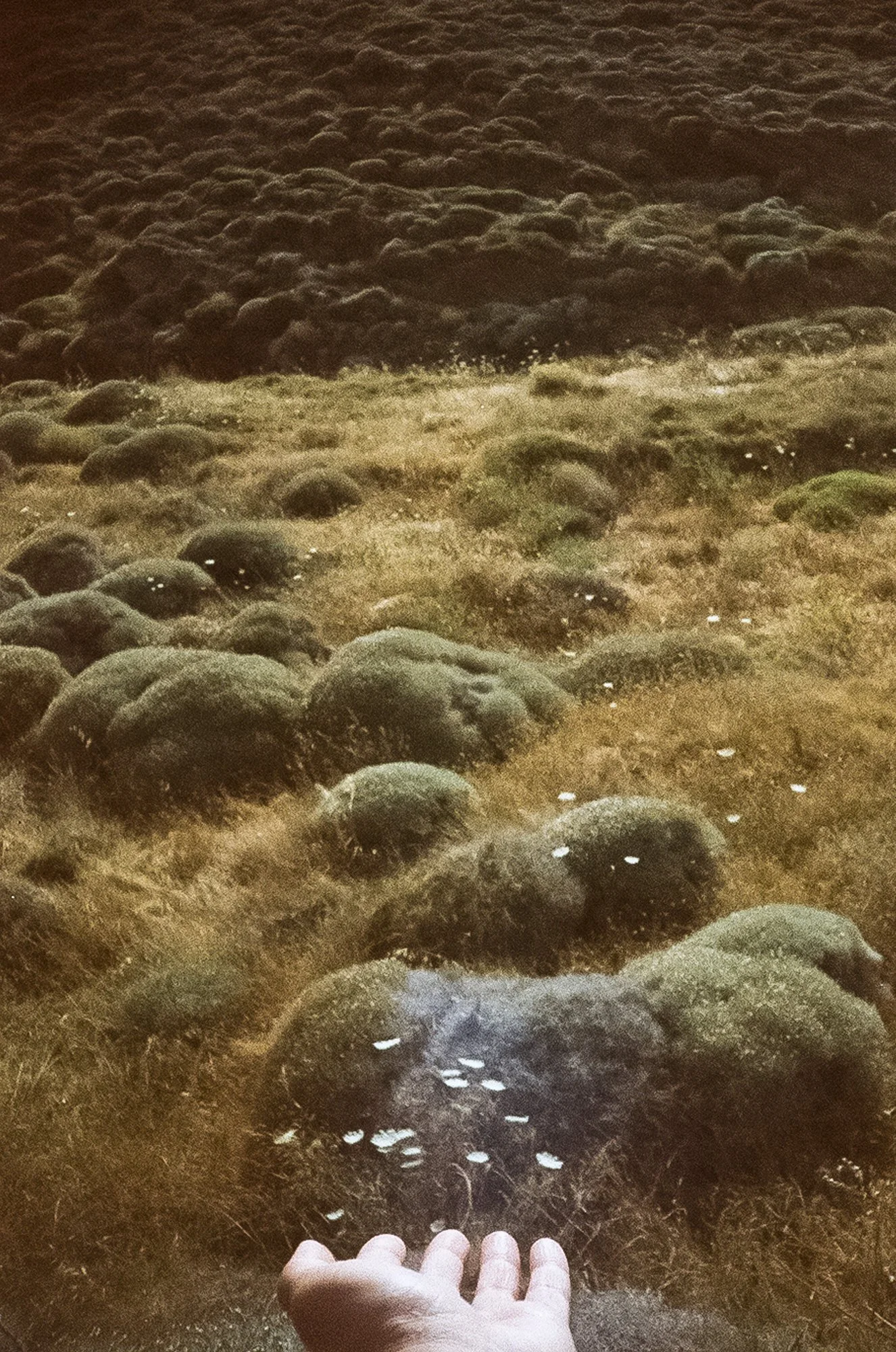
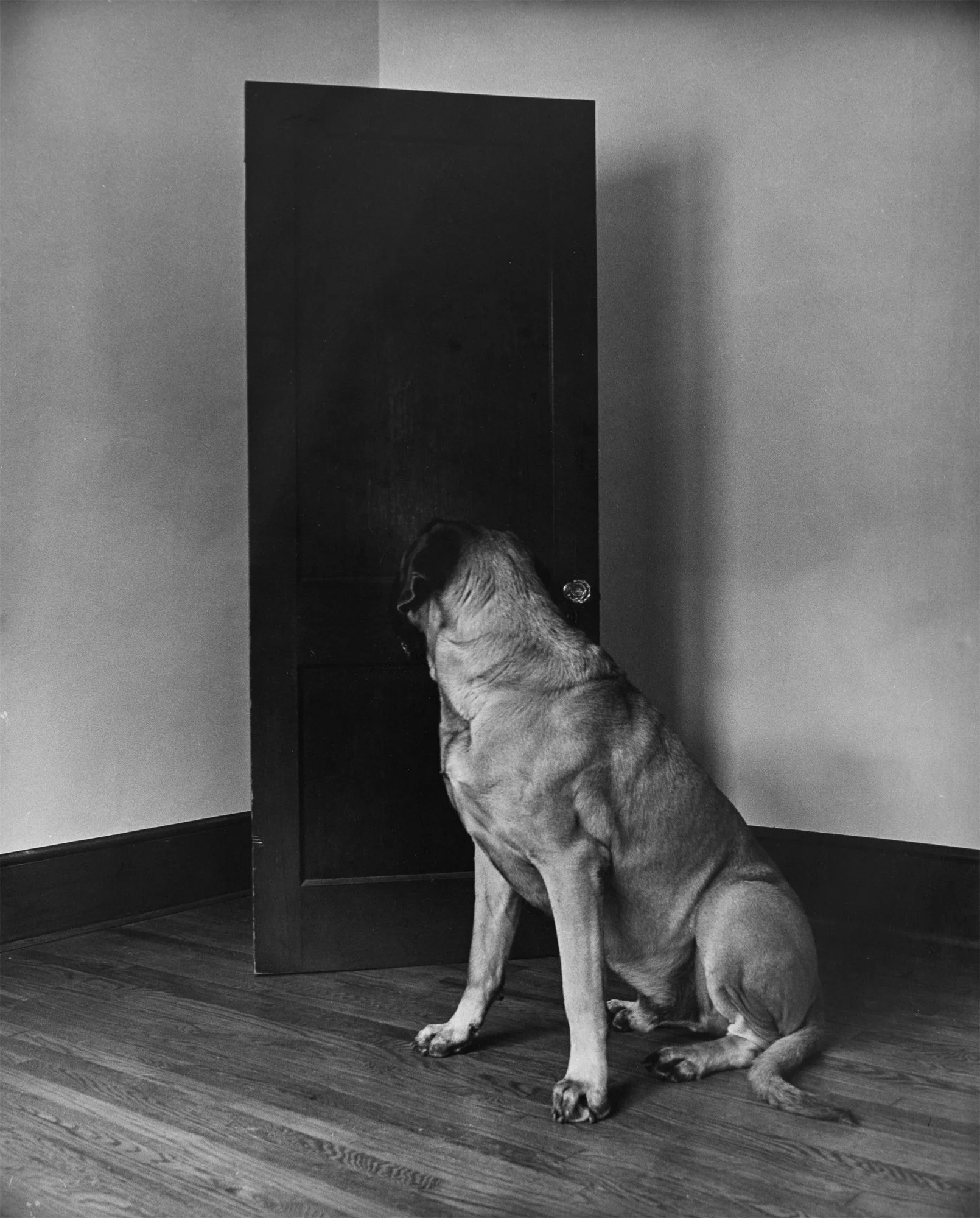
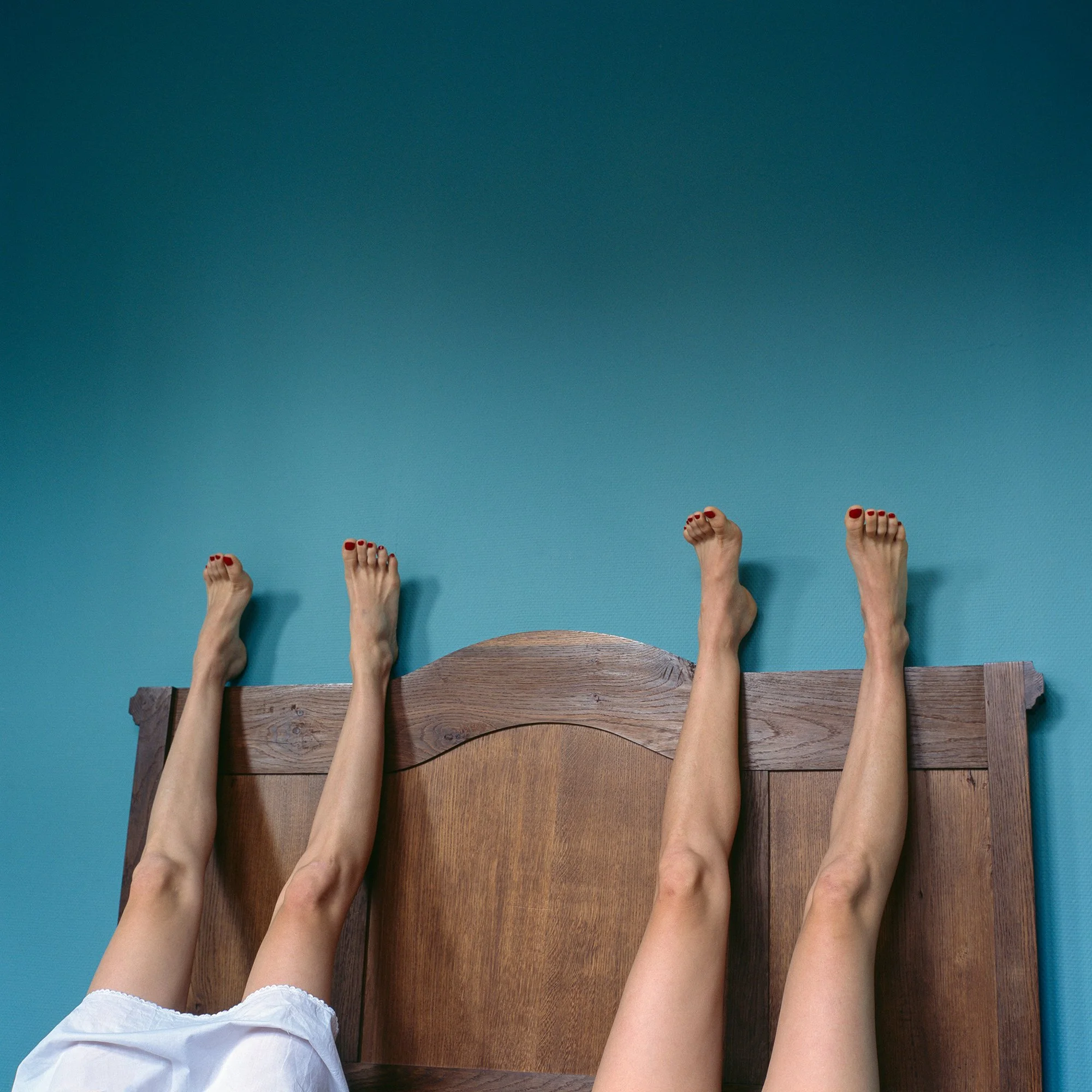
Each spread in Re:collection brings together one-two contemporary images and one archival, chosen for the ways they echo or challenge each other. Sometimes the connection is formal: a mirrored pose, a shared horizon line, a recurring object. Sometimes it is emotional: a similar tenderness, an awkwardness, a quiet sense of unease. At other moments, it is almost uncanny, as if two photographs made decades apart had been waiting for each other. Through these pairings, the magazine becomes a kind of visual matchmaking - asking what becomes visible when we allow images to speak across time.
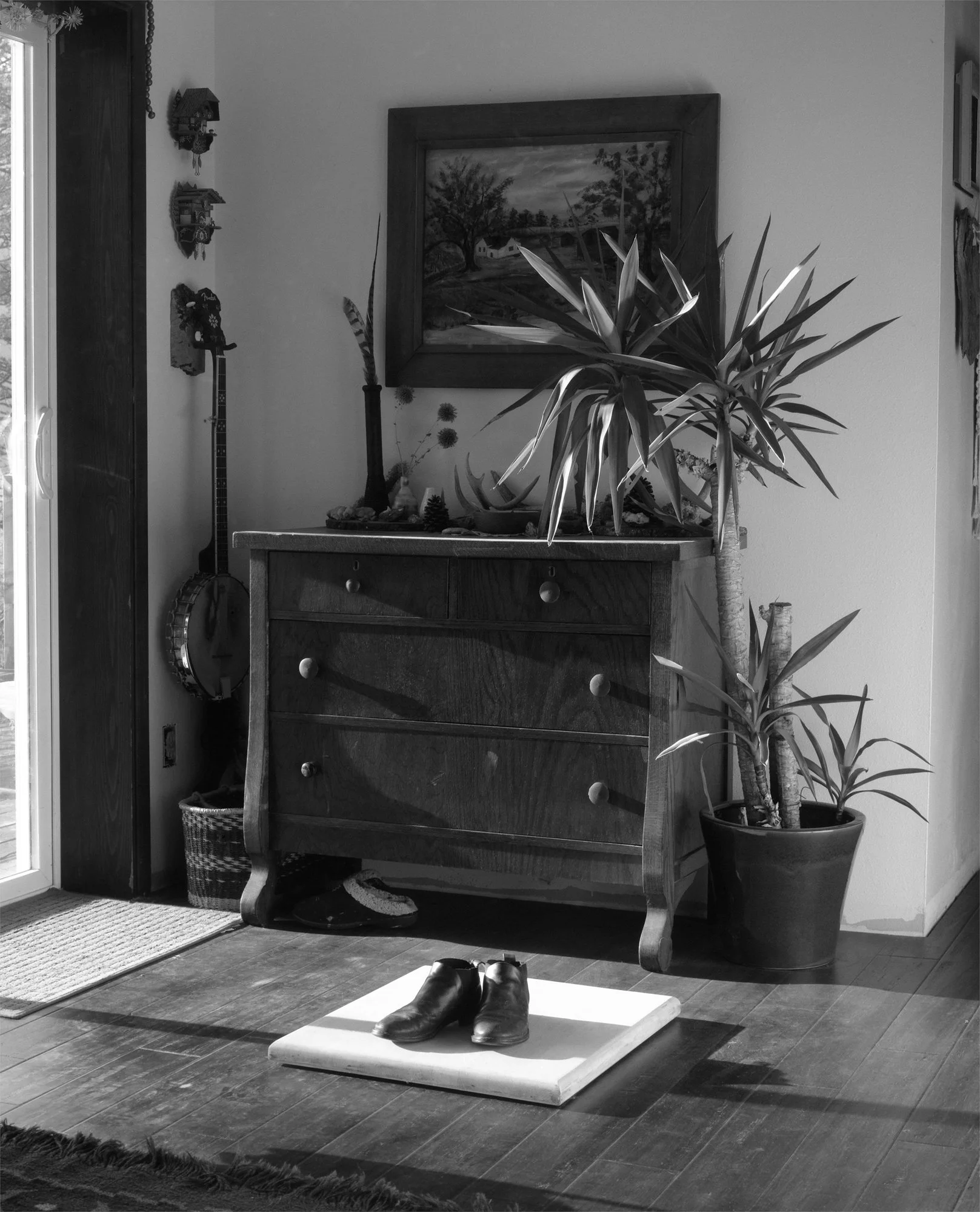
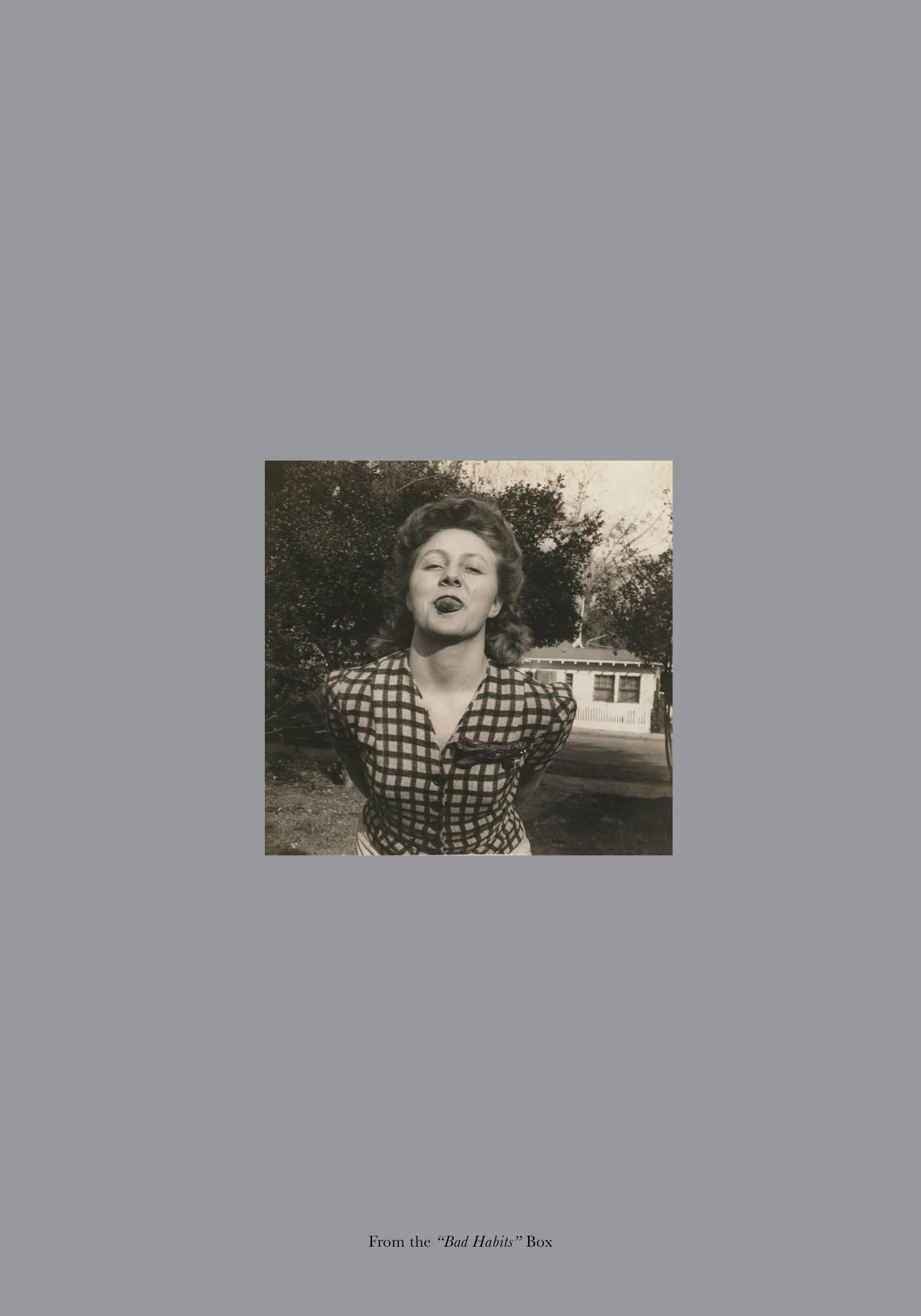
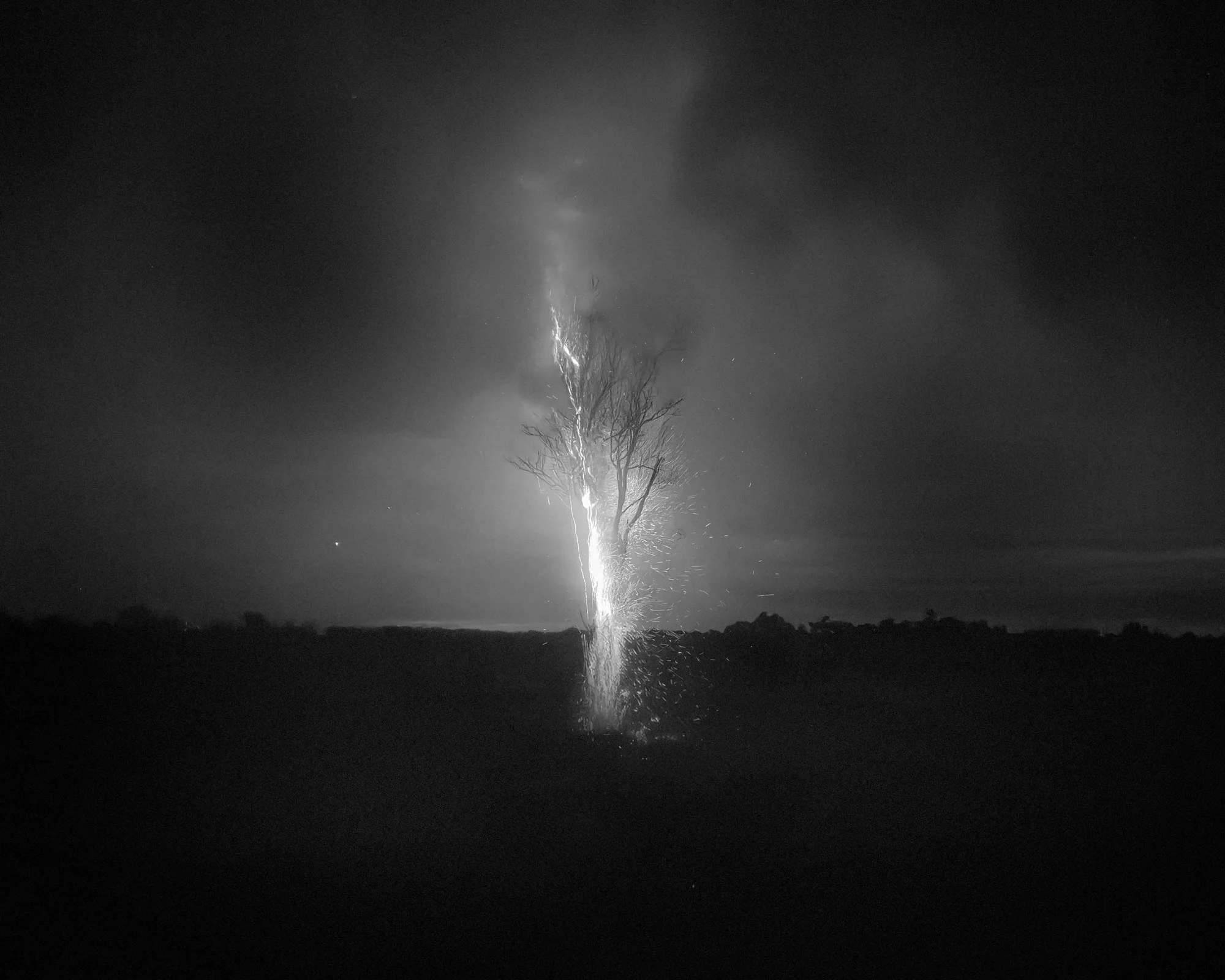
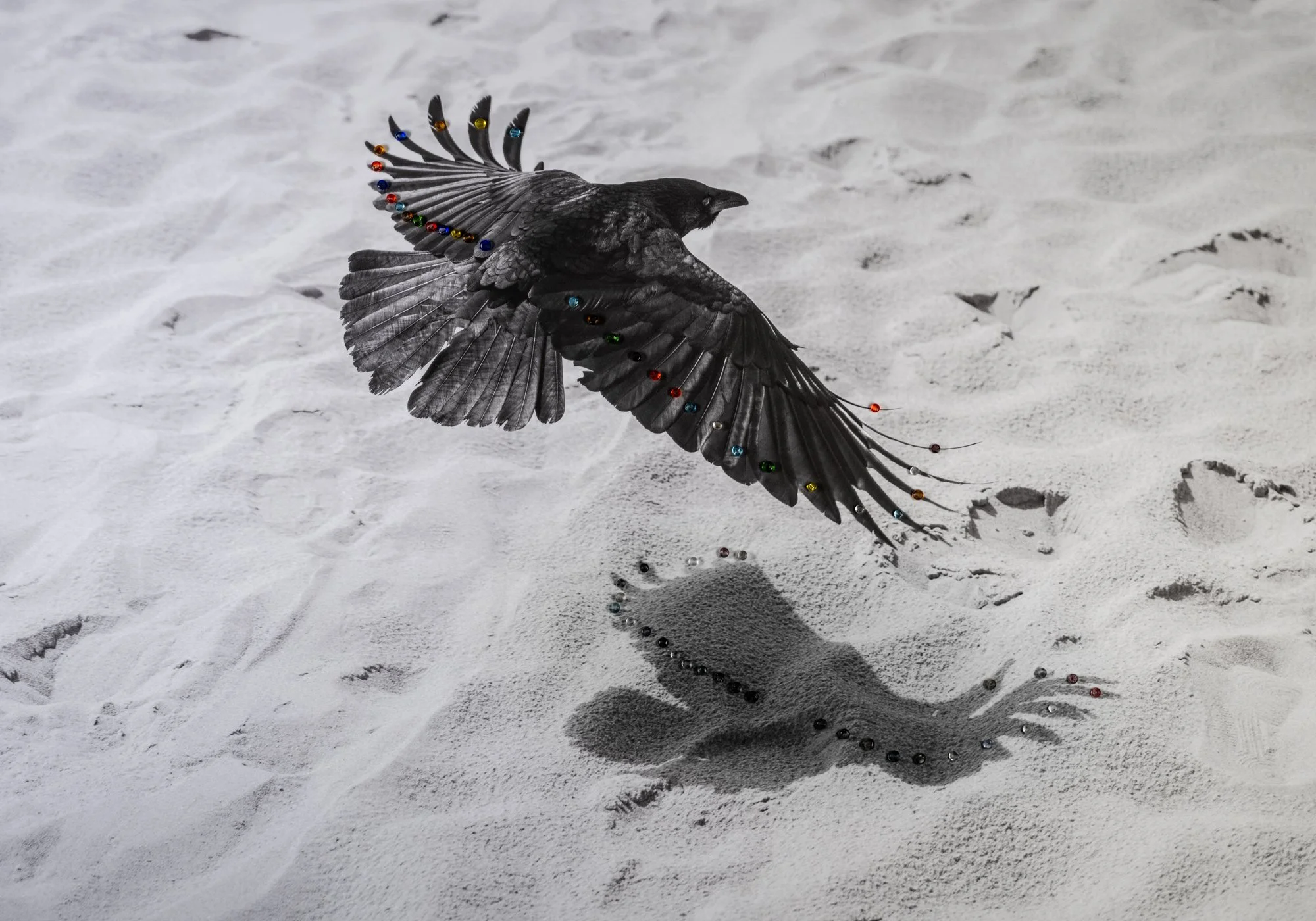
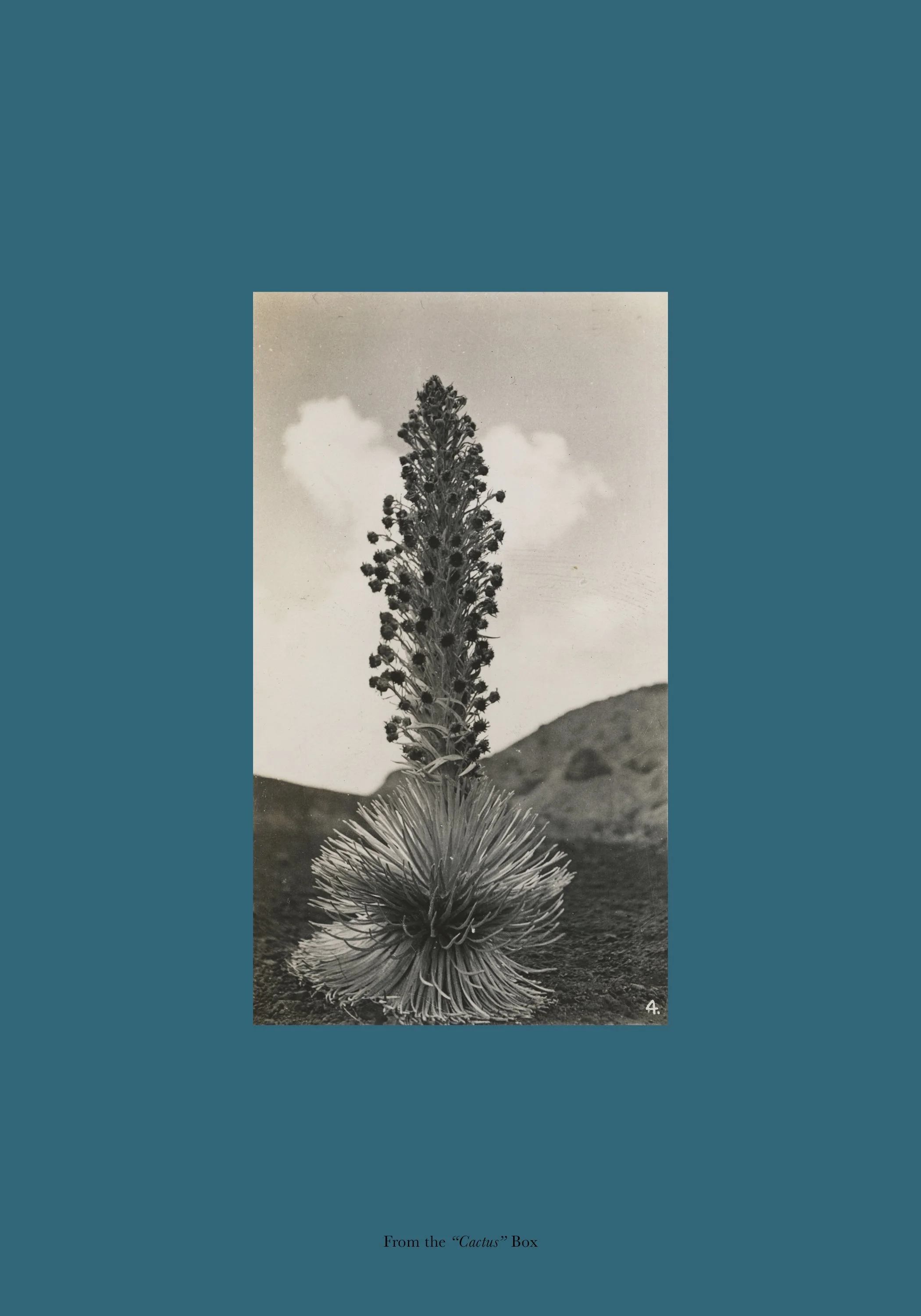
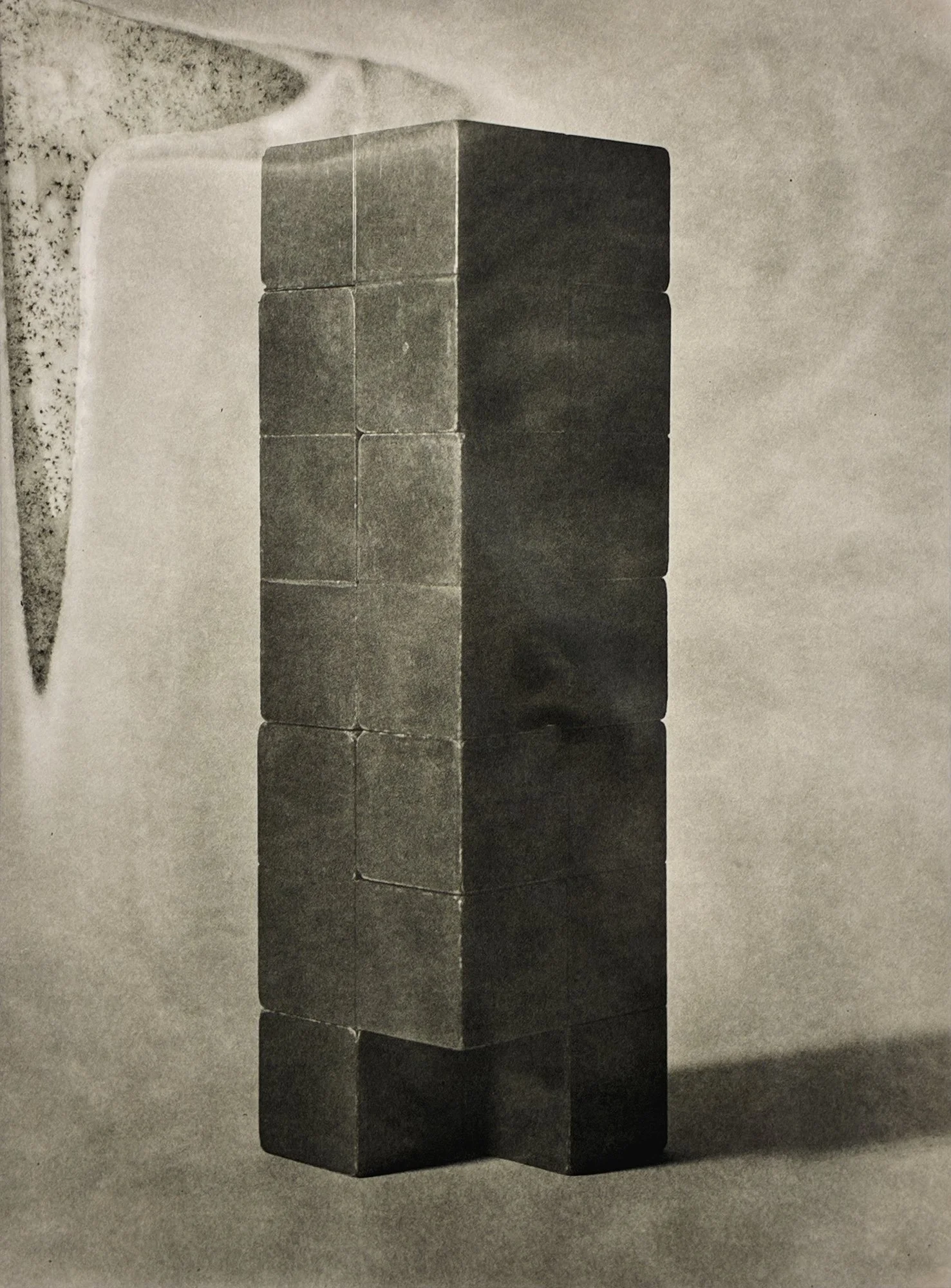
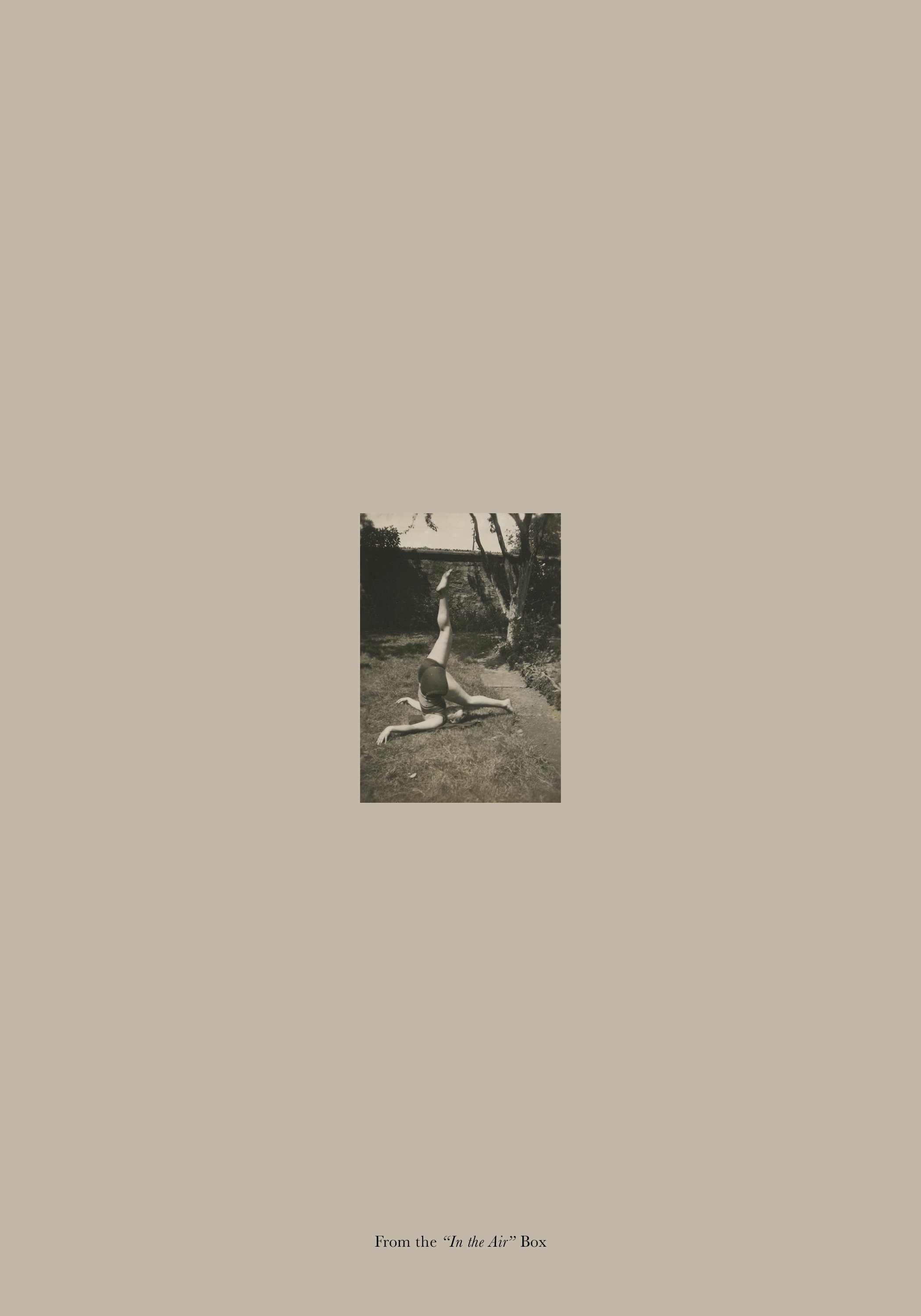
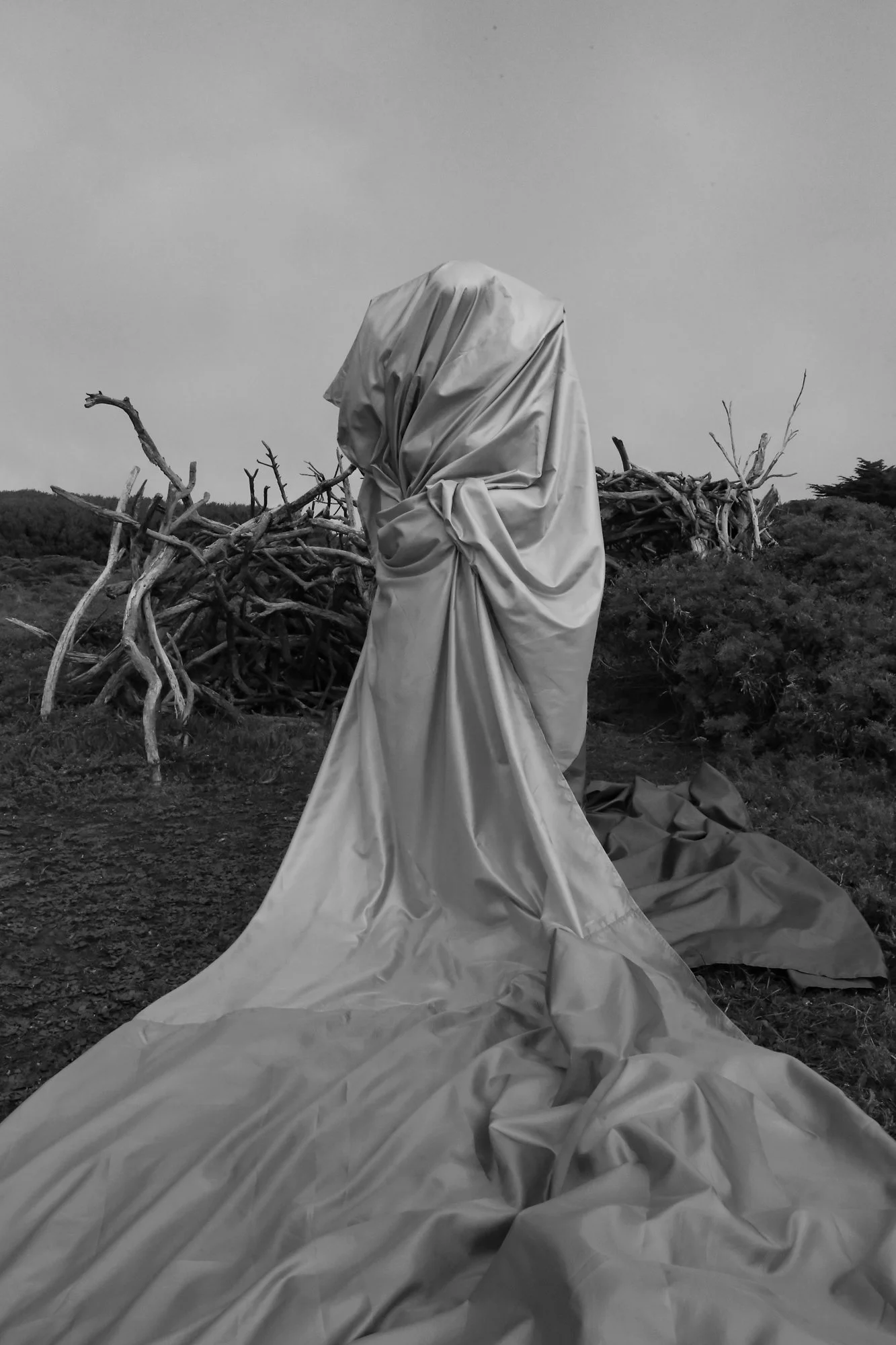
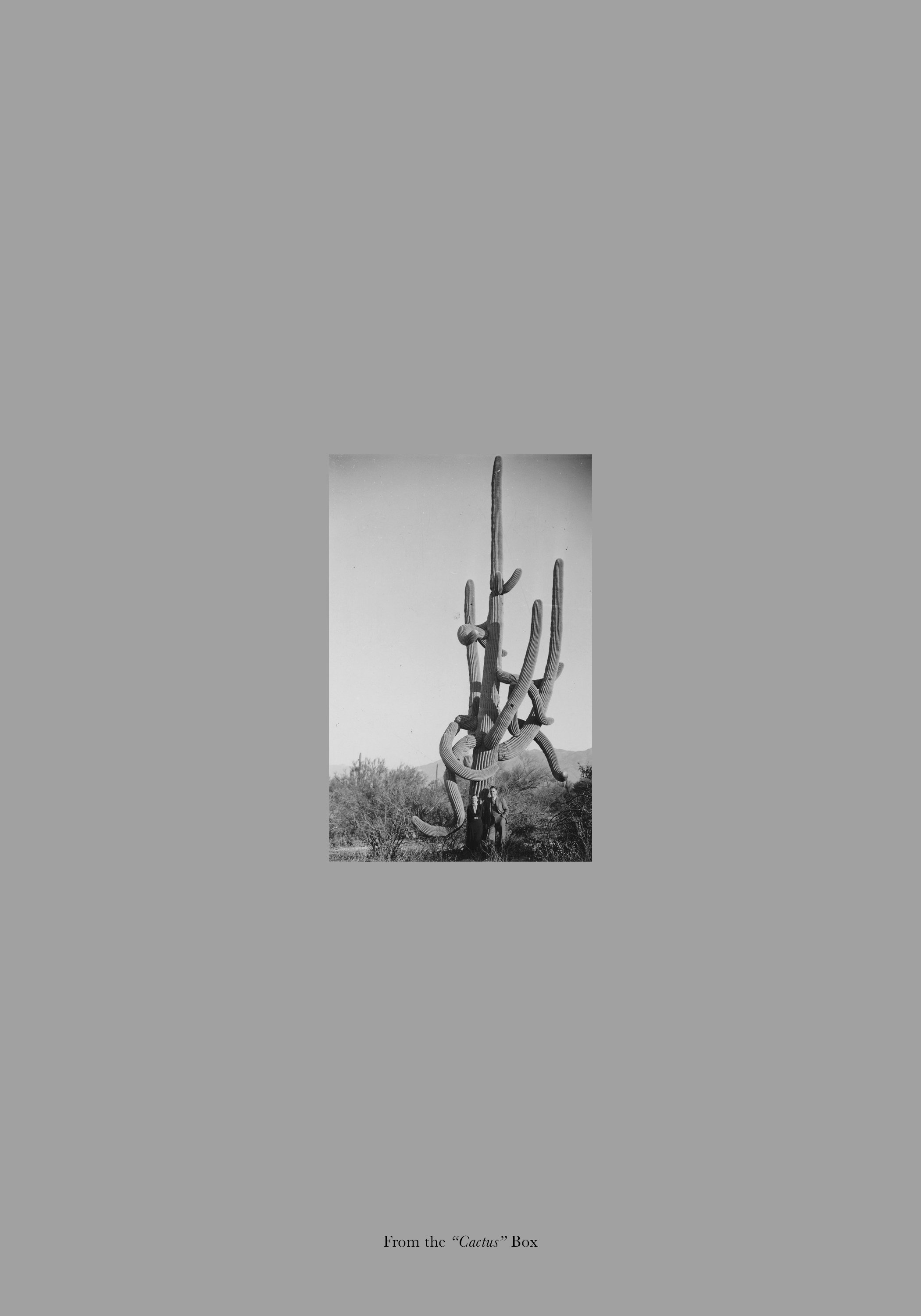
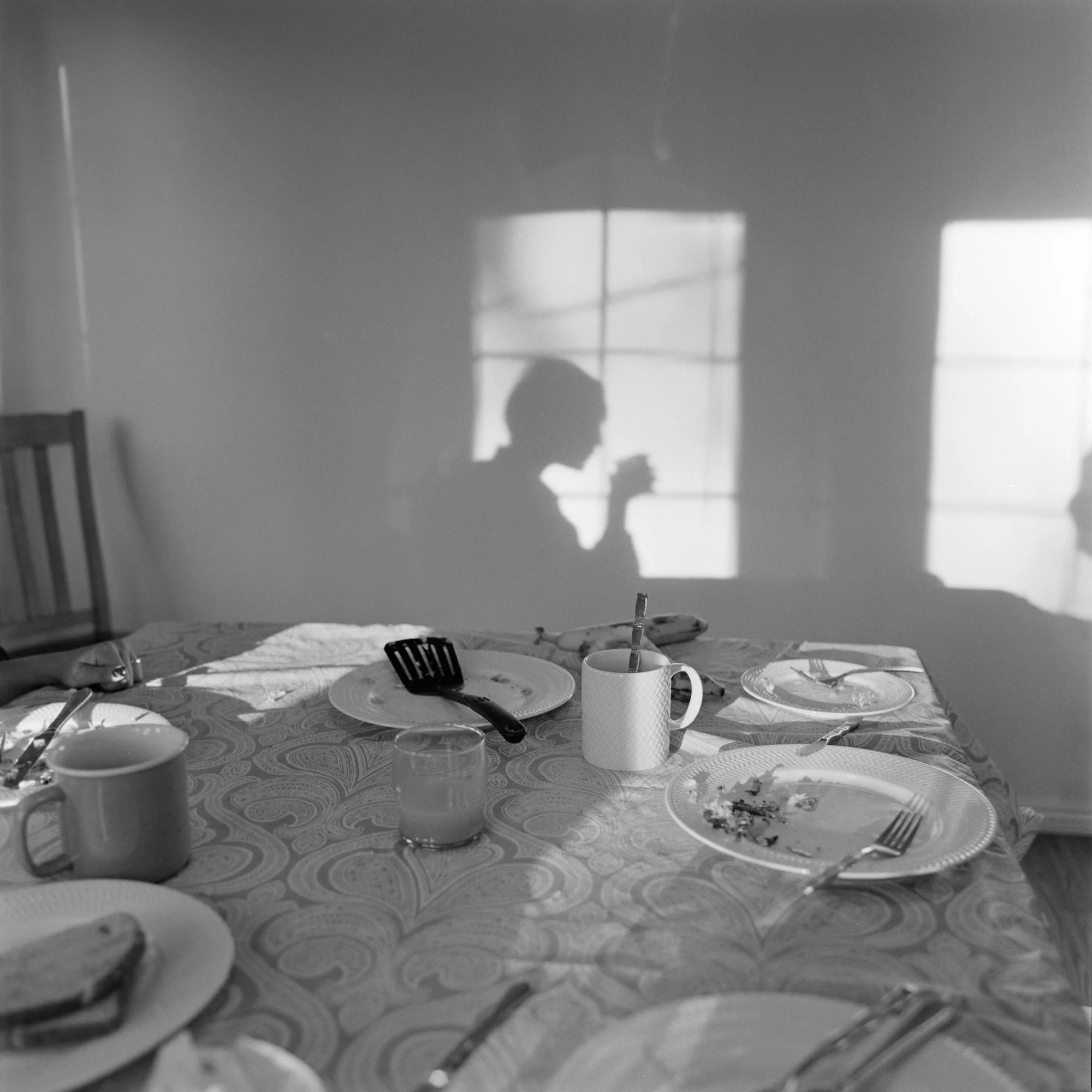
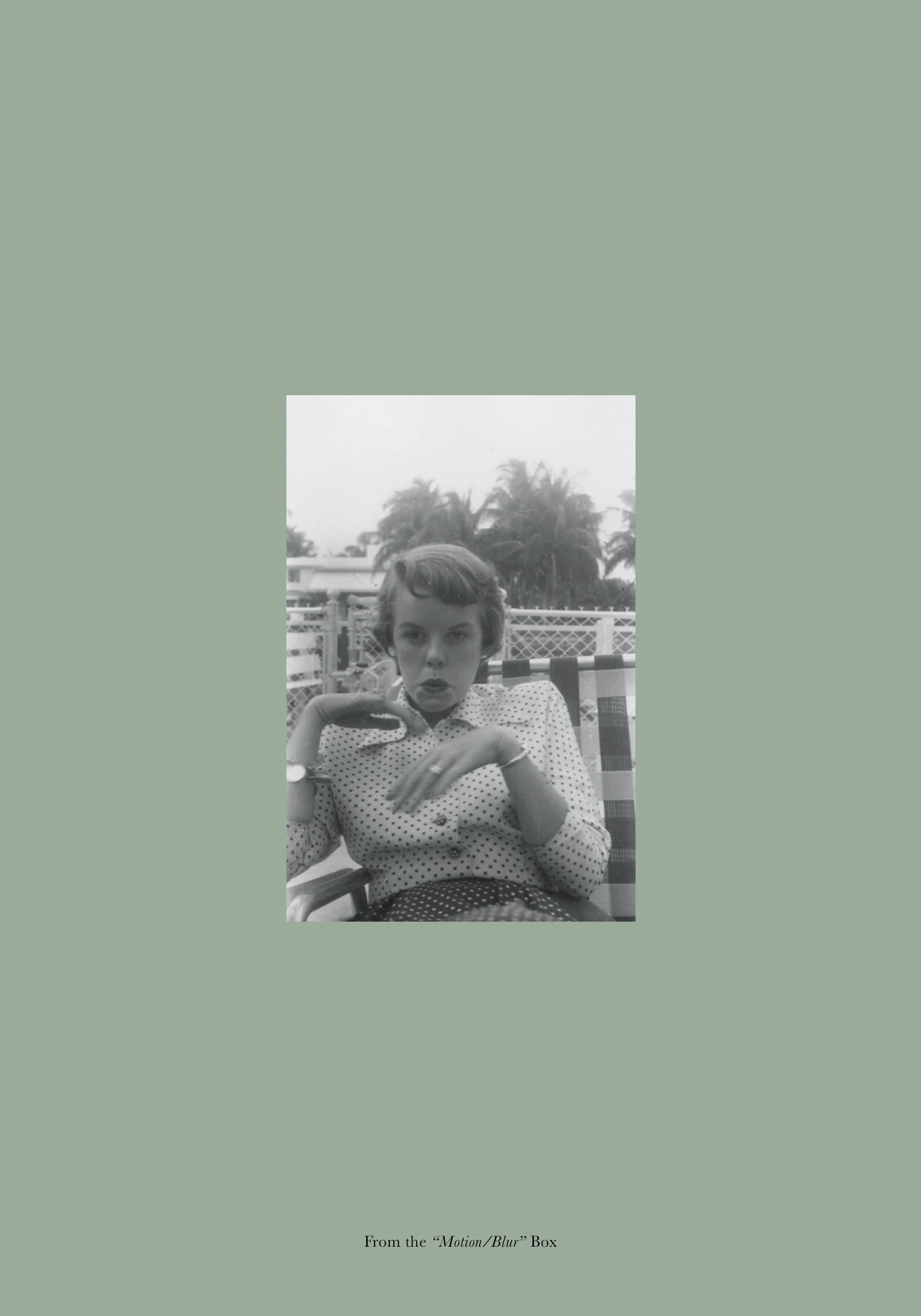
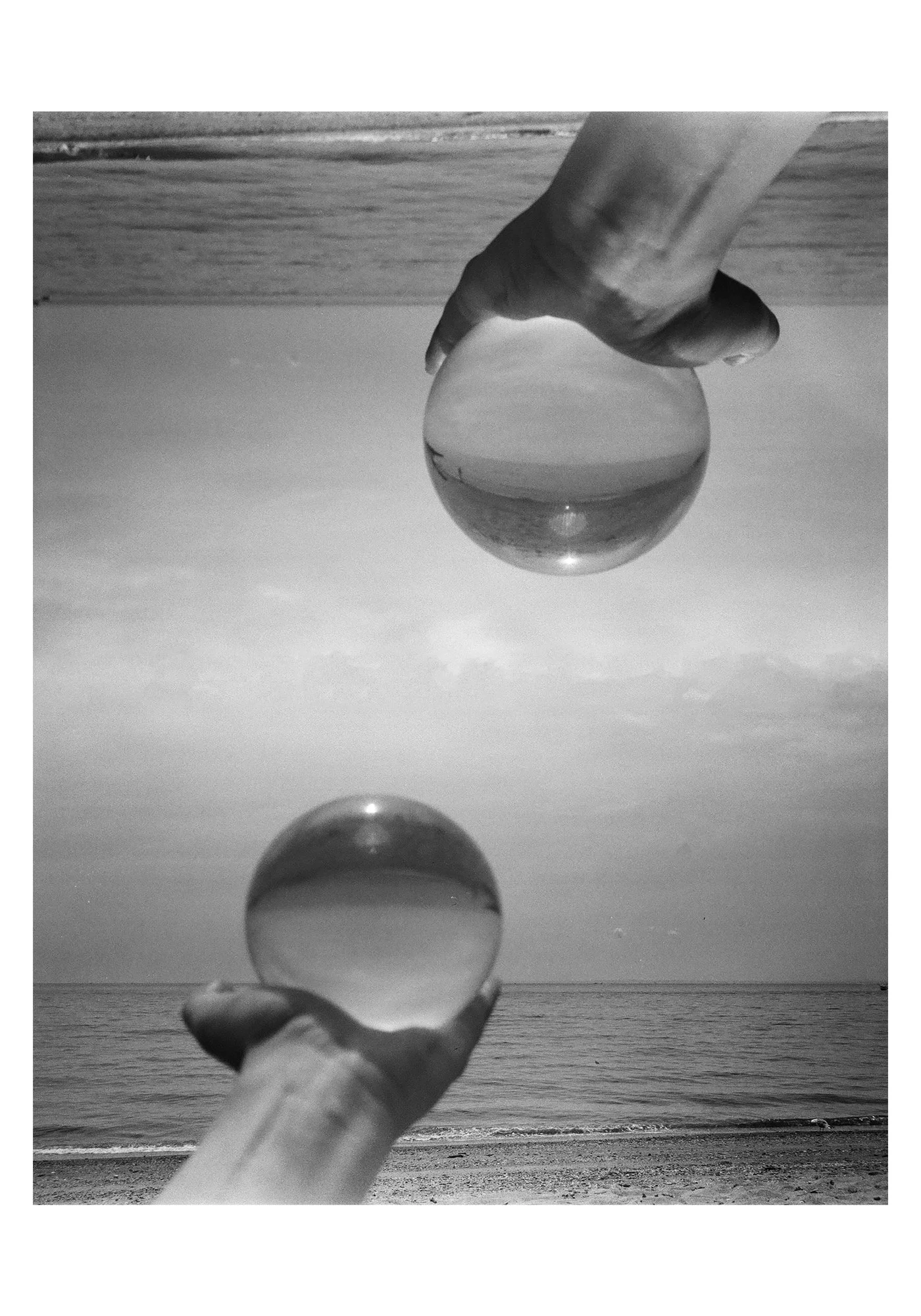
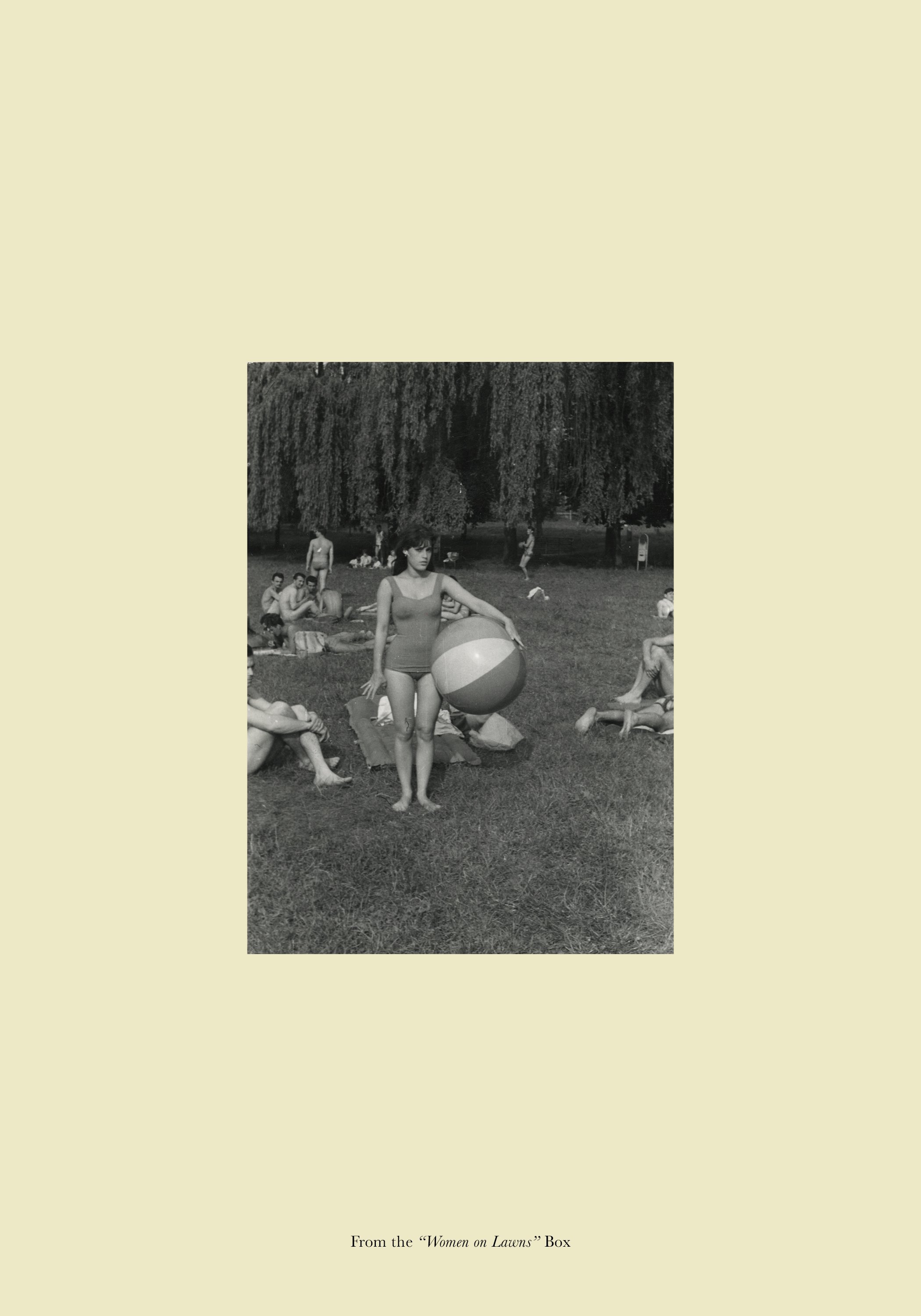
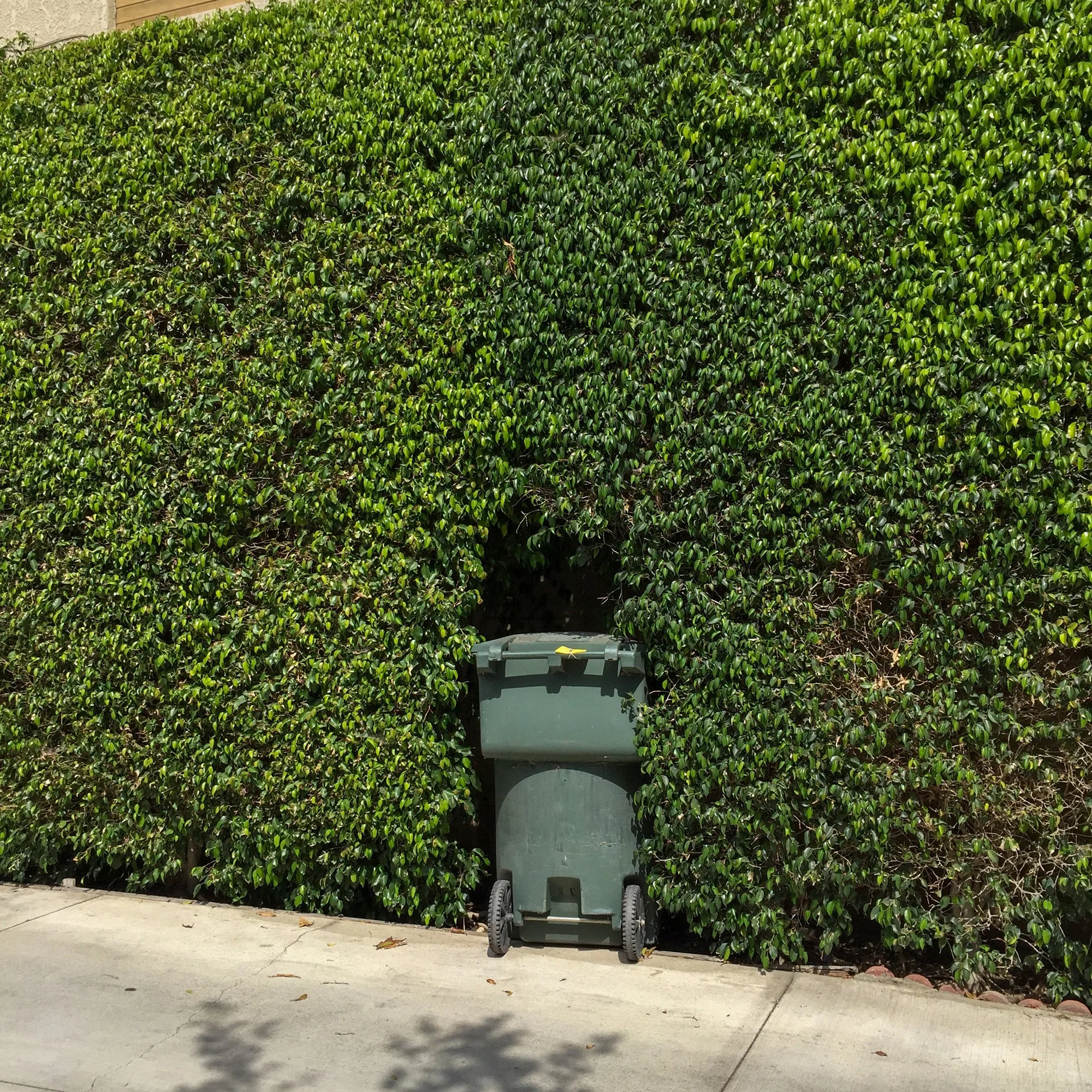
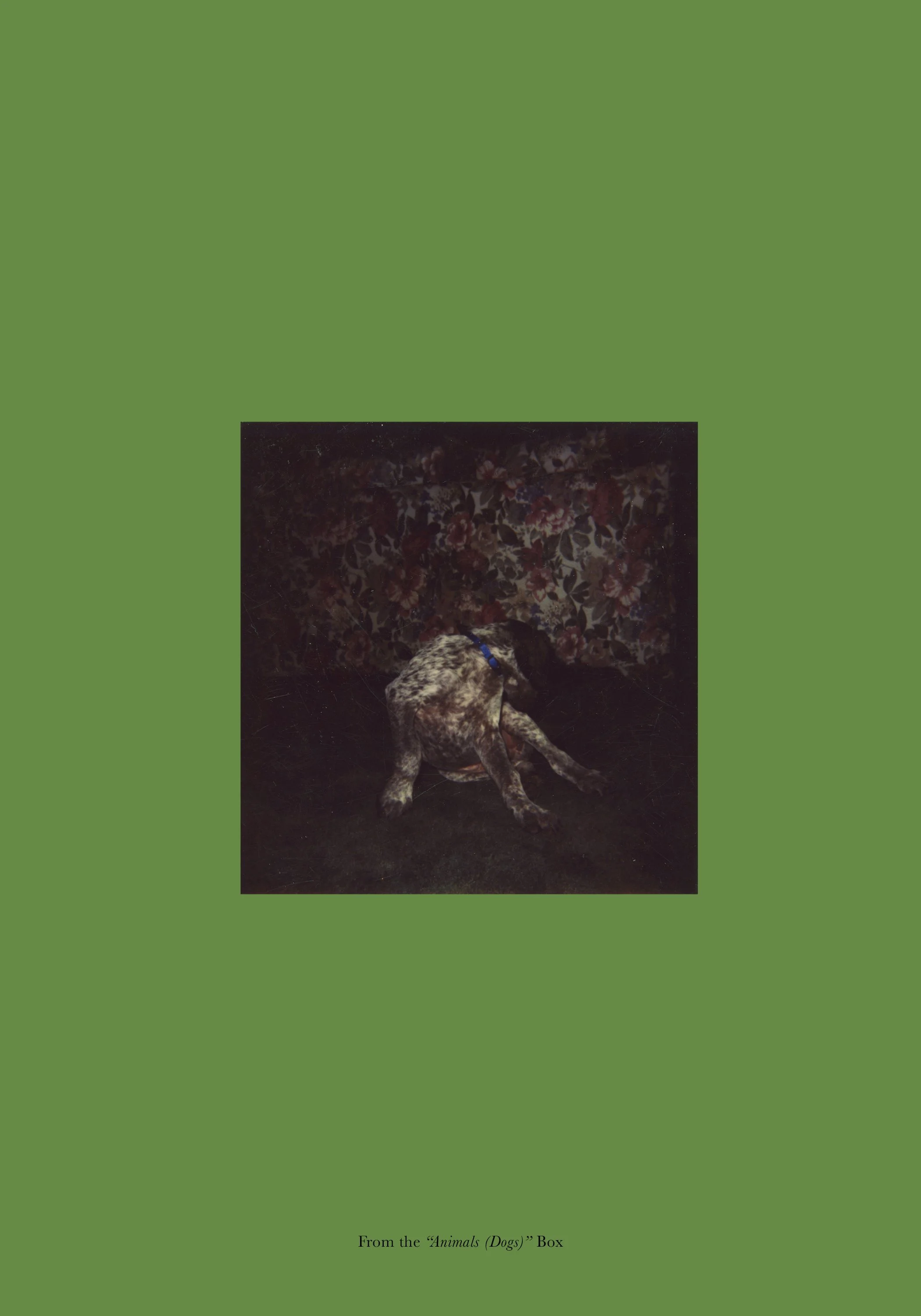
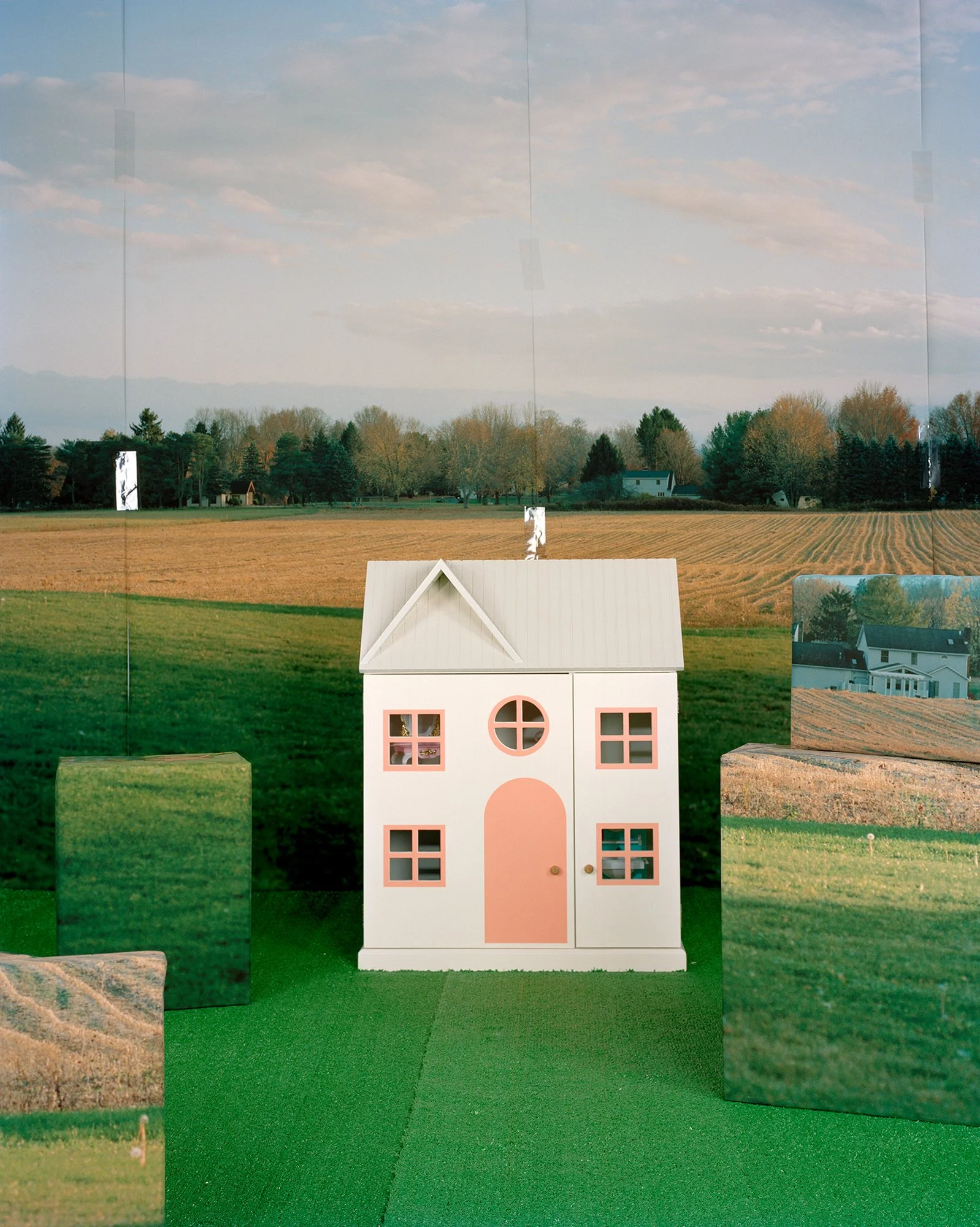
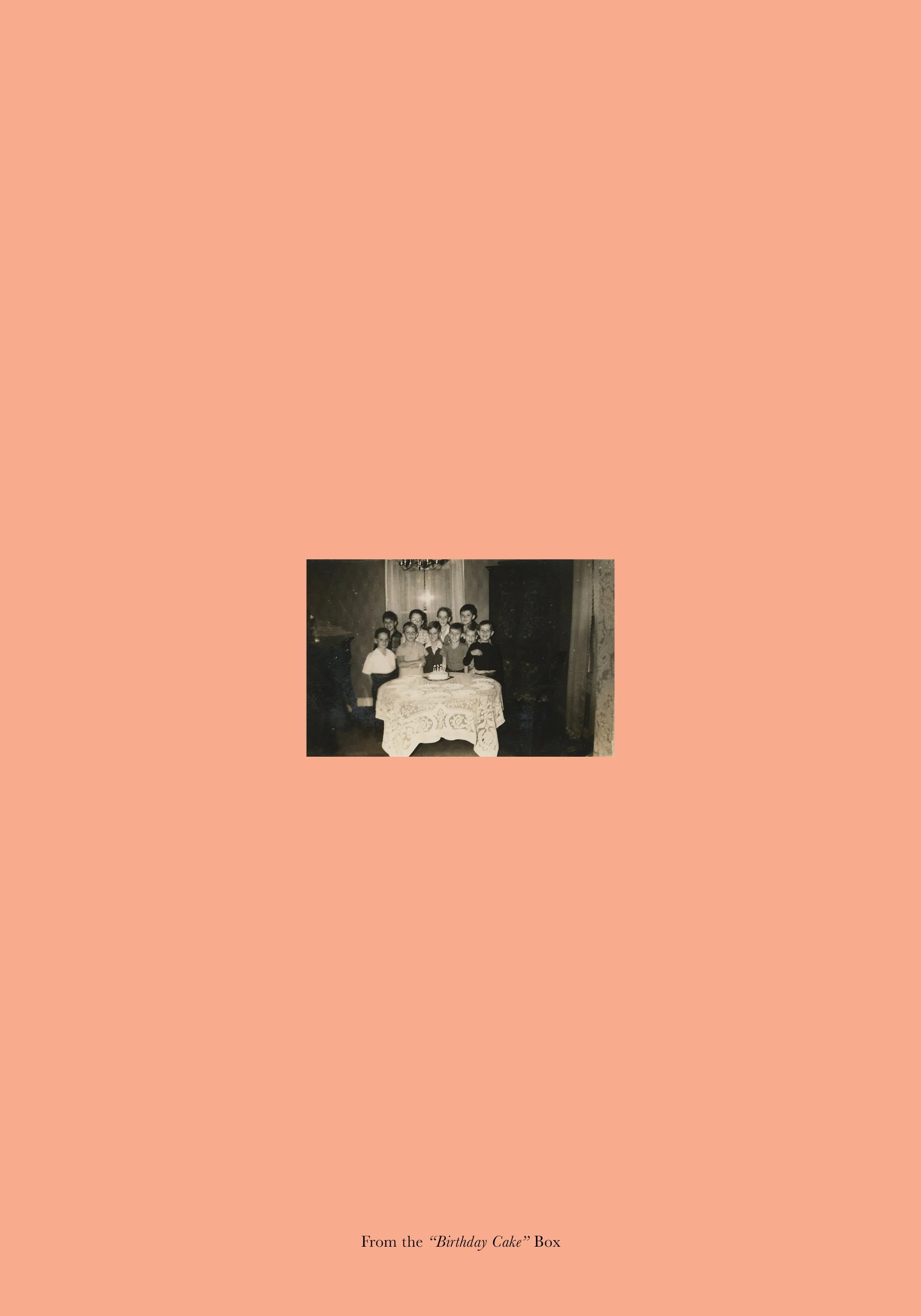
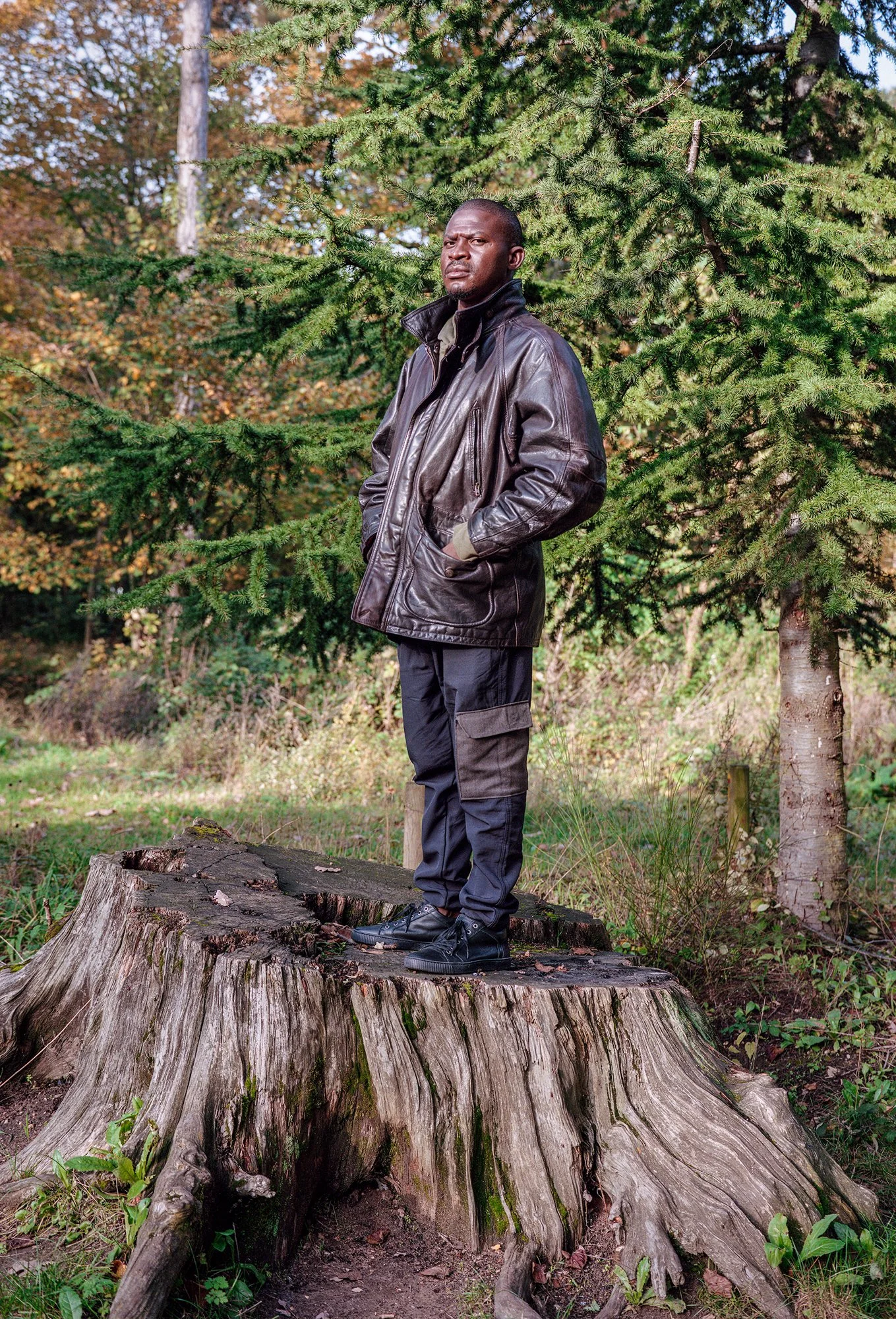
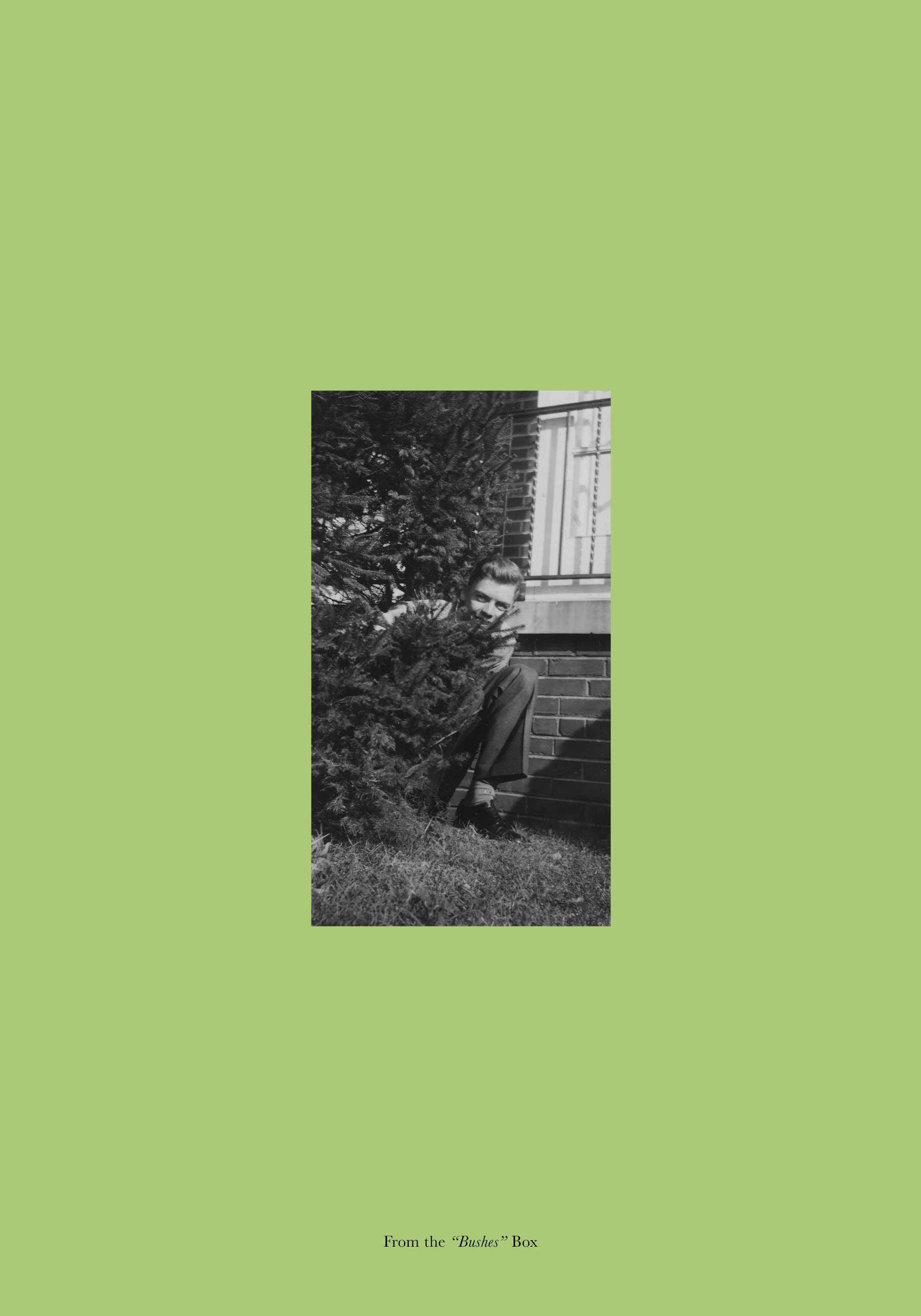
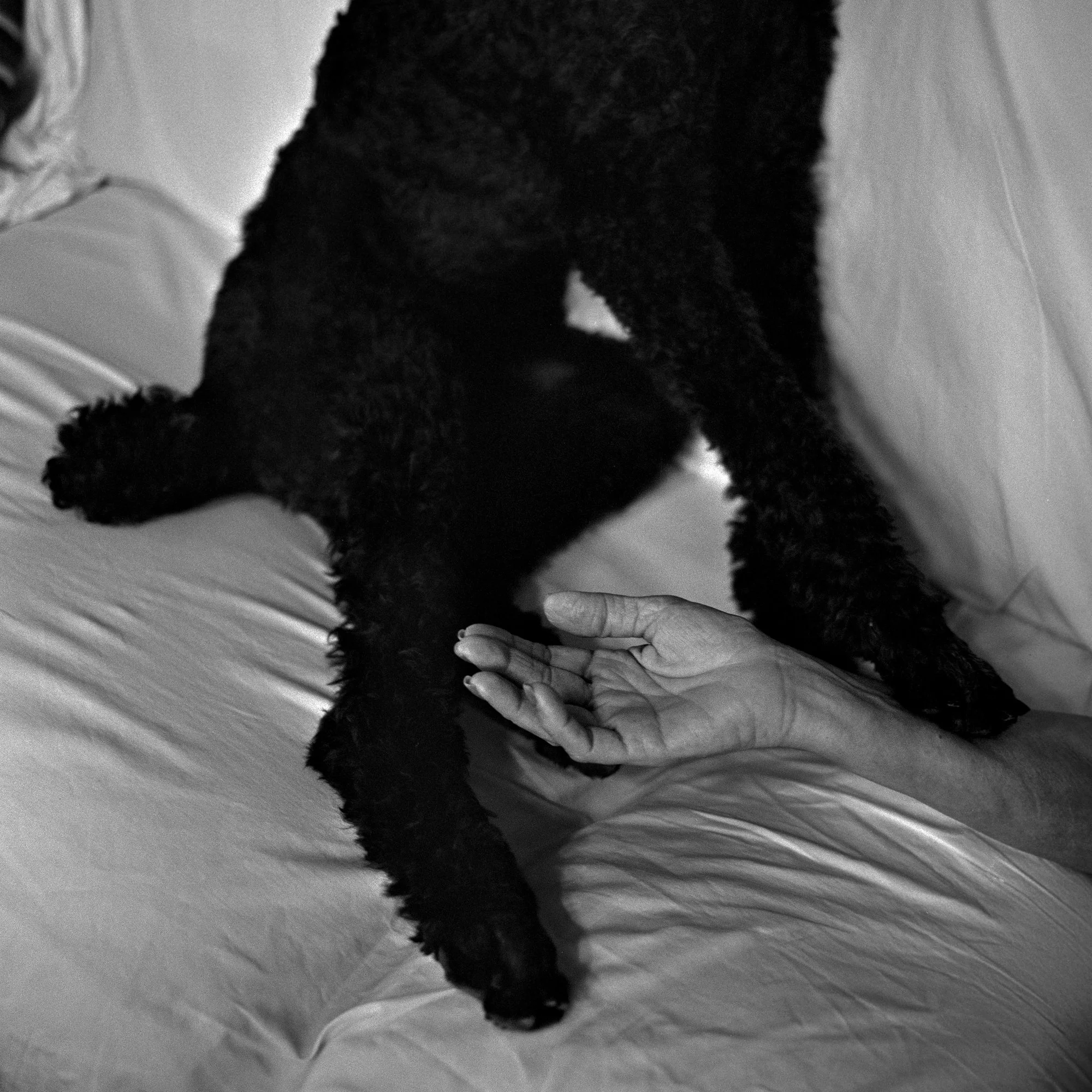
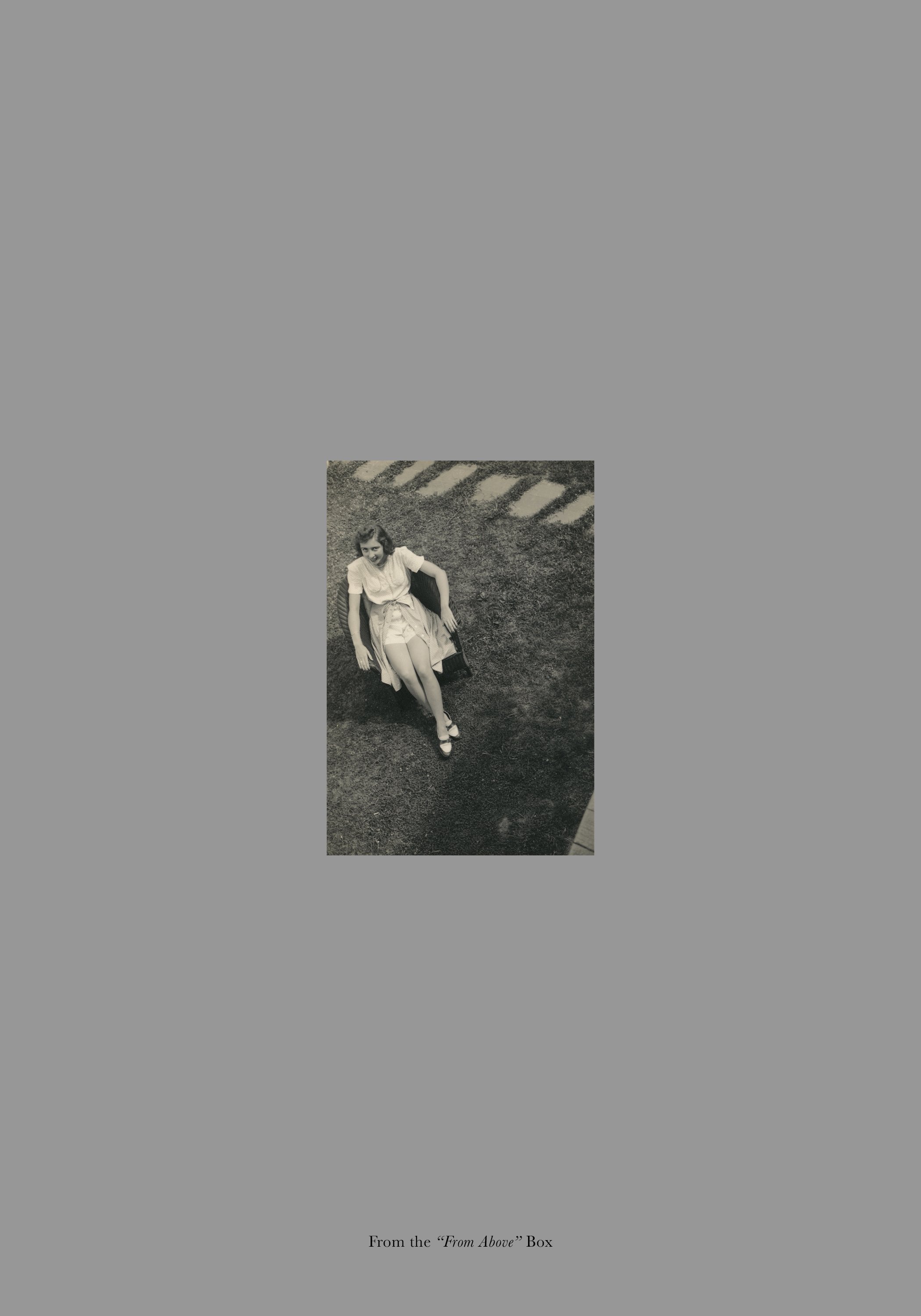
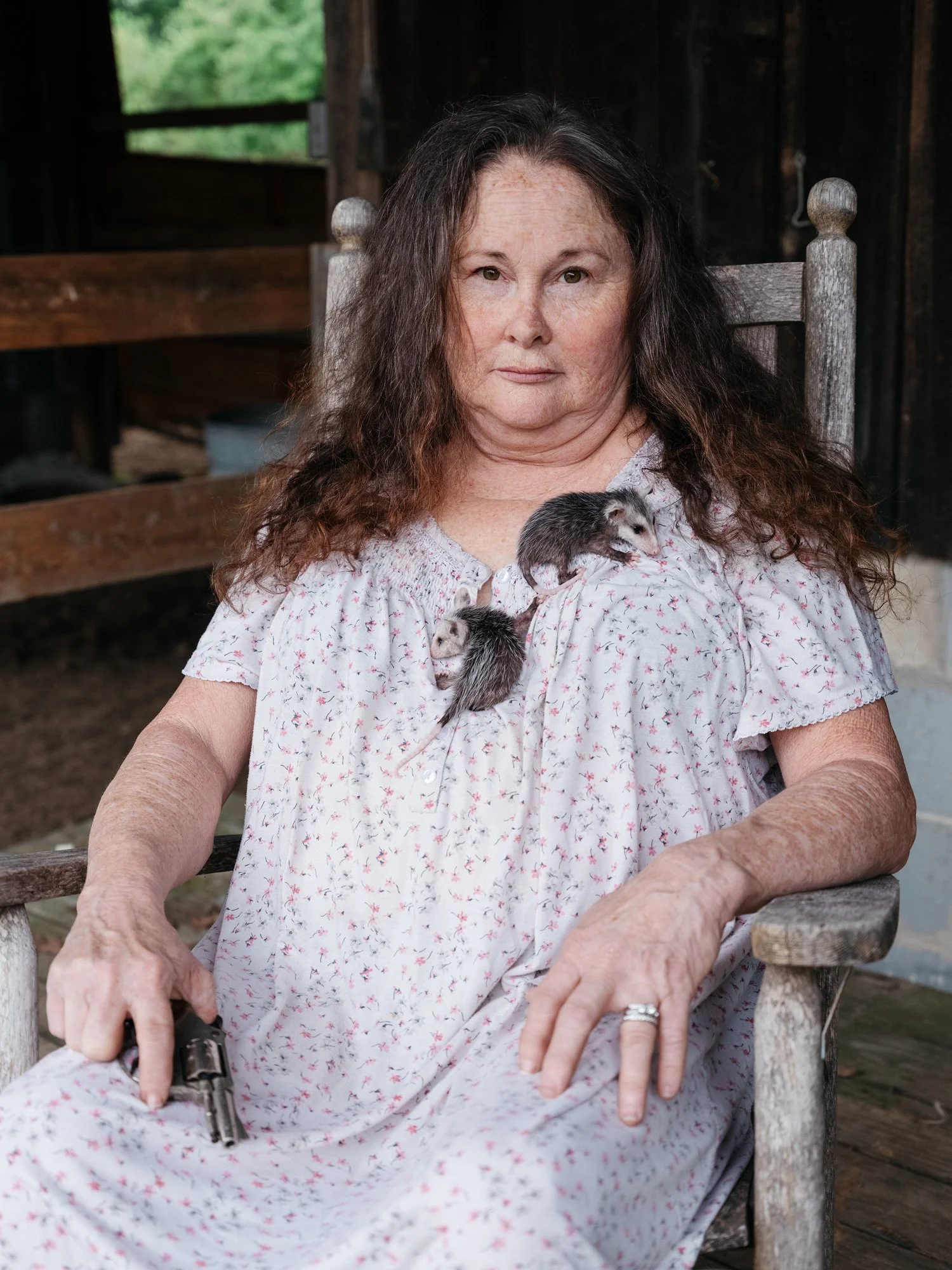
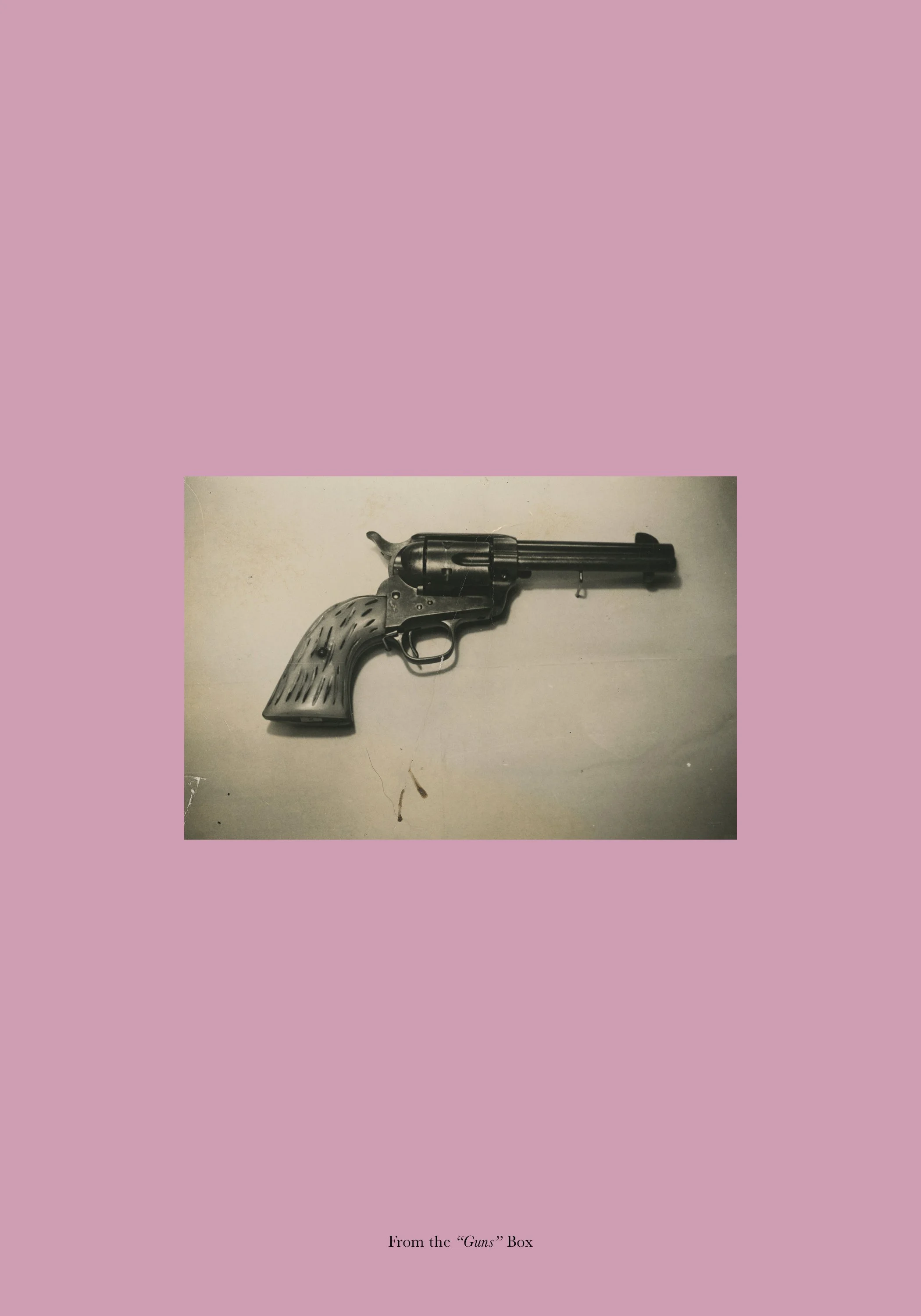
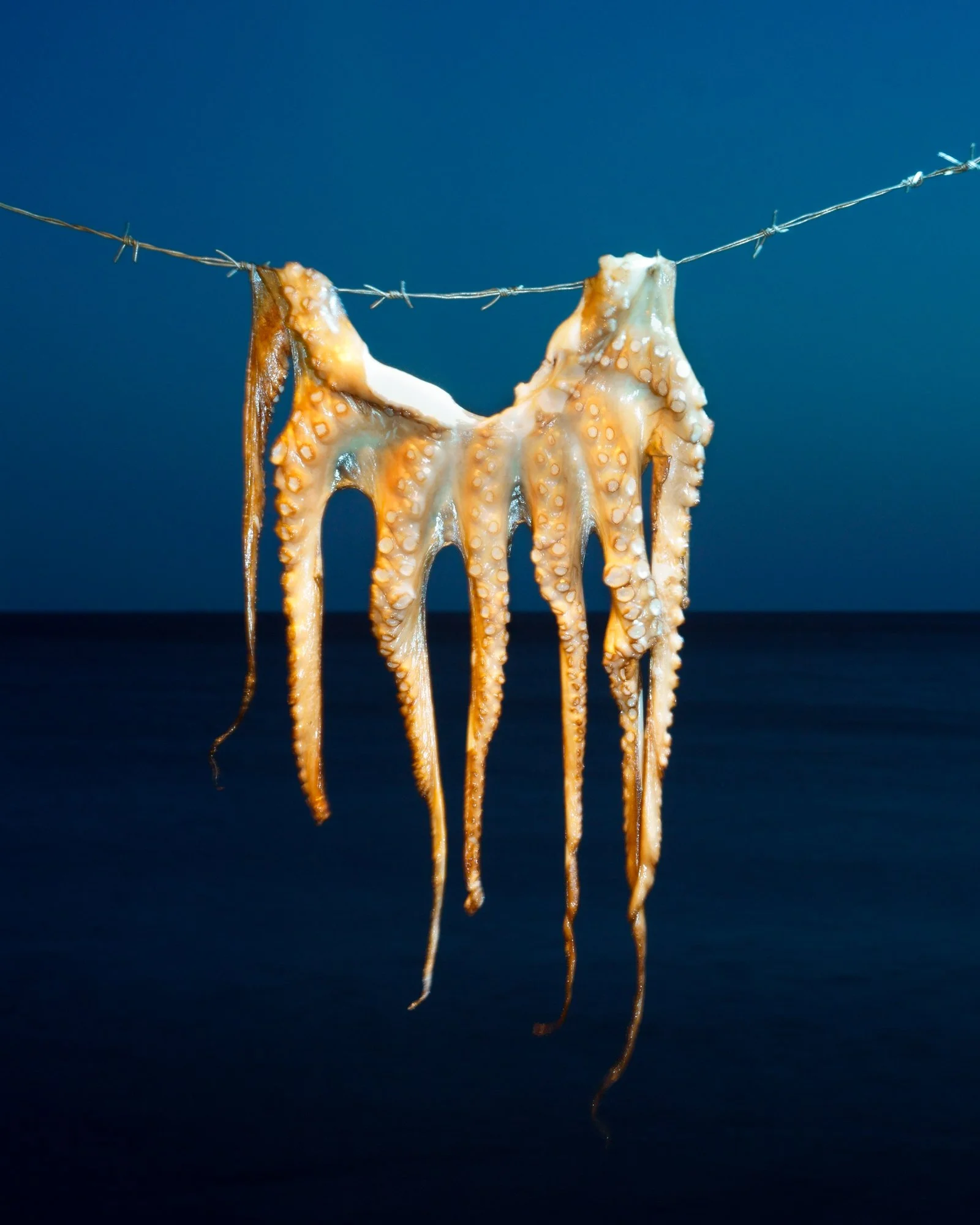
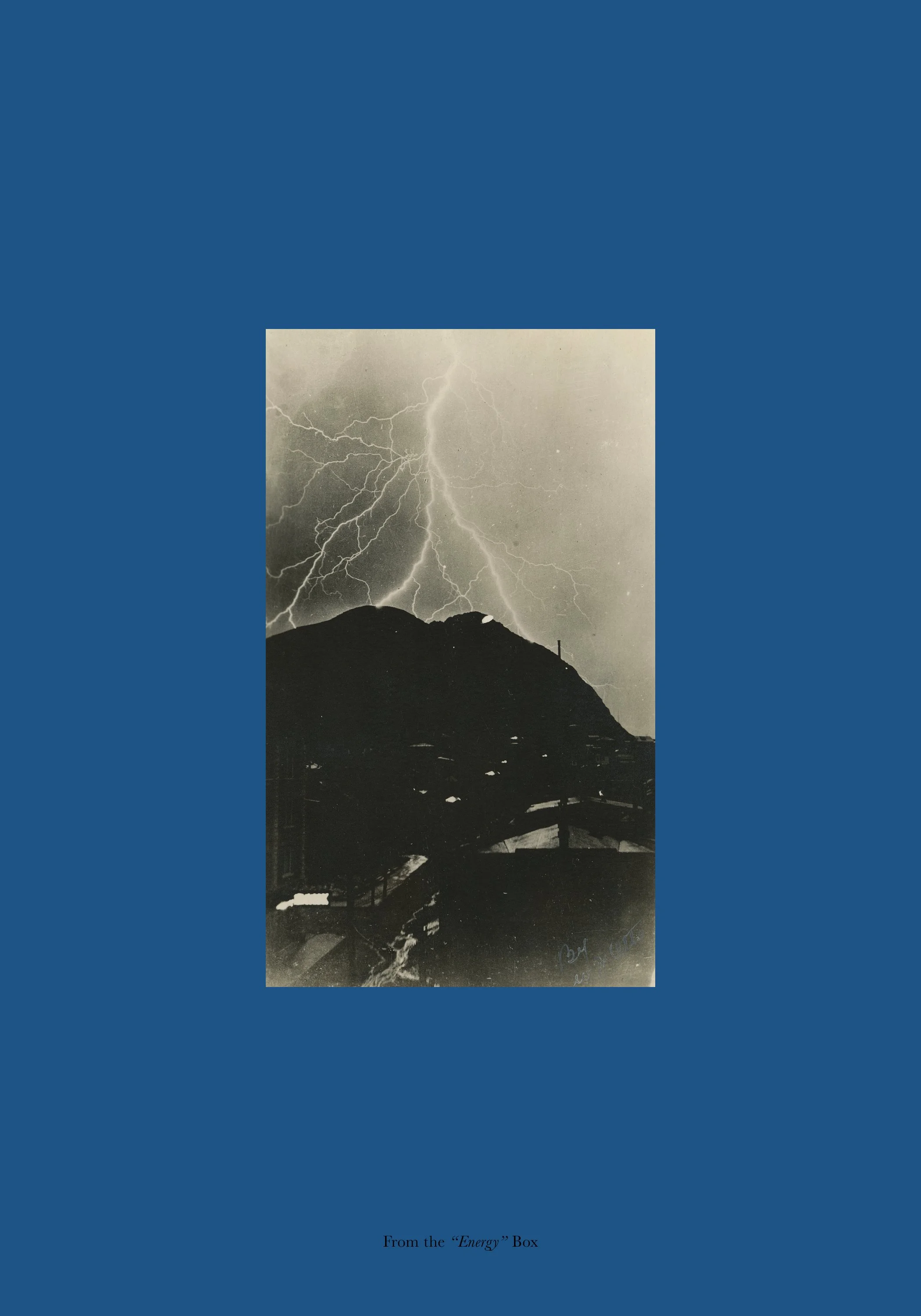
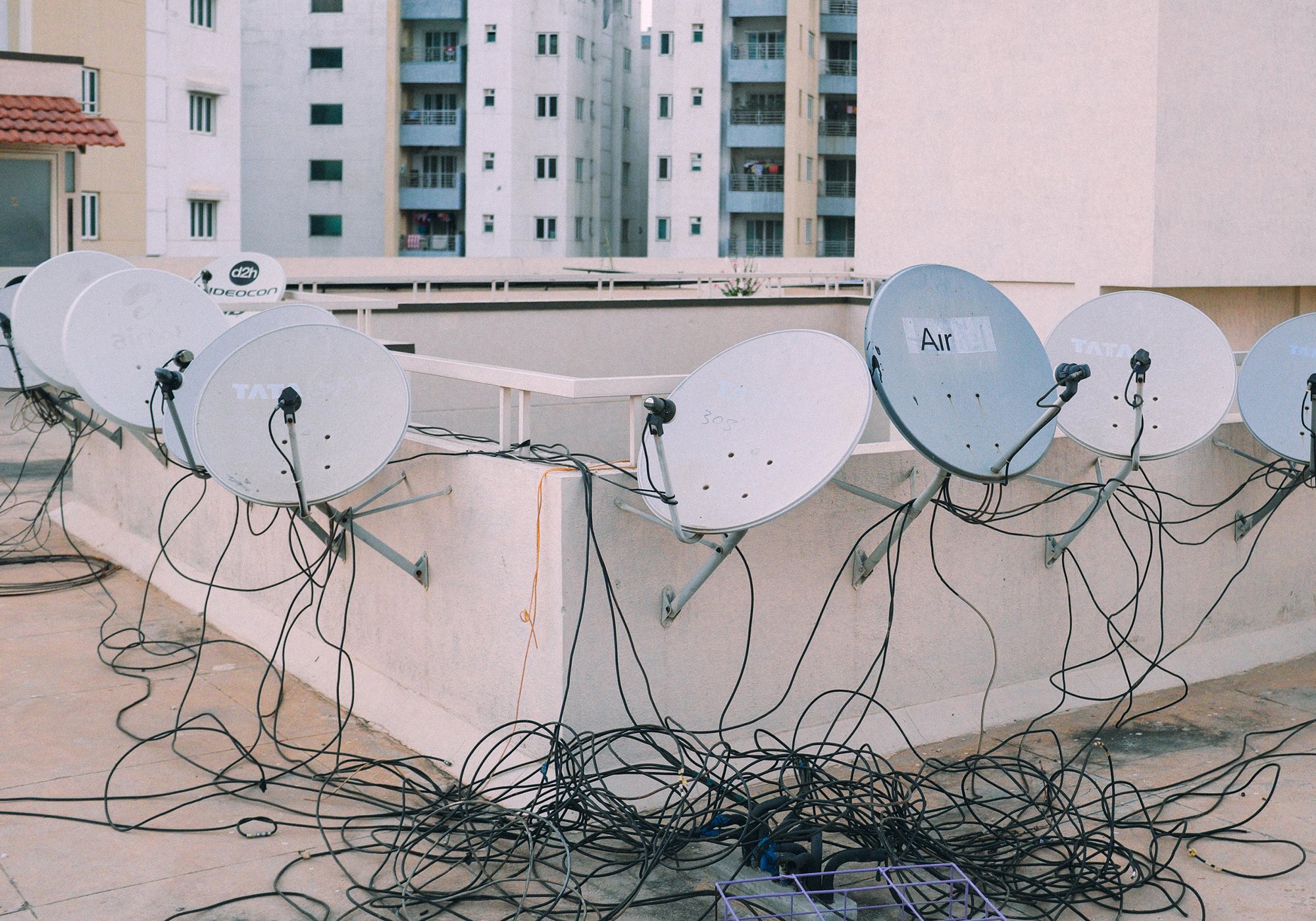
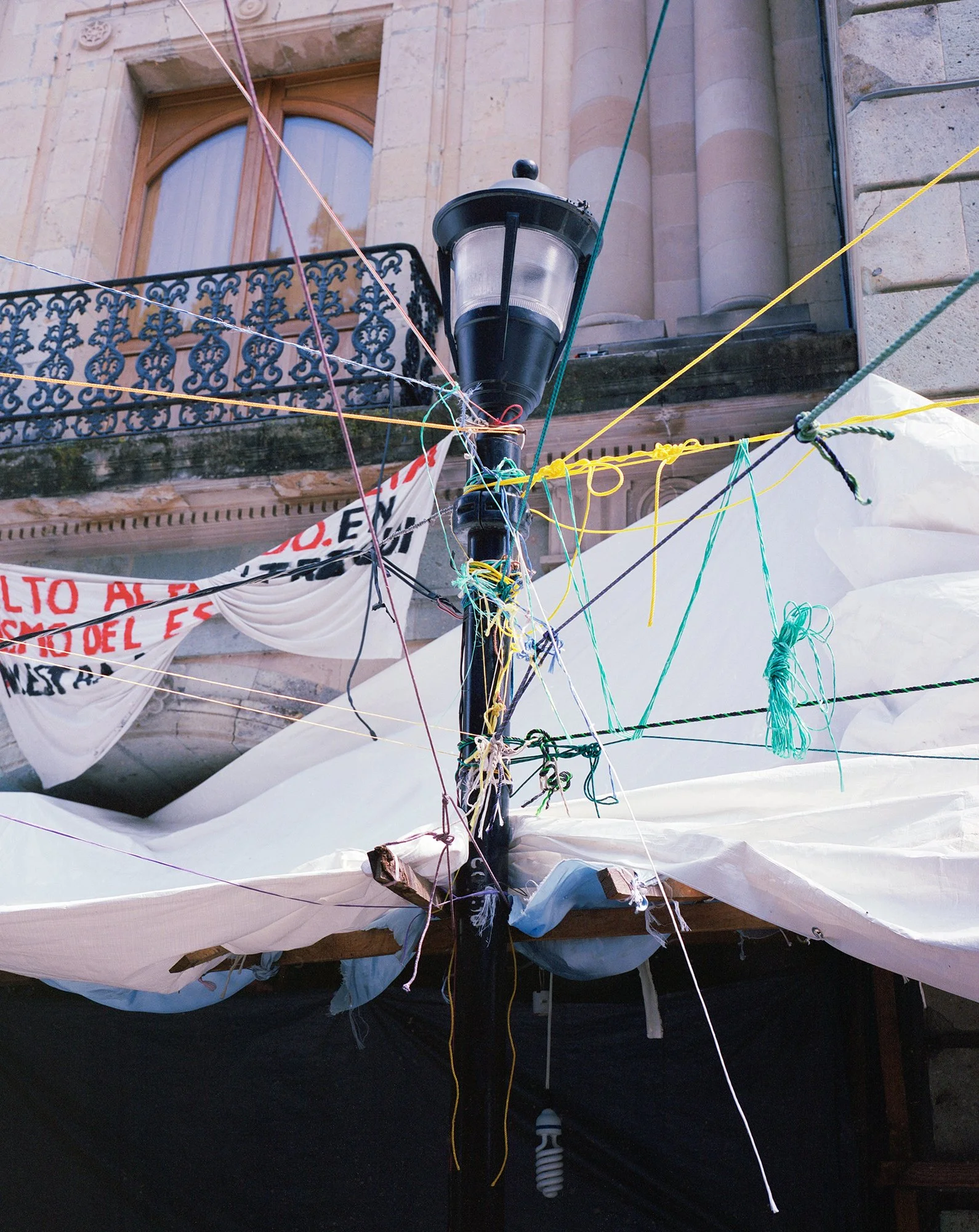
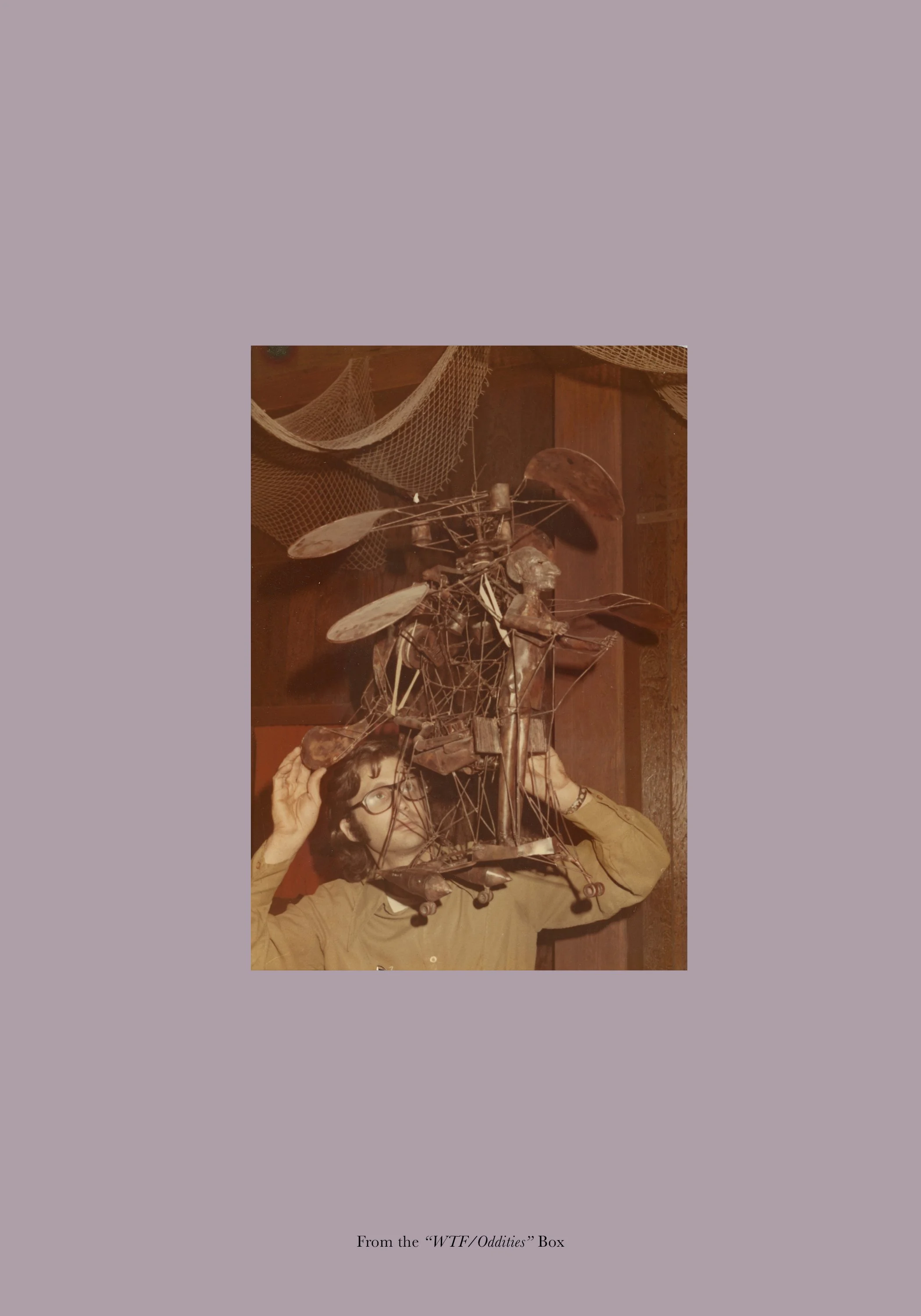
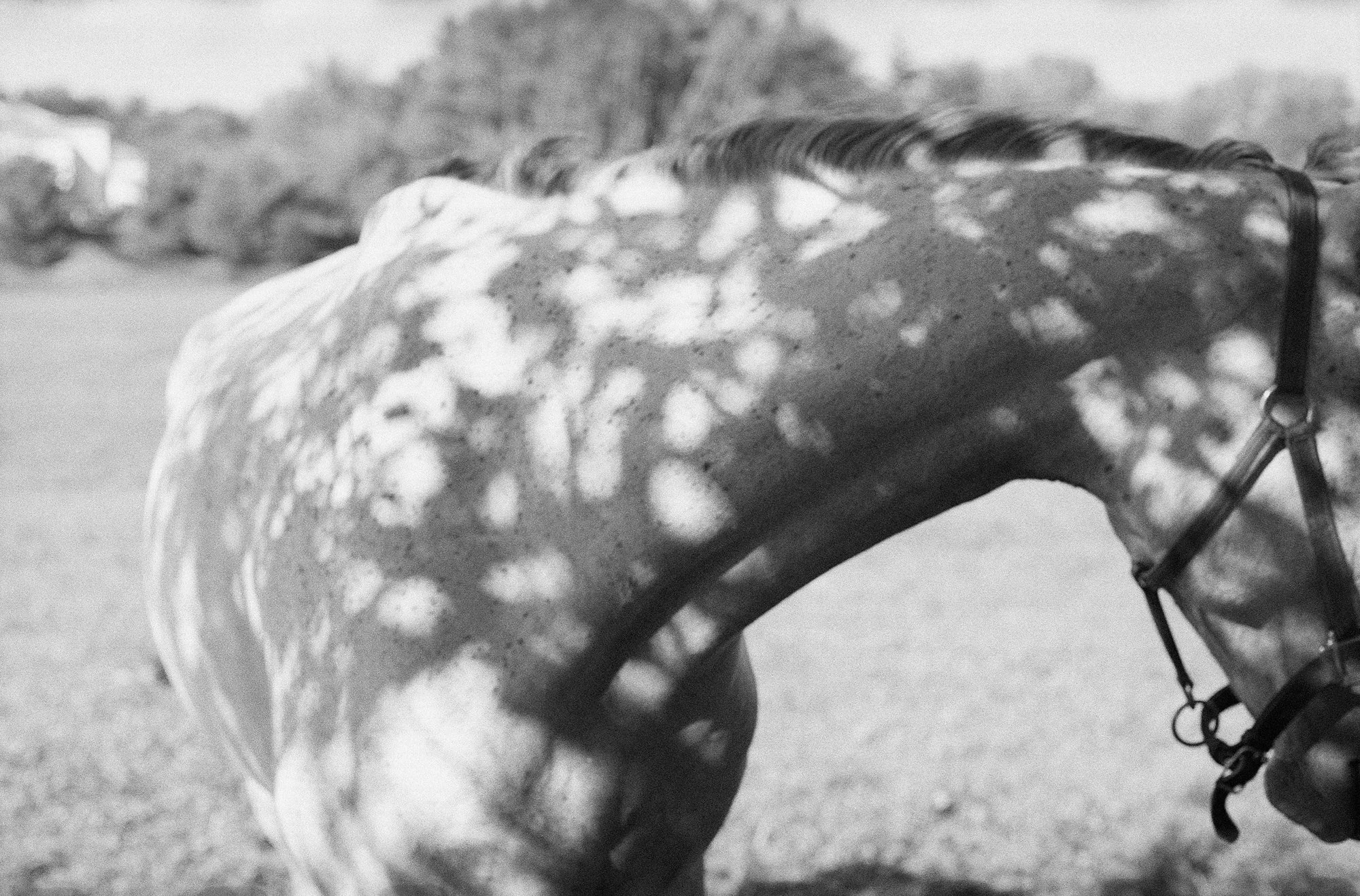
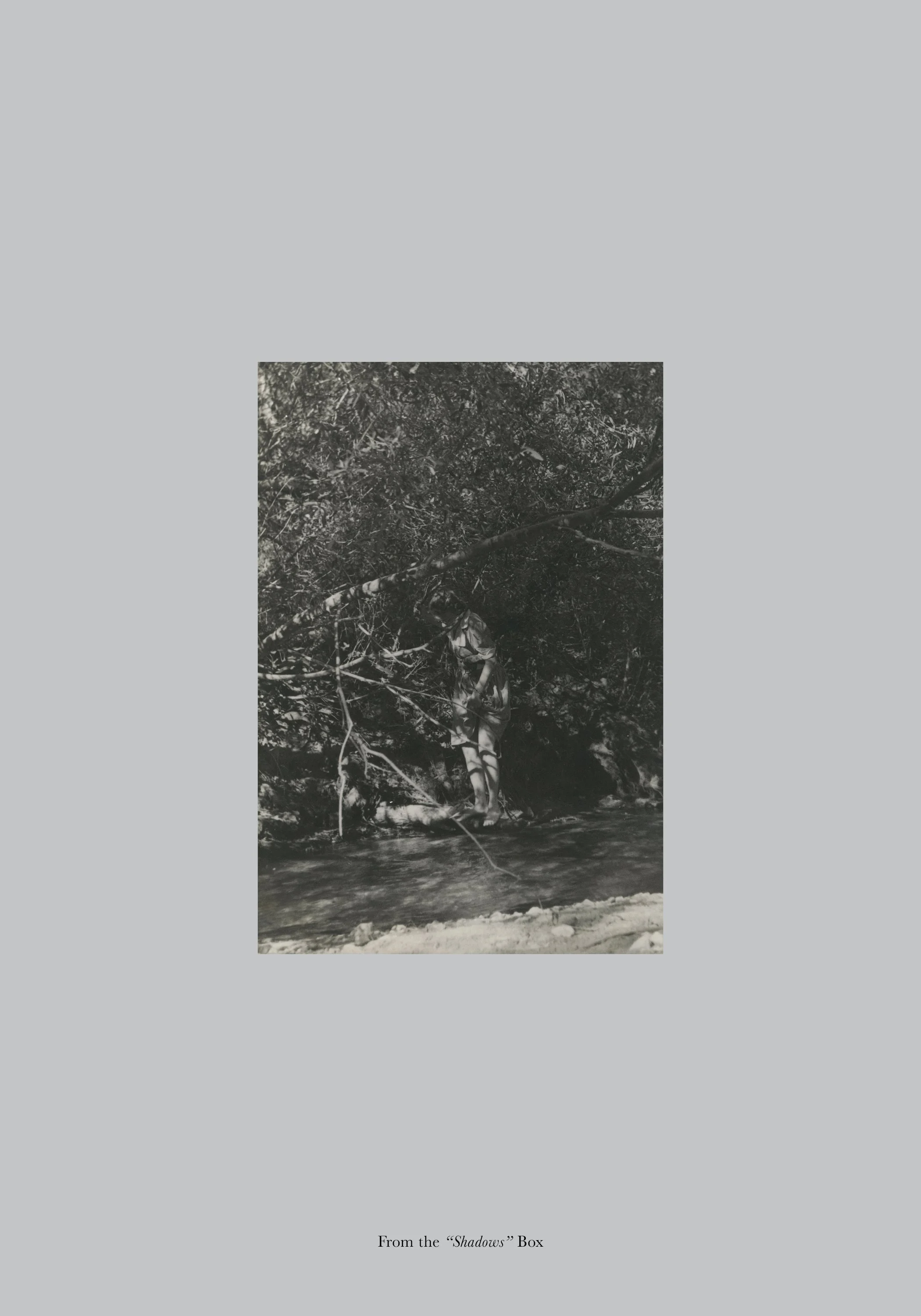
The title Re:collection holds a double meaning that feels central to the project. To recollect is to remember - to bring something back into consciousness, but it is also to collect again, to gather and reorder what already exists. This magazine does both. It gathers photographs from different lives, places, and decades, and re-situates them in a new context where they can be seen differently. It suggests that photography’s history is not a straight line, but a dense, shared field of looking in which anonymous makers and contemporary artists coexist. By giving these everyday images and new works equal weight on the page, we are interested in blurring the hierarchy and questioning the usual boundaries that place “art” apart from the casual photograph, bringing public histories and private moments into the same visual conversation.
Re:collection is, ultimately, an experiment in collaborative authorship. The artists in these pages did not know whose images they would be paired with; the photographers in the archive never knew they would one day appear in a printed magazine. Yet together they have built a book that is less about nostalgia and more about the medium, about recognizing ourselves in those who came before, and making space for future viewers to recognize themselves in us. In bringing these photographs into dialogue, we hope to honor the many hands, eyes, and lives that shape the medium, and to celebrate the ways images continue to connect us, even long after their makers’ names have been forgotten.
Behind every vernacular photograph that survives the tides of time stand individuals who recognize value in what others overlook, people who rescue images from attics, flea markets, estate sales, and near-oblivion, preserving not only objects but the stories and traces of everyday life embedded within them. Their work is a form of cultural preservation: a quiet, persistent act of saving pieces of our shared visual history that might otherwise disappear forever.
We extend our deepest gratitude to Peter J. Cohen and his collection, whose extraordinary archive and whose long-standing generosity in lending, sharing, and supporting countless institutions, artists, and projects, has made not only this publication possible, but has helped ensure that vernacular photography continues to be studied, celebrated, and kept alive for future generations.
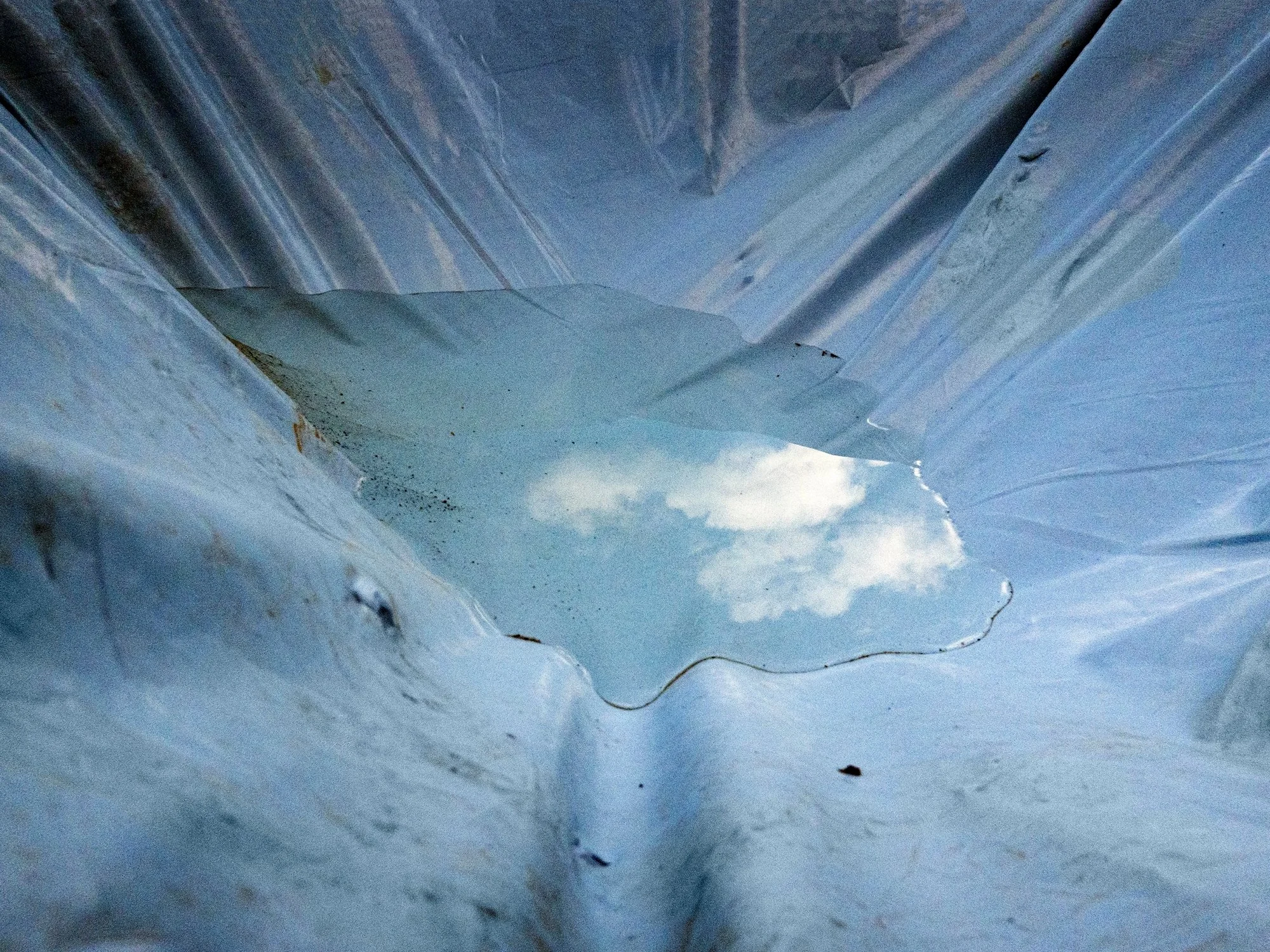
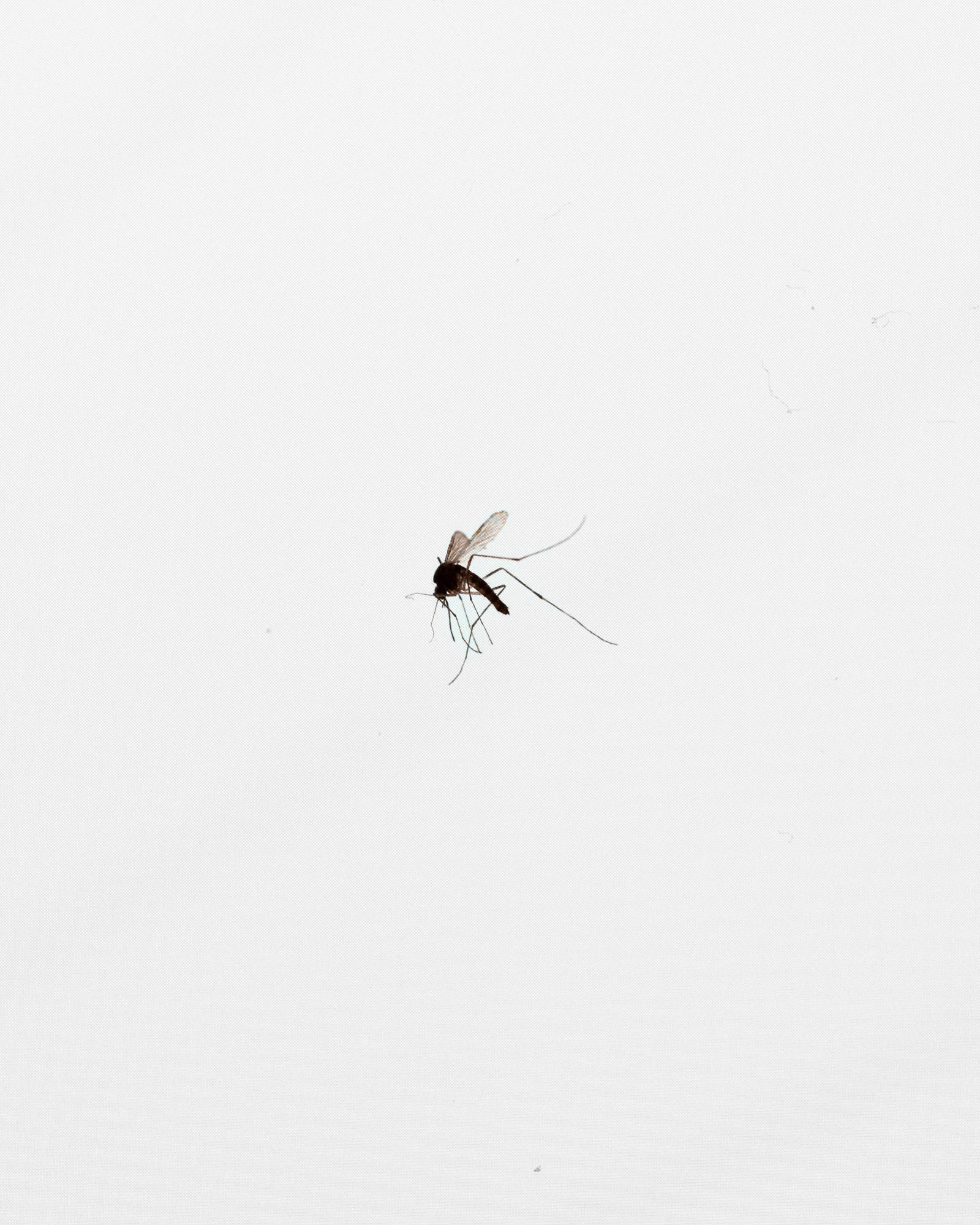
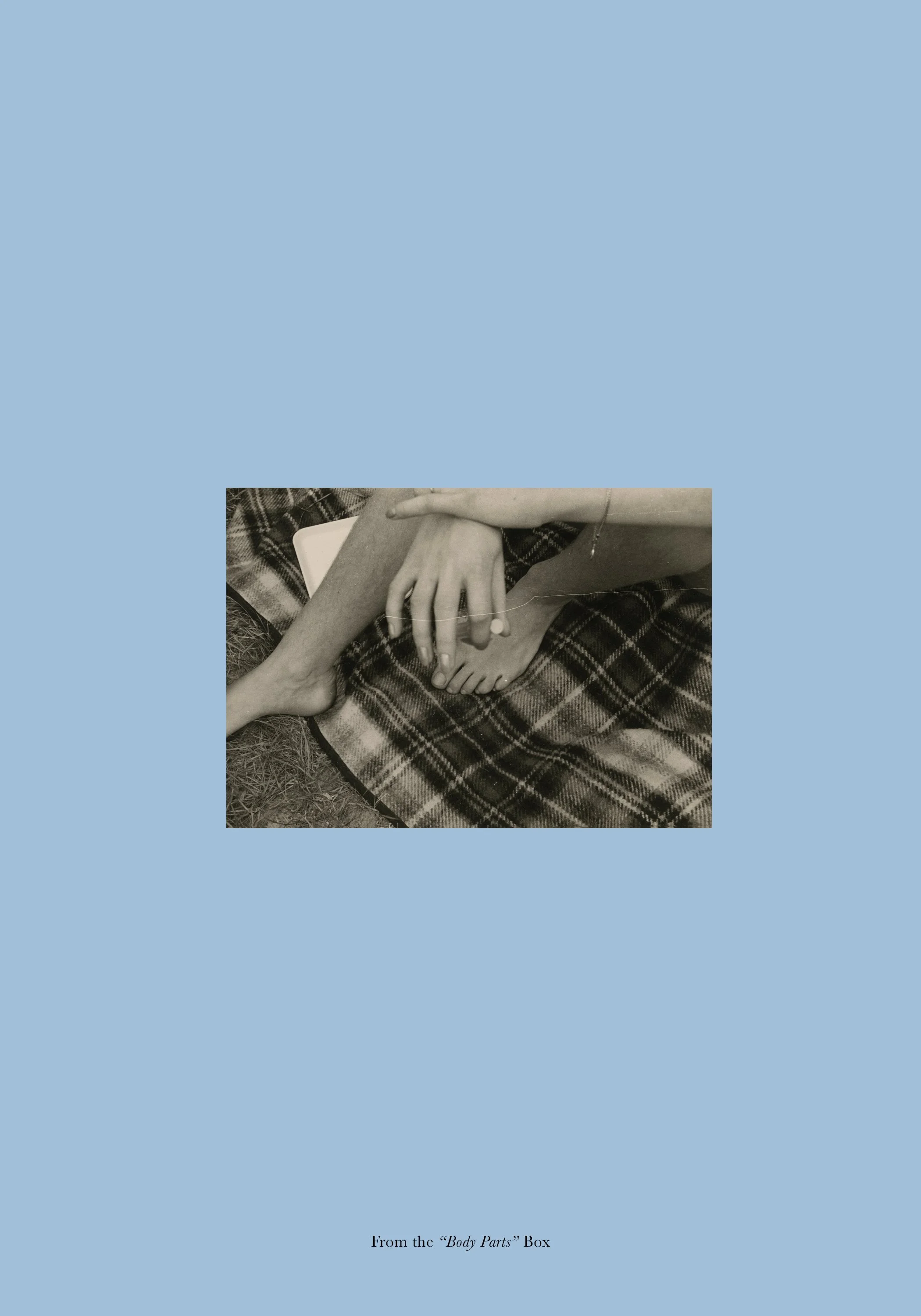
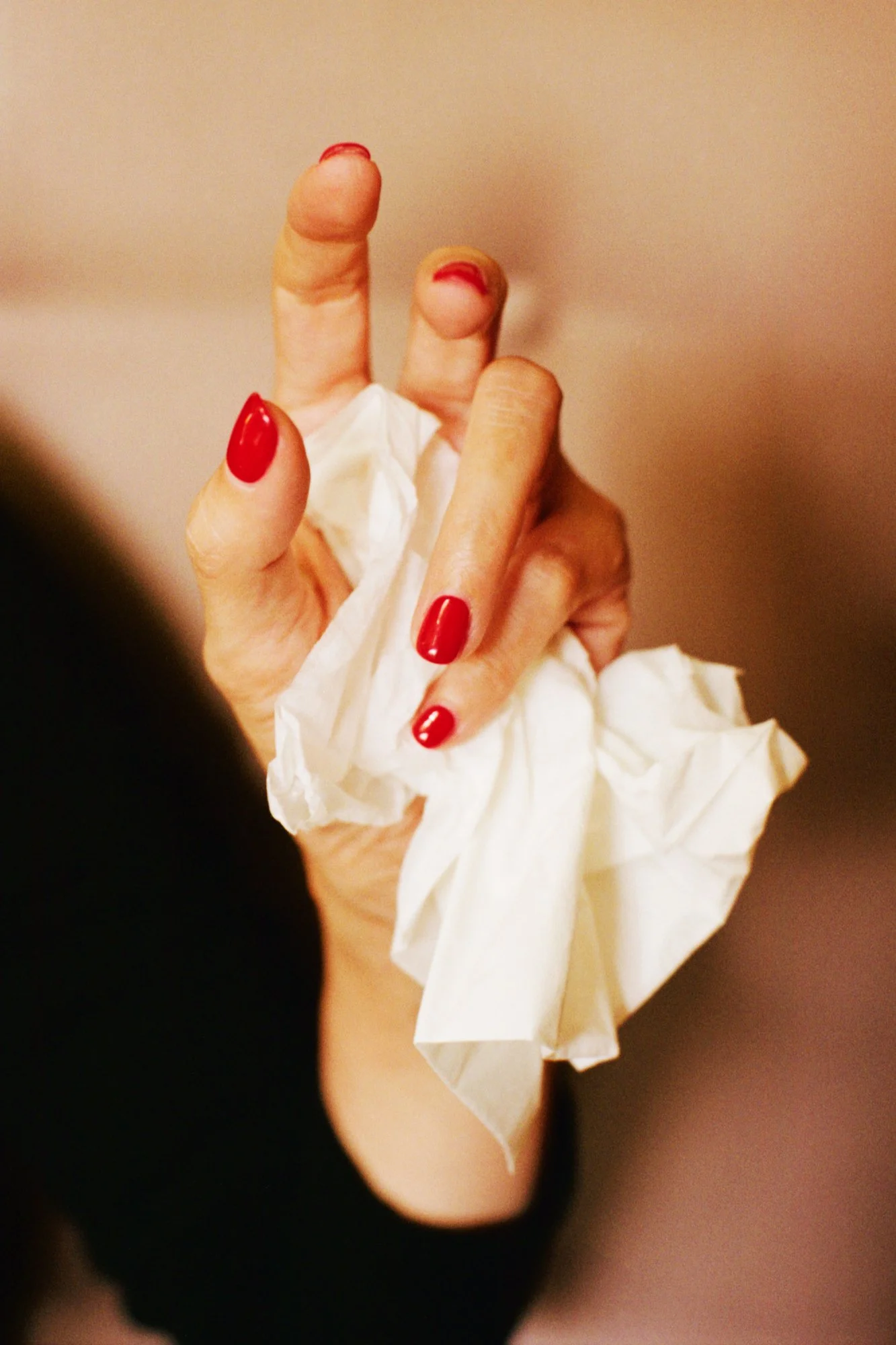
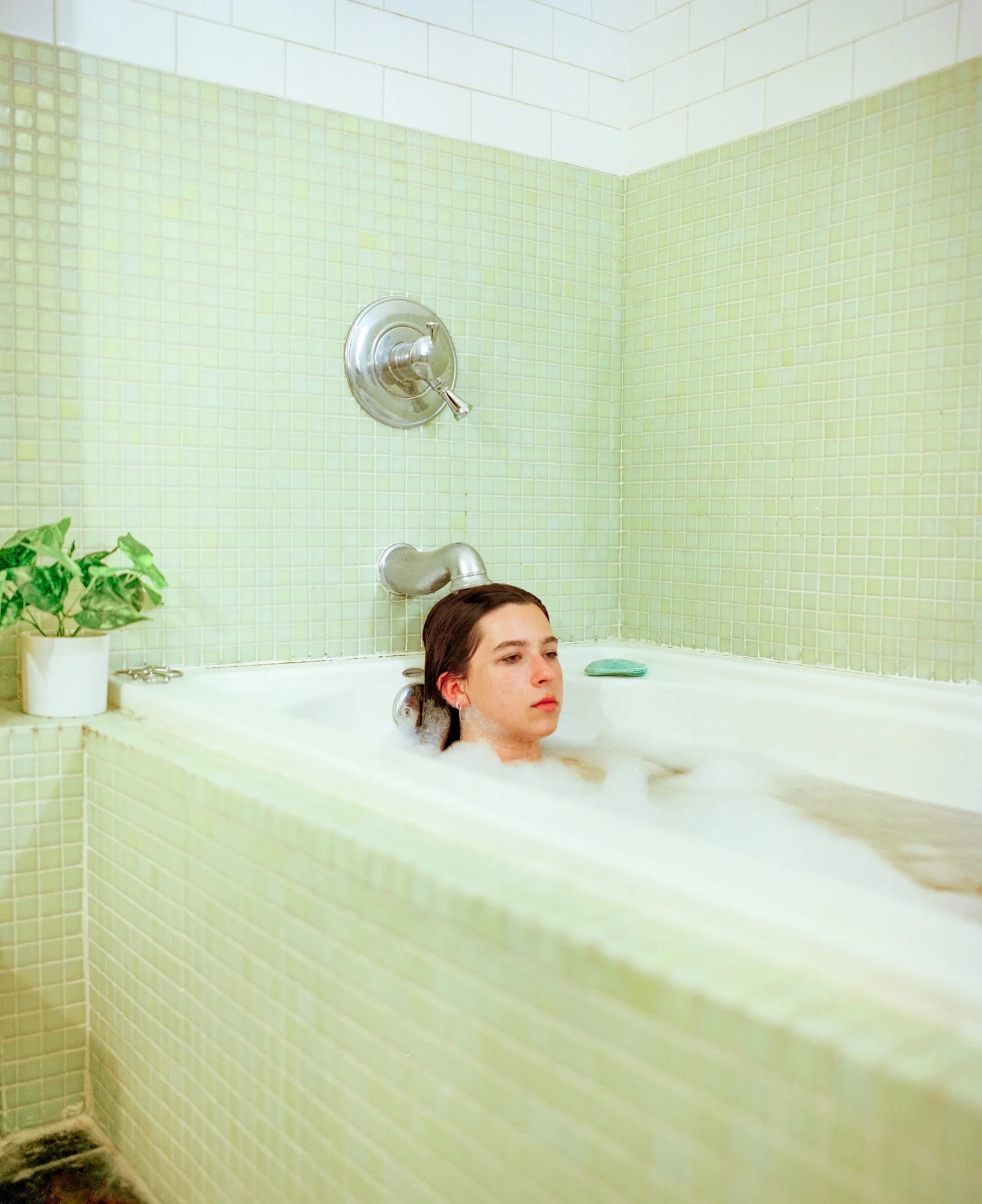
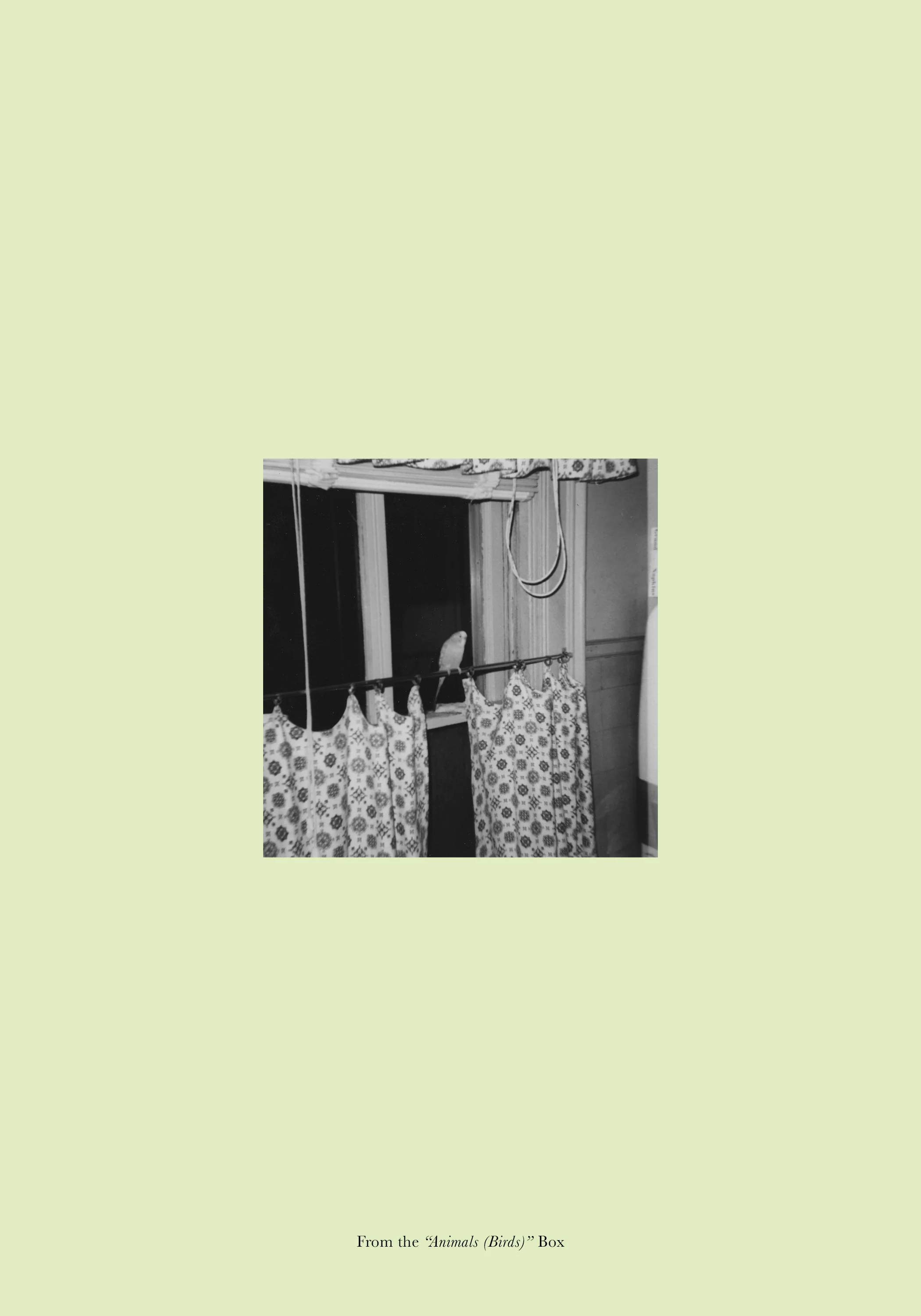
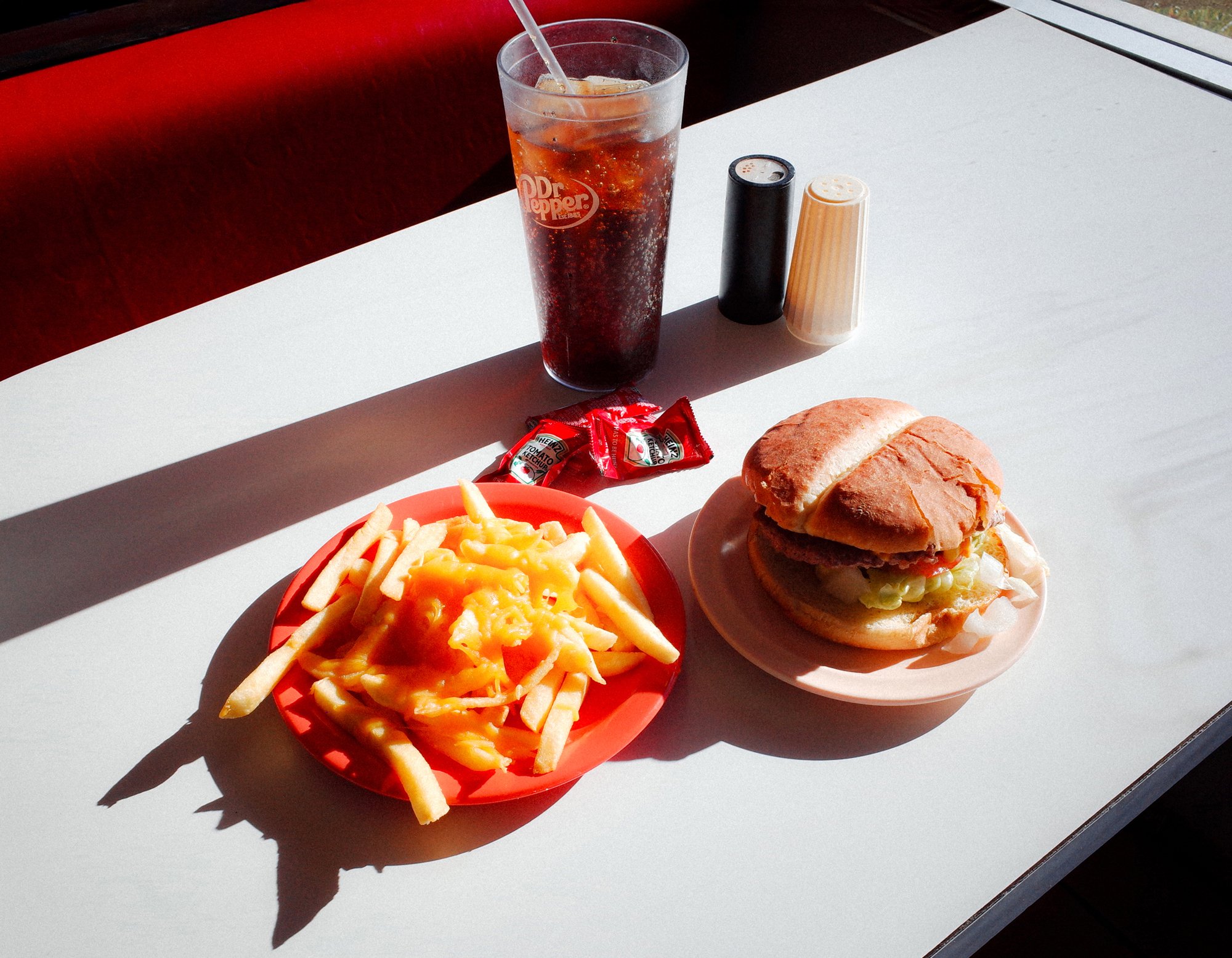
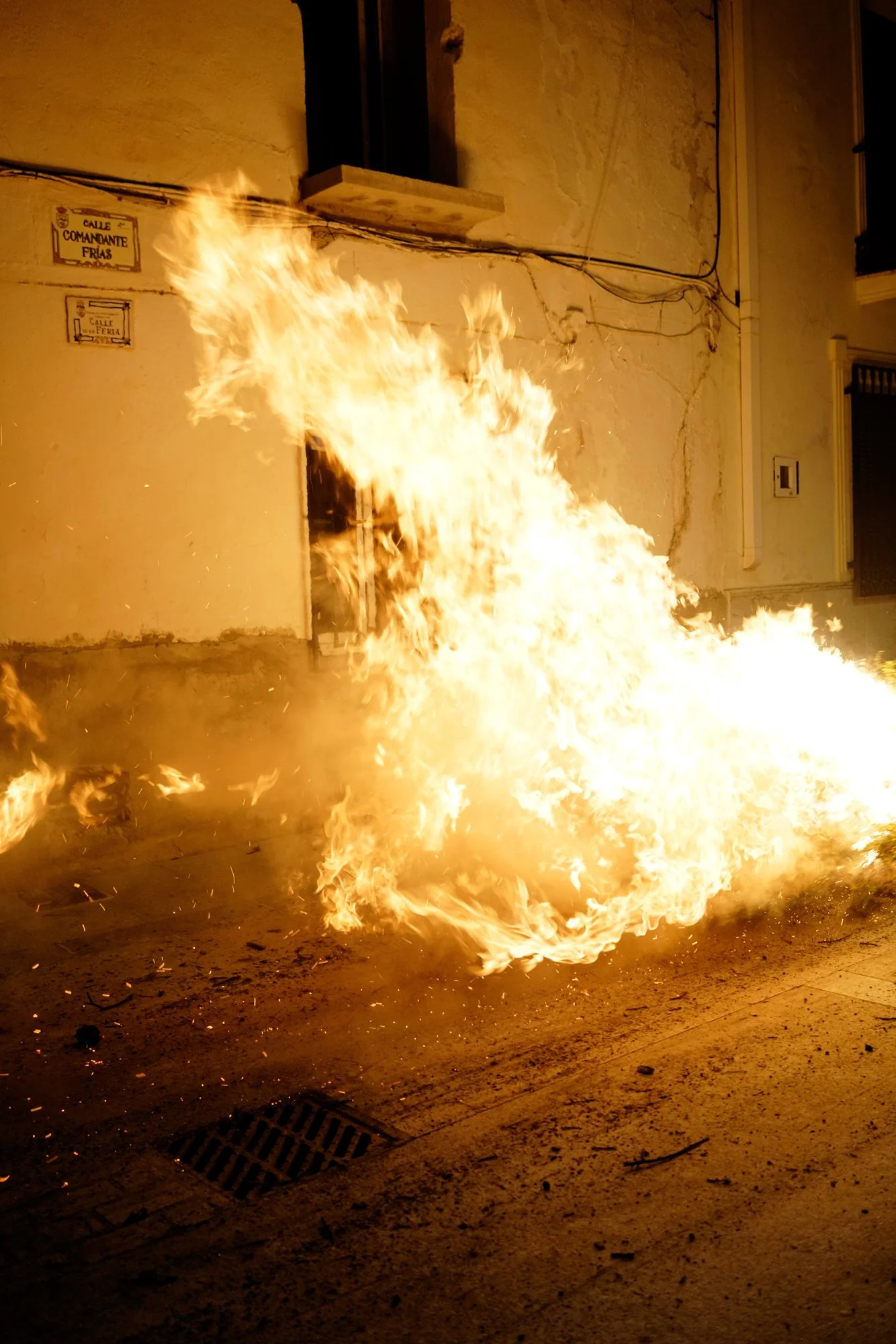
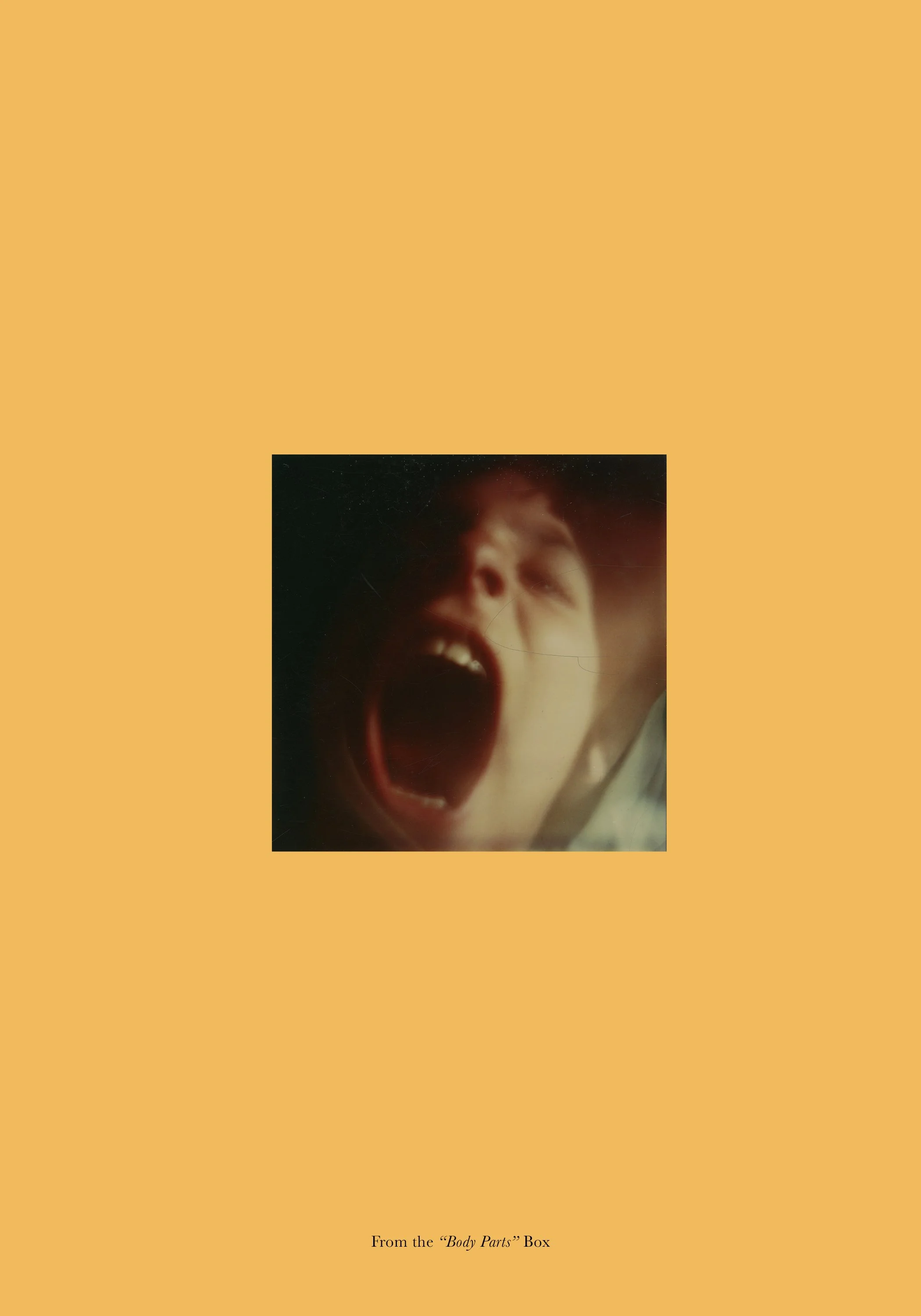
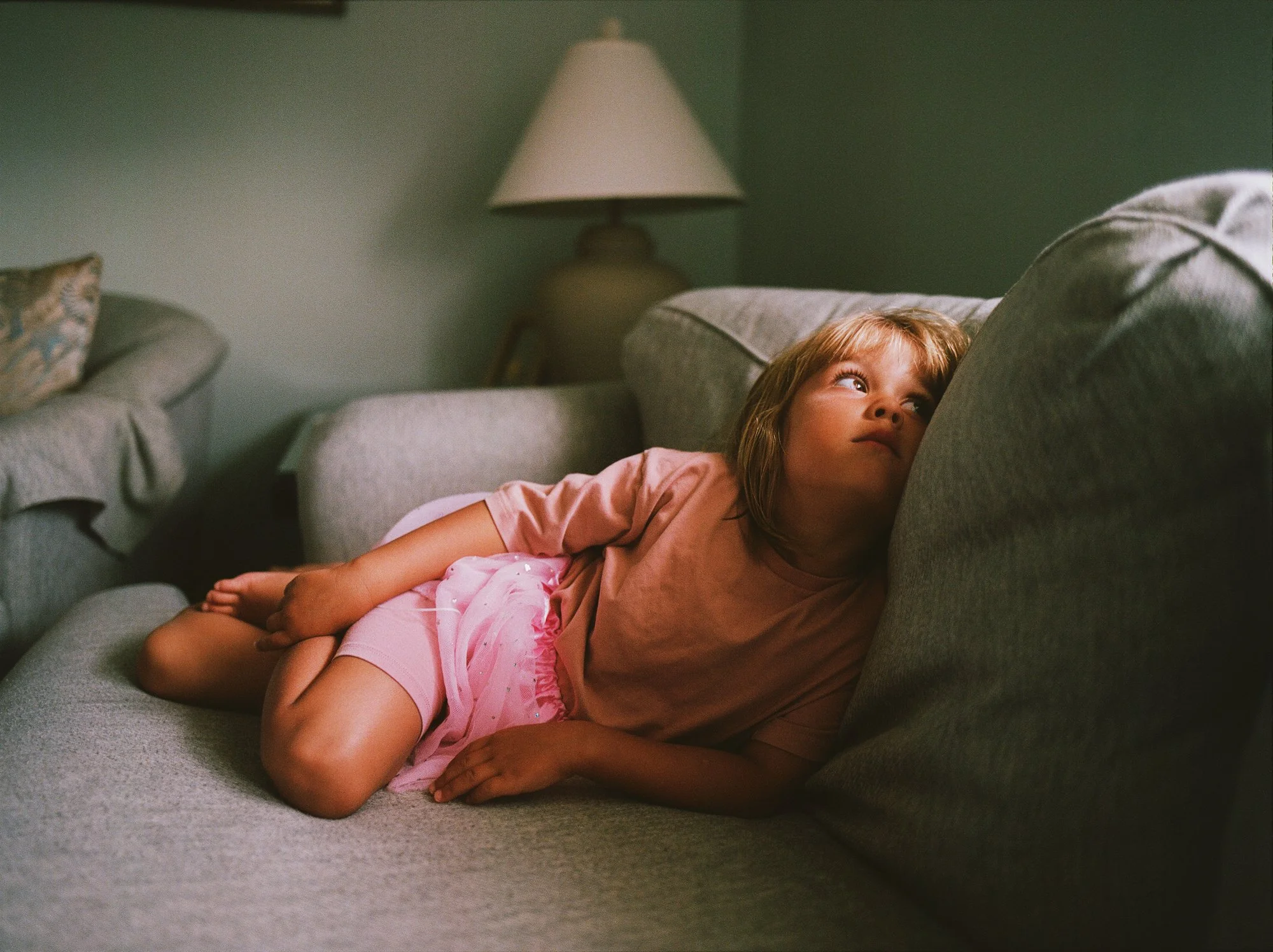
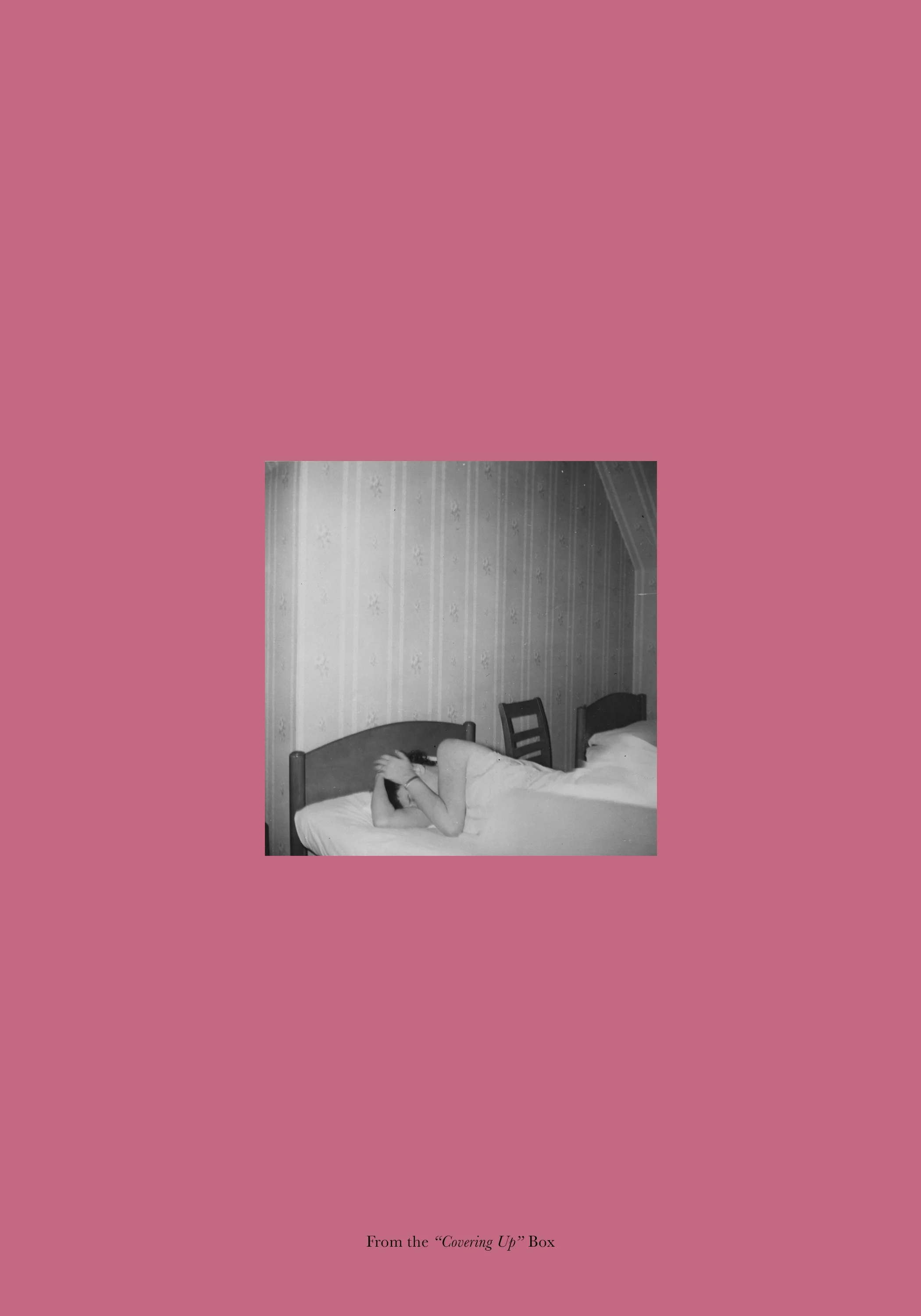
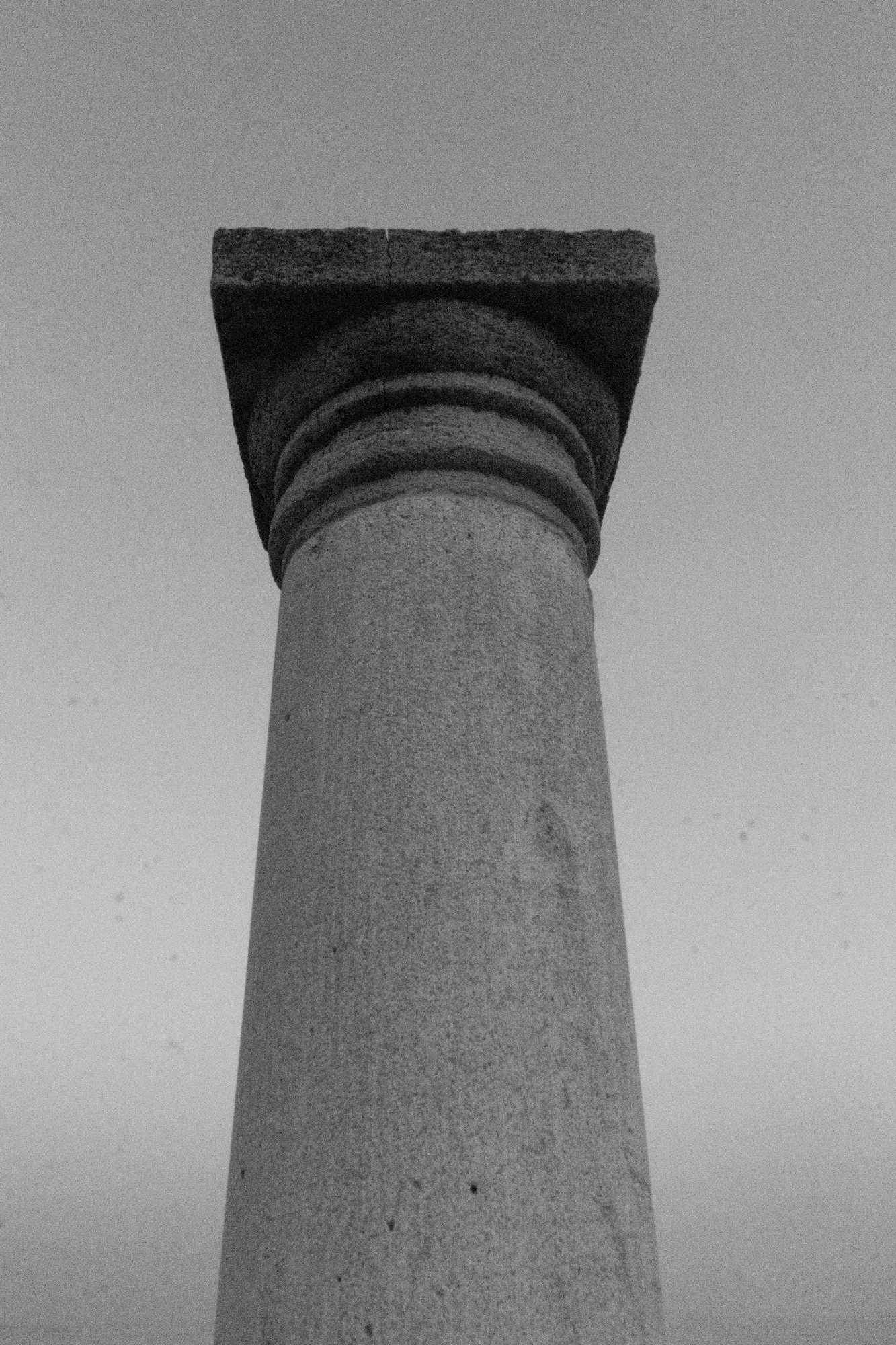
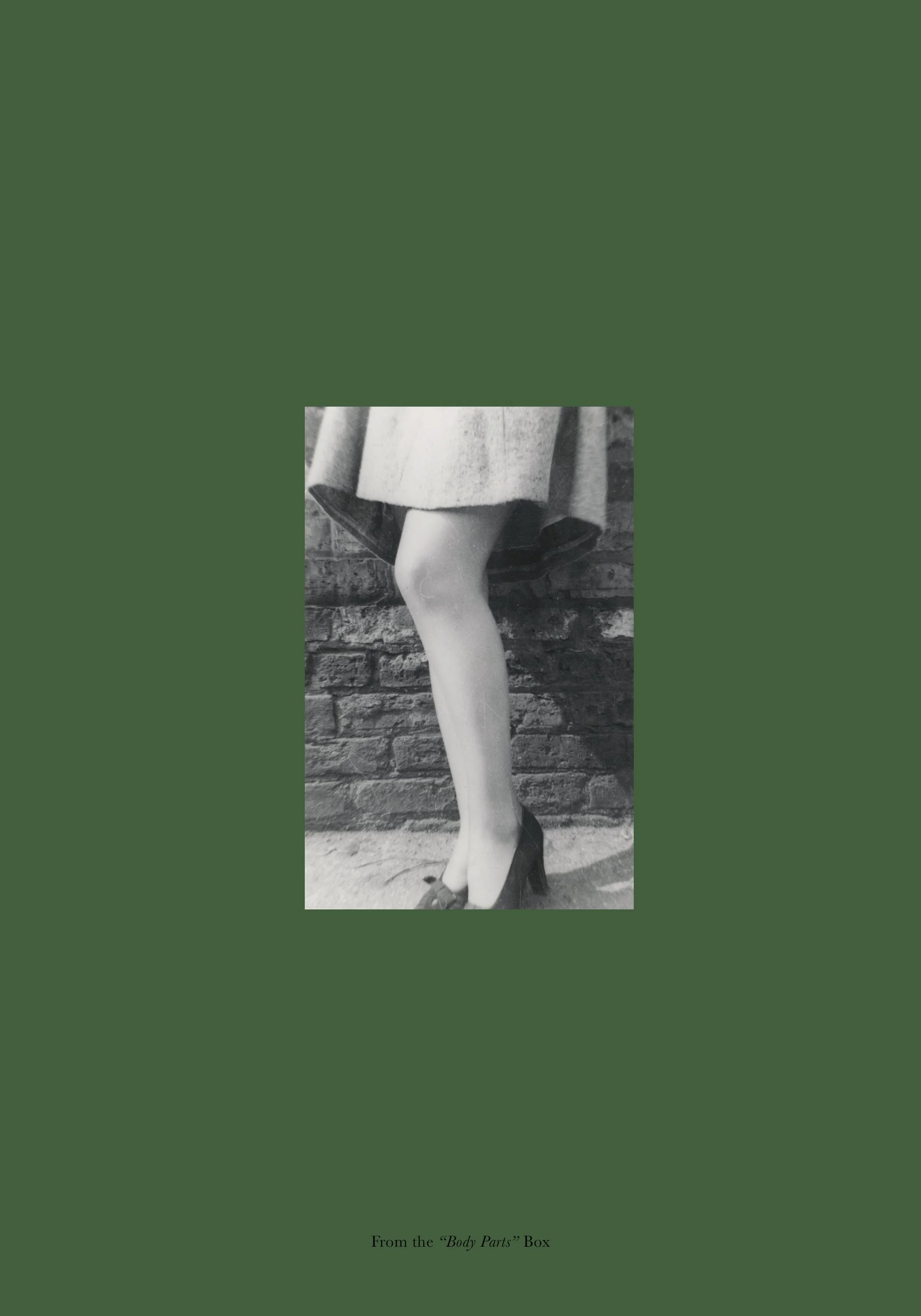
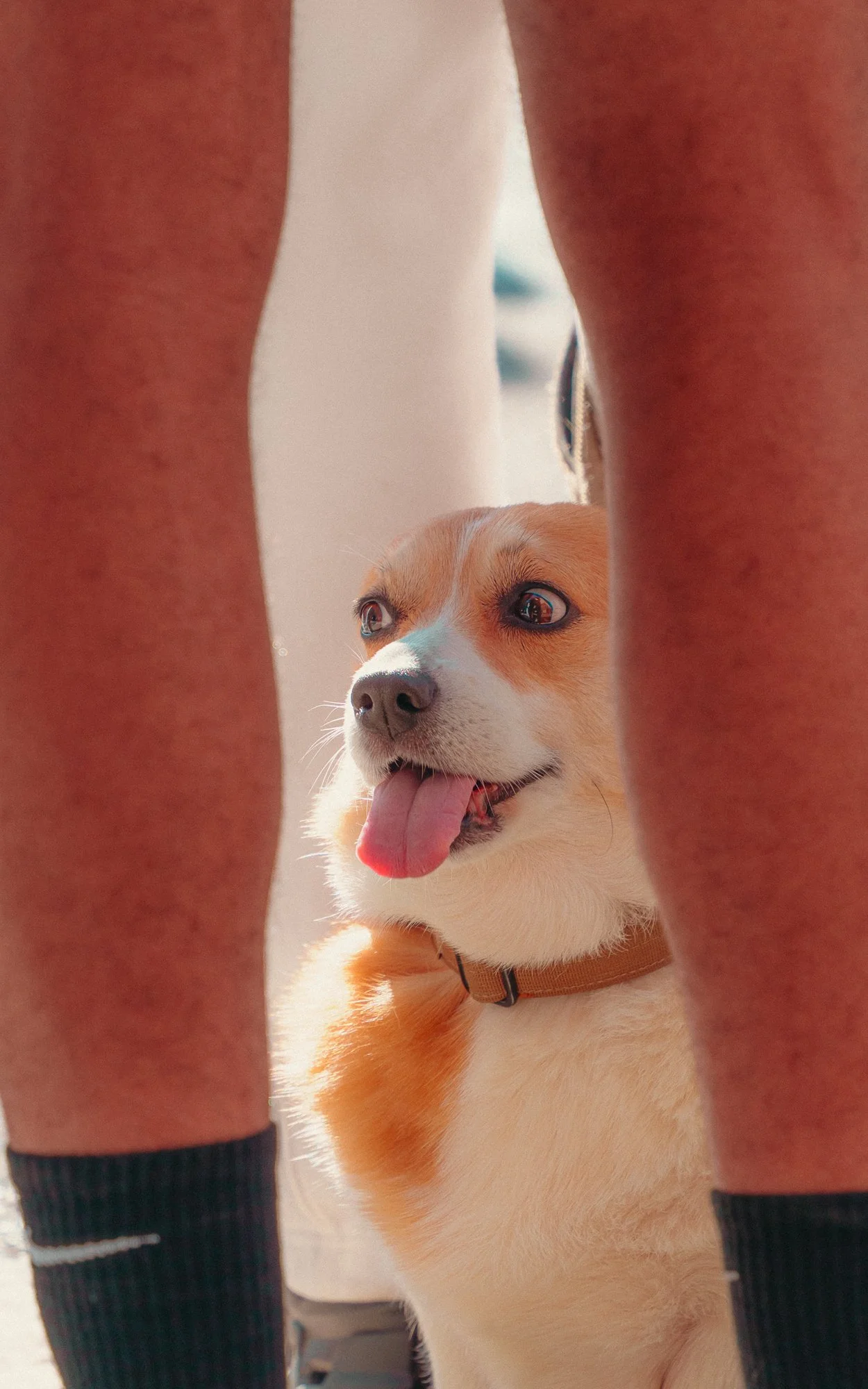
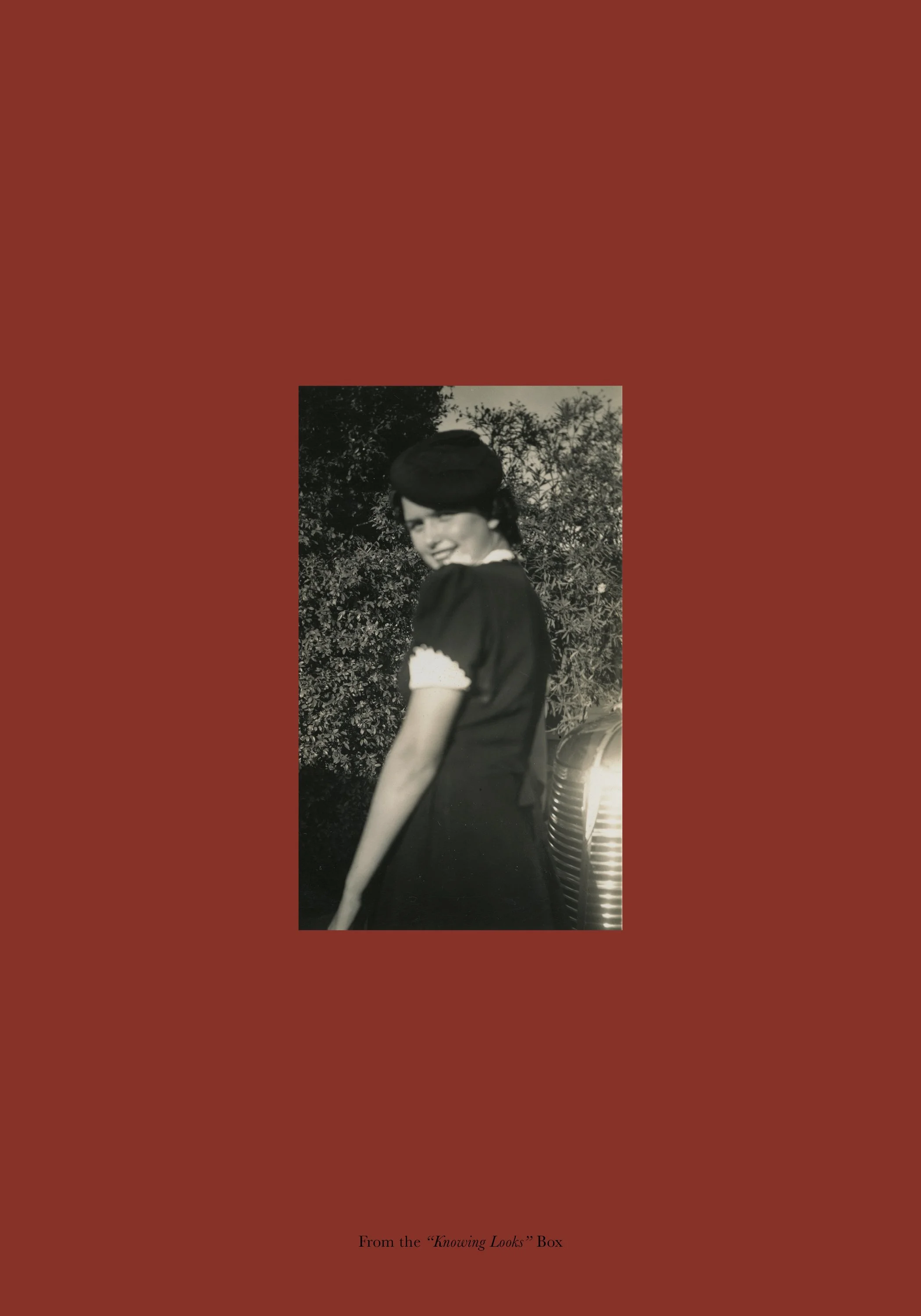
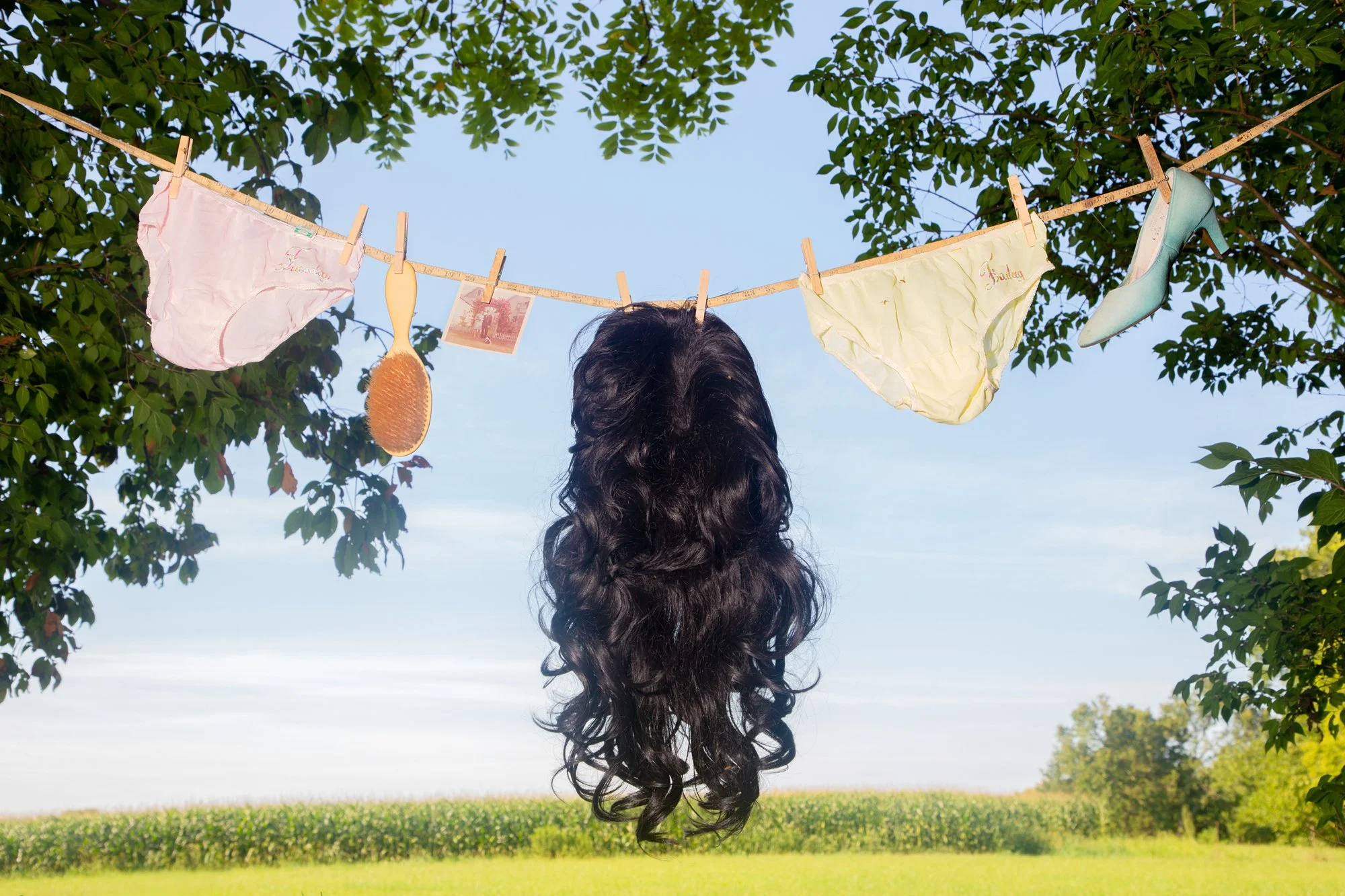
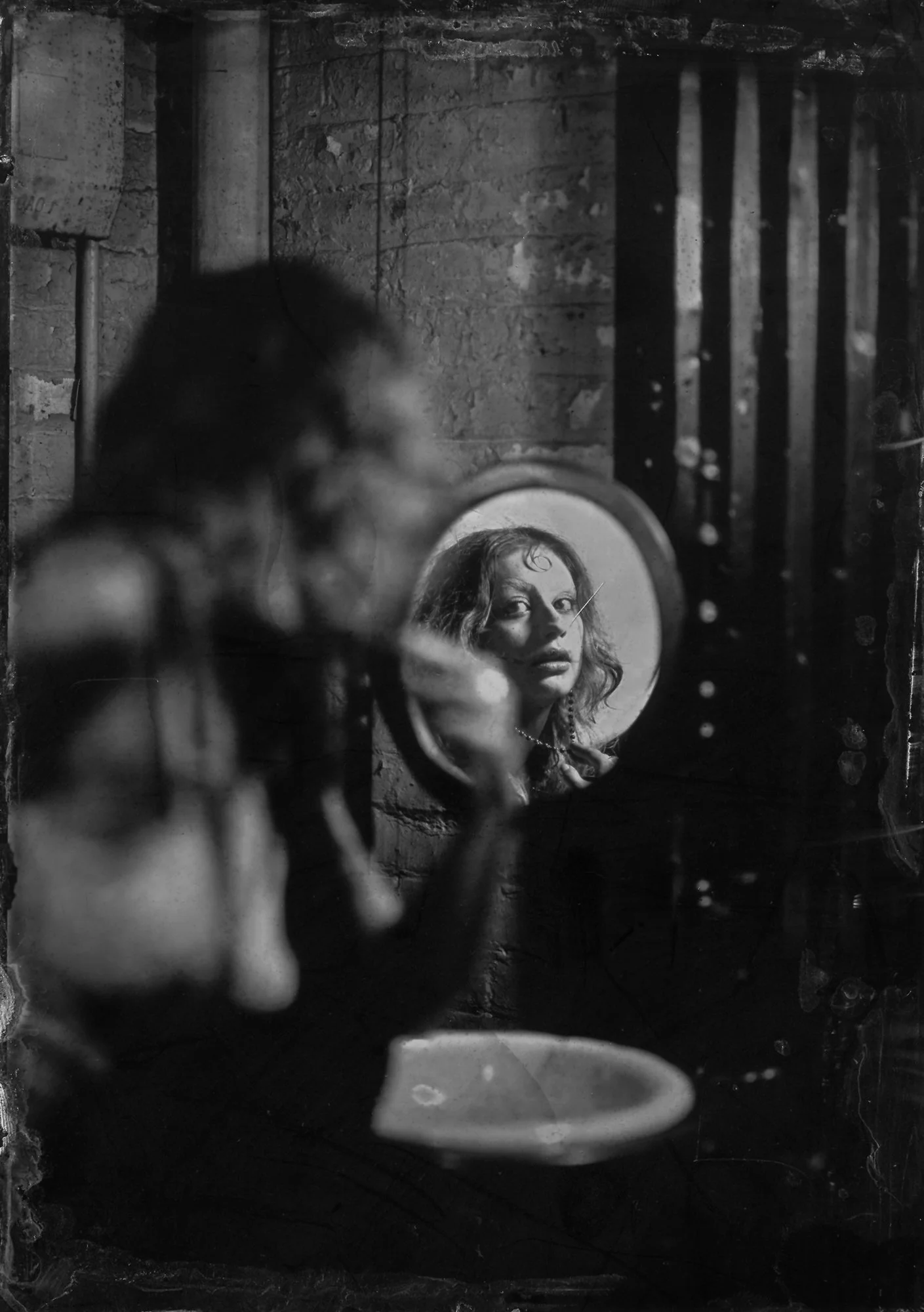
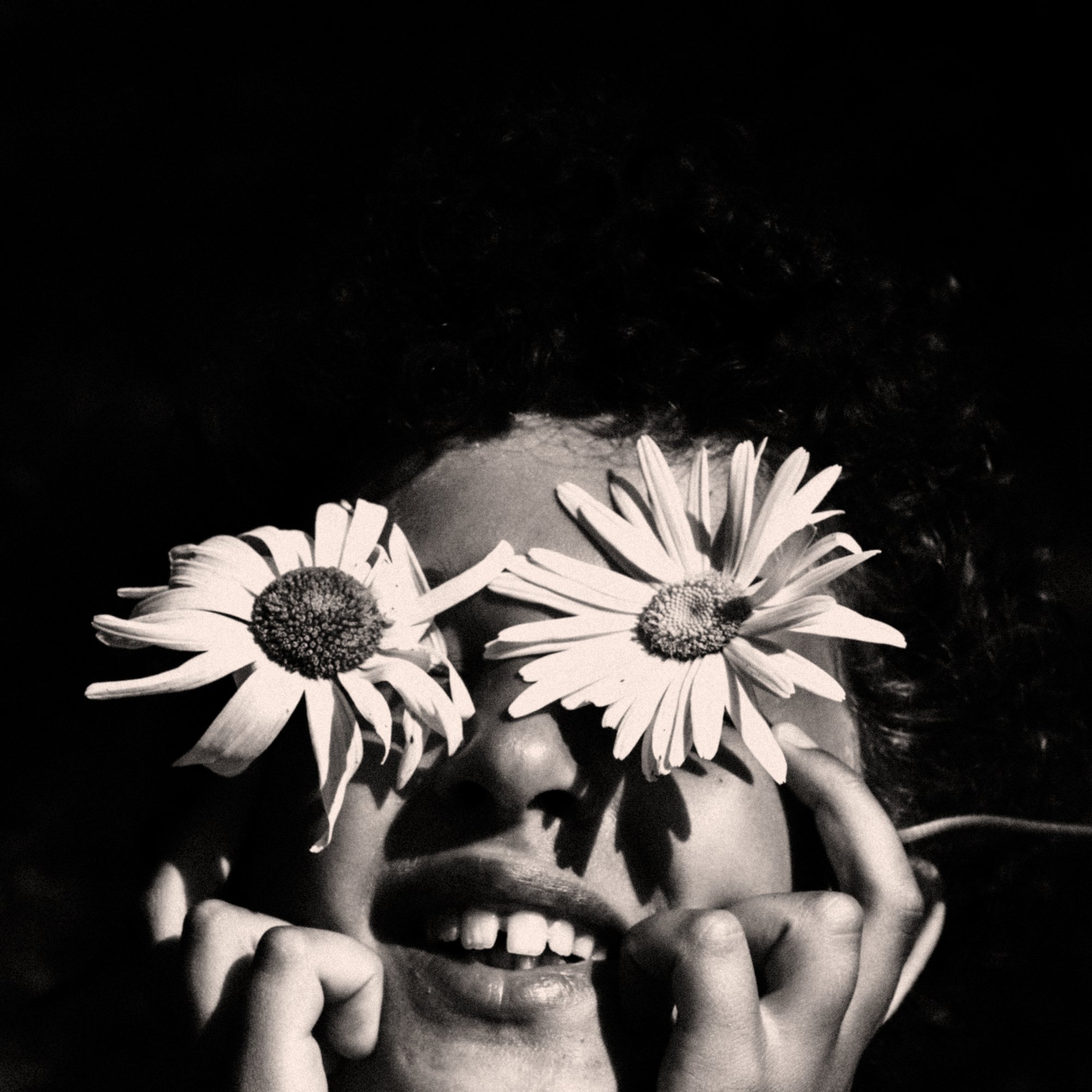
Selected Artists /Abhiruk Lahiri, Lana Askar, Alec Kaus, Alexandra Riba, Alex Zaf, Alfonso Bricegno, Amanda Boe, Amy Marie Fleming, Angela Ferrotti, Anna Georgiou, Ashley Kouri, Bärbel Reinhard, Bill O'Donnell, Brian James Kirk, Carlotta Guerra, Carly Ries, Chloe Ronco, Chris Bentley, Christiaan Lopez-Miro, Christina Hudson, D. M. Terblanche, Danielle Koenig, David Johnson, Dillon Bryant, Dominika Muszyńska, Elizabeth Calderone, Emma Kisiel, Emmaline Carter, Eva Vei, Fatemeh Fani, Fred Cigno, Galia Rogner, Helen Jones, Iciar Vega de Seoane, Jacob Herrera Wachal, Jenny Rafalson, Jesse Egner, Jillian Guyette, Jo Ann Chaus, Joan Benney, Jonė Reed, Kaitlyn Garcia, Keilicia Parker, Kody Zenger, Kristen Joy Emack, Kumi Oguro, Kyle Makrauer, Kyle Everett Smith, Lisa Guerriero, Lukasz Spychala, Madelyn Lohman, Marc Verbeek, Michael Joseph, Mikael Buck, Nazli Erbes, Nika McKagen, Lulu Hamilton, Olivier Lavenac, Perri Sage Lancaster, Peter Nicholson, Puppy Tsai, Quincey Spagnoletti, Rachel Feinstein, Rachel Jump, Rick Wright, Stephanie Schwiederek, Tony Kunz, Trevor Munch, Ullic Morard, Vanessa Hellmann, Vann Thomas Powell, William Joe Josephs Radford.

For over 20 years, Peter J. Cohen has donated over 80,000 photographs to photography collections both in the US and abroad. He continues to donate photographs every year to public institutions.
Interested parties should contact The Collection of Peter J. Cohen
www.pjcohencollection.com