

Tabitha Barnard
Tabitha Barnard
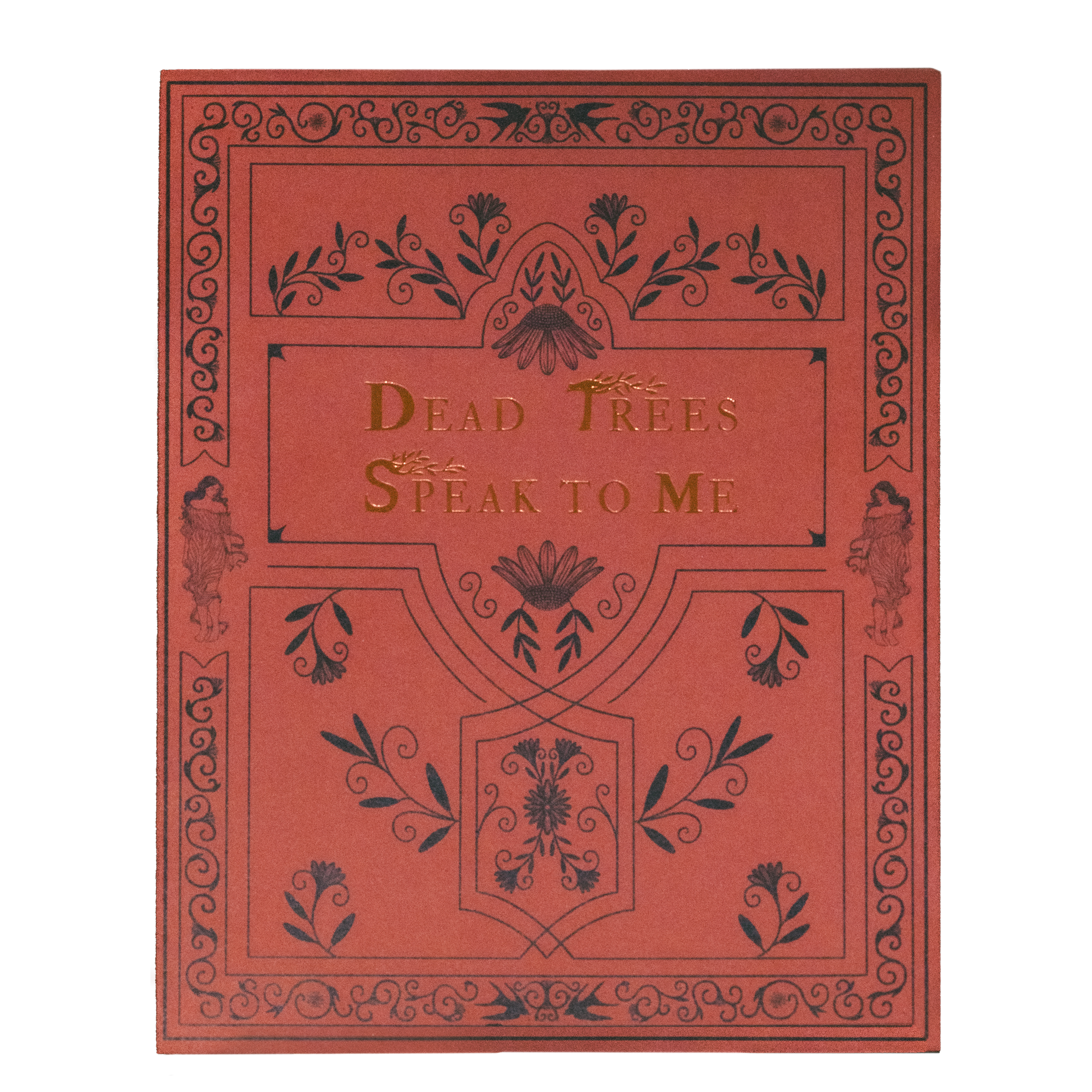
Dead Trees Speak To Me
Soft Cover
2024
Edition of 100
Swiss Binding
wych elm
About the Book:
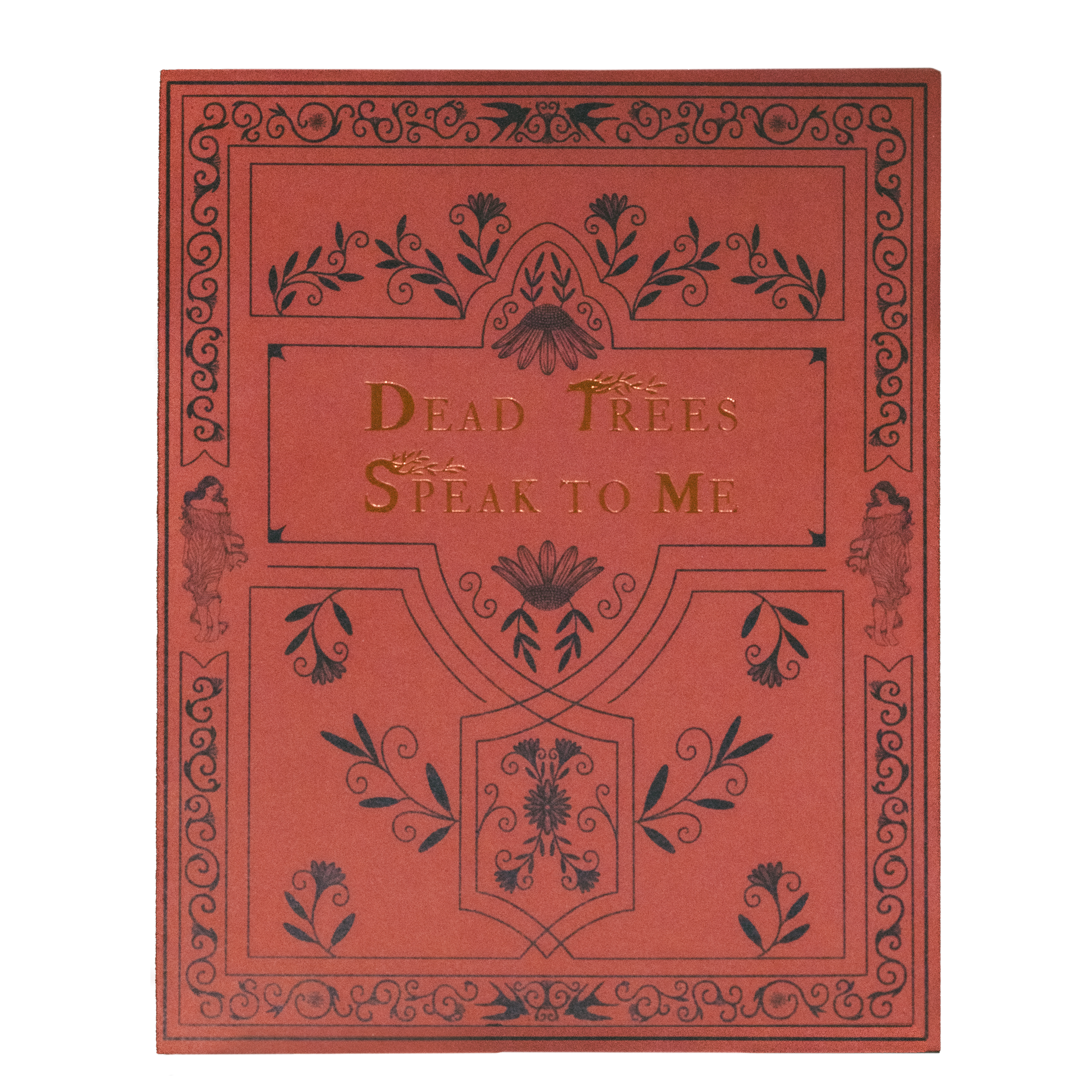
Dead Trees Speak to Me is a culmination of photographs spanning ten years. Tabitha was raised oldest of four sisters in a close-knit Maine family. Through theatrical and fantastical image-making she explores the self-created mythos of her siblings, whose childhood was steeped in fairy and folk tales. Set against the backdrop of rural New England, their own rituals and legends took shape as children, exploring the woods behind their home and swimming in quarries. Fort Baldwin was transformed into Rapunzel’s tower; an abandoned fishing shack–a witch’s hut. As adults, they revisit these locations from childhood to experience the same magic. This collection of images weaves a narrative of sisterhood, isolation, blood, and desire.
“In our childhood, my sisters and I loved folk and fairy tales. Our favorite ones were the ones that scared us. The ones that made the woods behind our home feel dangerous and exciting. Salem’s favorite was Baba Yaga—a witch whose house sat on chicken legs. Mine was Bluebeard, while Claudia and Grace preferred Heckety Peg.
In the forests of New England, we created our rituals, our mythos– ones completely insular to our quartet. Whether they were real or imagined didn’t matter. Folktales warned girls not to stray from the path, or obey their husbands. But in ours, we found freedom and power. My sisters became characters, never confined to just one role.
Tabitha Barnard & wych elm, “Dead Trees Speak to Me”
Book review by Stefan Andreas Sture |
Dead Trees Speak to Me is a title that speaks to me. I have always had an affinity for trees, and I have always loved to roam the forests around where I grew up. My childhood was among trees and in forests, I have always felt sylvian. In Tabitha Barnard’s photobook, we meet her and her three younger sisters using the woods around their home, paired with fairy tales and child’s play to explore identity, borders and what it means to grow up. So, we share some common ground, so to speak, a somewhat mythological part of our years growing up was spent among trees.
But then again, we are very different. I’m older, a man, live in Norway and have no siblings. And, maybe even more significantly, I have not grown up in a Christian family. It makes me wonder if it adds to the mystery of these photos of adult sisters visiting their childhood, or if the mystery is inherent in the photos. One of the first photos is of a bare foot in the grass next to a small, black snake. It is scary and foreboding, but also of course a nod to Eve. The paradise is about to be lost. Next up is a close up of a woman’s face, peeling off a thin layer of skin with her fingers. Shedding skin, much like snakes do. The mystery and the familiar are both present for the viewer.
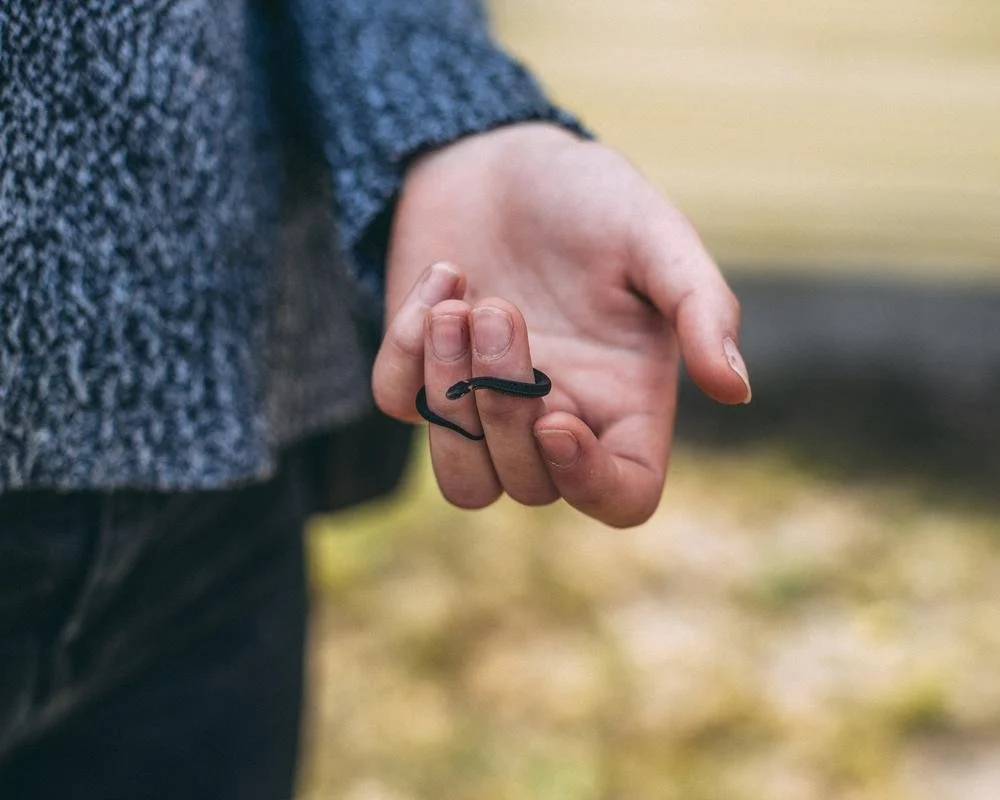
Image by Tabitha Barnard
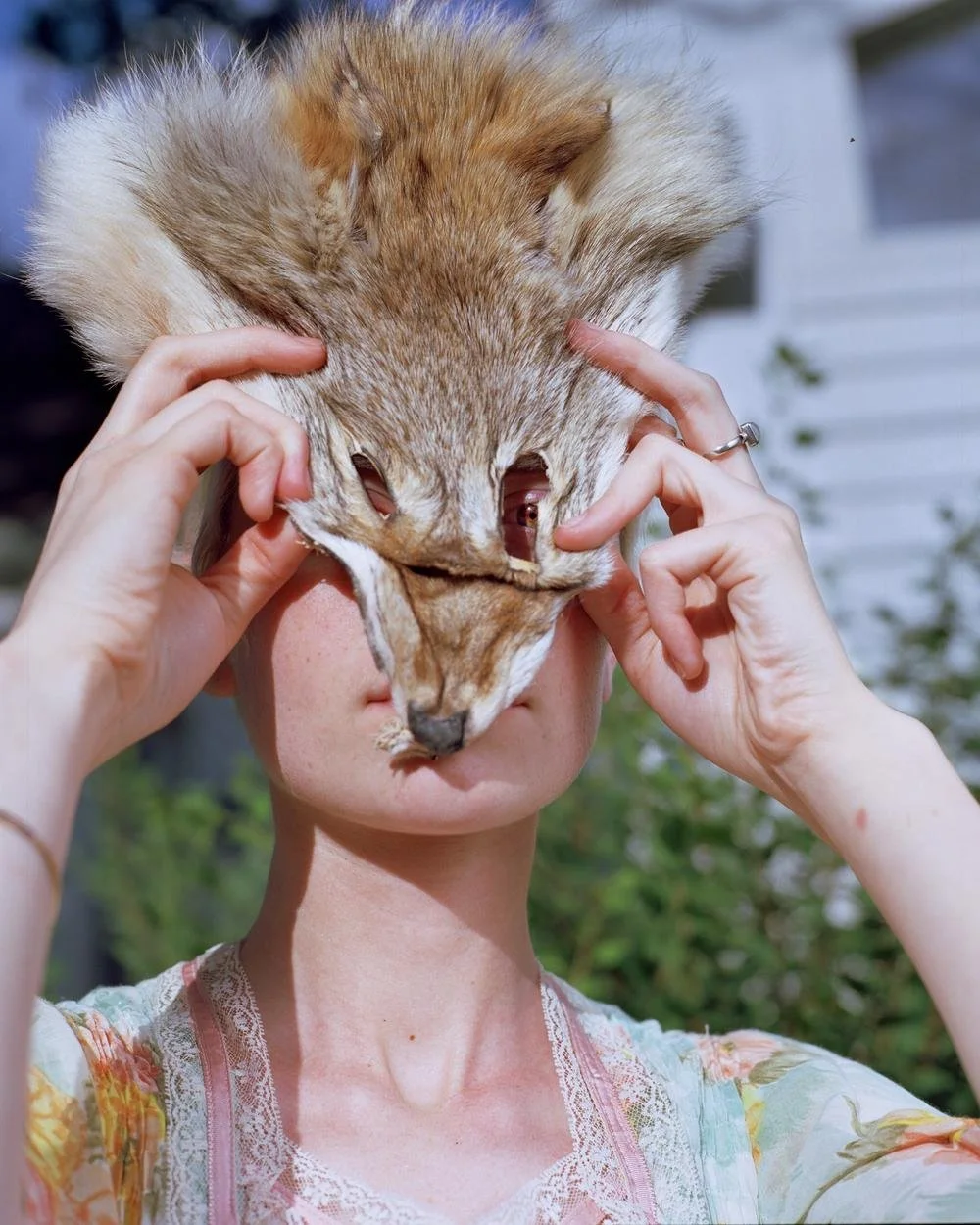
Image by Tabitha Barnard
Vulnerability, transition, childhood, womanhood, religion and mystery float through this book, as does water. Childhood’s woods and quarries transformed into sites of myths, with strong, colorful photographs. For that is what this first and foremost is, strong photography. Very strong, and colorful. The light, colors and poses add to the mystery. They show us glimpses of a world that is vaguely familiar. We all have a childhood, and childhood was another country. Seldom can we visit, and when we do, we no longer fit in.

Tabitha Barnard & wych elm, “Dead Trees Speak to Me”
Dead Trees Speak to Me invites us in, the photos are welcoming, but we need to bring our own lives and experiences to them, and when we do they give back. Tabitha Barnard’s photos look staged and posed; they are premeditated and planned. But still, they seem very real, and the emotions they depict are raw and real. This book invites the viewer to reflect on their own childhood and transition into adulthood. And I guess that it inspires many more than me, to want refamiliarize with their own sites of myths and the back forests, both real and metaphorical, of their childhood.
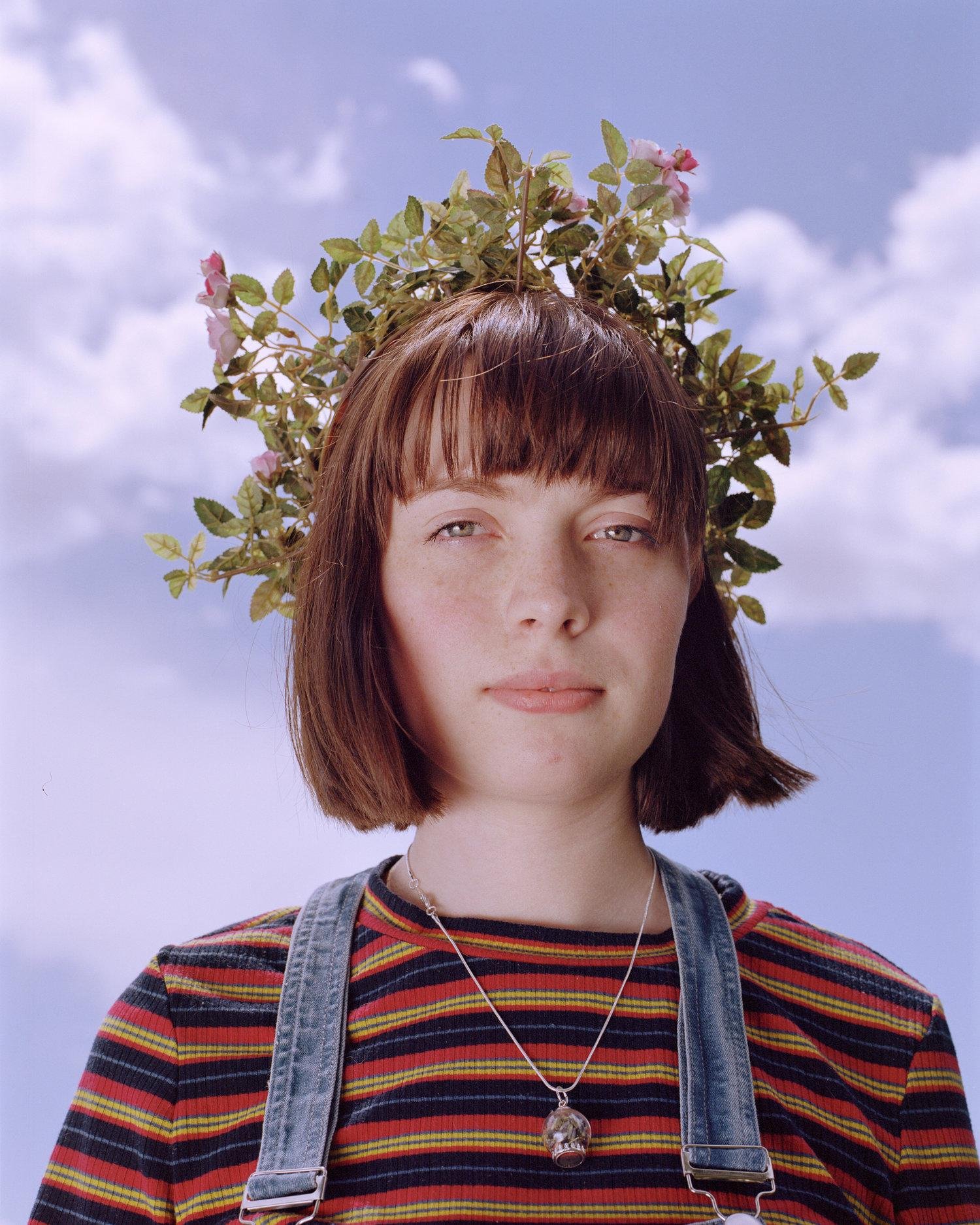
Image by Tabitha Barnard